Ukraine’s Starlink Crisis Deepens as US Envoys Arrive in Moscow for Putin Talks
 ΧΡΟΝΟΣ ΑΝΑΓΝΩΣΗΣ 12 '
Πηγή Φωτογραφίας: AP Photo//Ukraine's Starlink Crisis Deepens as US Envoys Arrive in Moscow for Putin Talks



Ukraine is facing renewed uncertainty over its access to critical American satellite technology just as Washington intensifies diplomatic efforts to negotiate an end to the war with Russia.
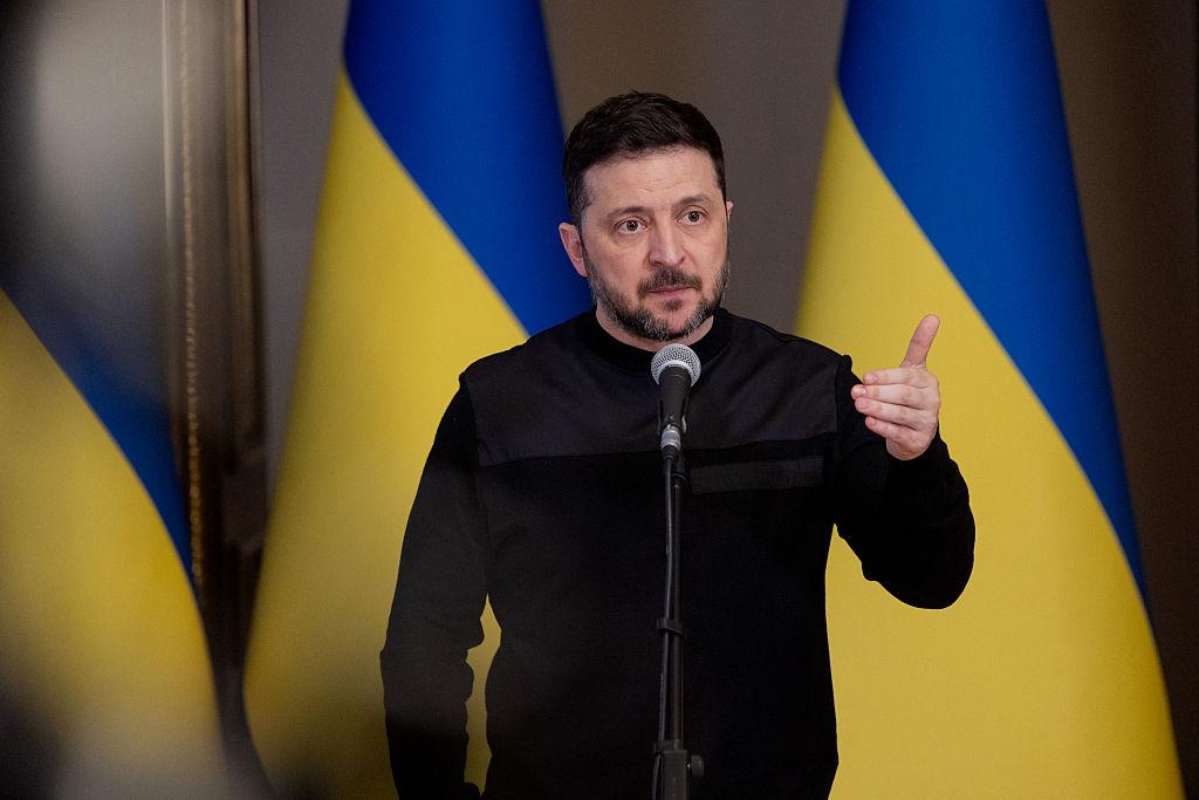
President Volodymyr Zelensky said on Thursday, November 12, that Ukrainian forces were once again experiencing restrictions affecting Starshield, the military satellite communications service developed by Elon Musk’s SpaceX.
According to the Ukrainian leadership, the limitations are complicating certain drone operations and weakening the country’s ability to counter Russian aerial attacks.
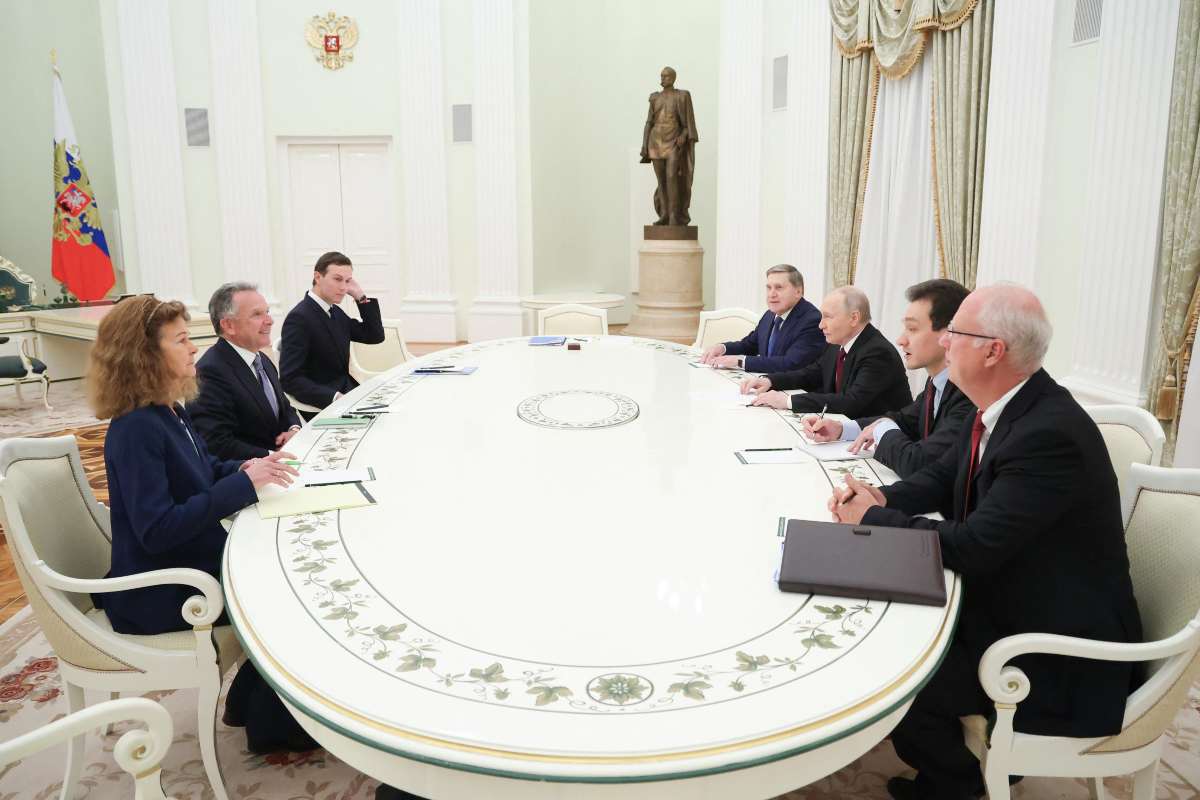
The development comes as US presidential envoys Steve Witkoff and Jared Kushner arrive in Moscow for talks with Russian President Vladimir Putin, following negotiations in Abu Dhabi earlier this week.
The coincidence has prompted concerns in Kyiv that access to critical military technology could become entangled with diplomatic pressure to accept a peace settlement.
There is, however, no established evidence that the reported Starshield restrictions were imposed to influence the negotiations.
The episode nevertheless highlights a fundamental vulnerability for Ukraine: its dependence on American technology at a moment when Washington is simultaneously its most important military partner and a central intermediary in negotiations with Moscow.
Zelensky Reports Renewed Restrictions on Military Satellite Services
According to the Financial Times, Zelensky said Ukrainian military commanders had reported recurring speed restrictions affecting Starshield over several days.
The limitations reportedly involve a threshold of approximately 100 miles per hour, equivalent to 161 kilometres per hour, potentially affecting satellite connectivity on fast-moving platforms.
Zelensky argued that the restrictions were not isolated technical failures but a recurring operational problem.
Ukrainian officials say the limitations are particularly disruptive to efforts to intercept Russian jet-powered drones.
These systems can travel considerably faster than conventional propeller-driven unmanned aircraft, placing additional demands on Ukrainian interception capabilities.
Reliable communications are essential for coordinating defensive operations, transmitting information and operating certain unmanned systems.
The Ukrainian presidency has reportedly sought clarification from Washington about why the restrictions have reappeared.
For Kyiv, the issue is not simply one of technological performance. It concerns the predictability of a military communications system on which important battlefield capabilities depend.
Starshield and the Question of American Control
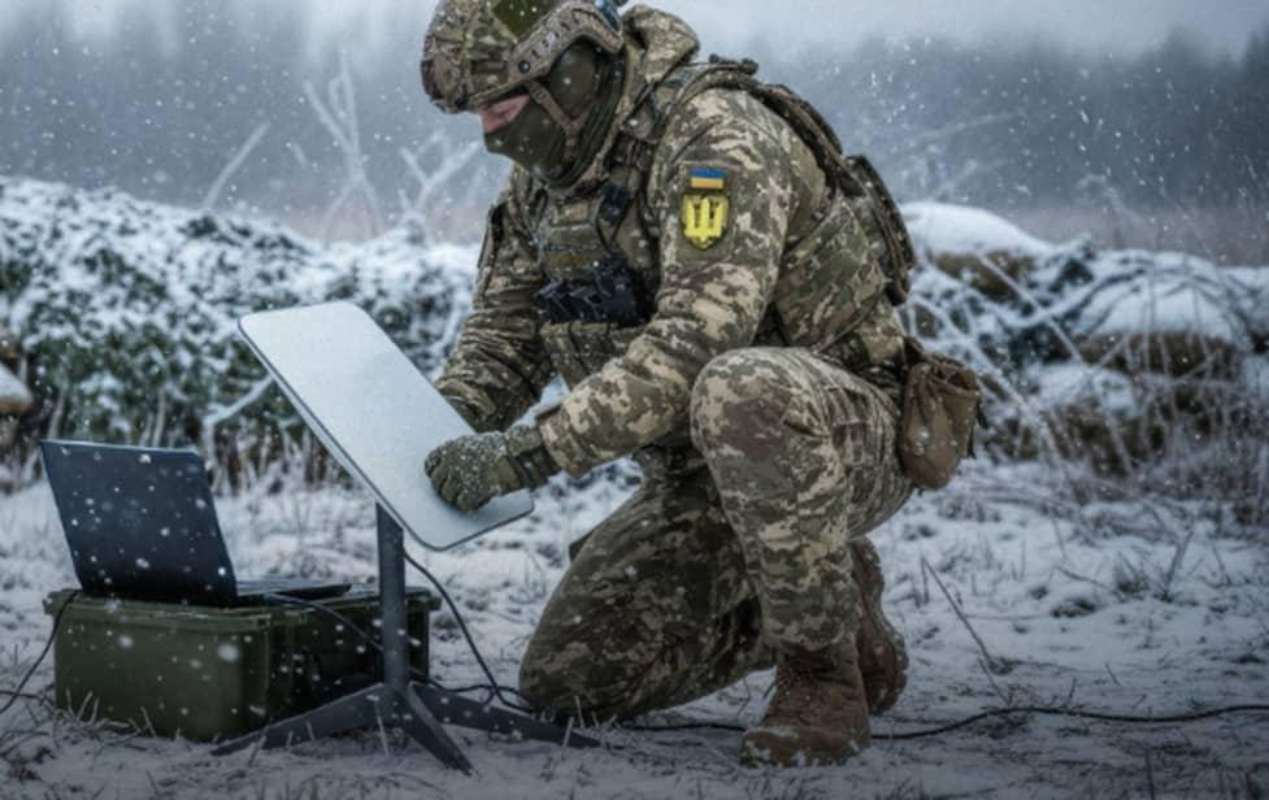
Starshield is SpaceX’s government-focused satellite service, developed using technology associated with its wider Starlink network.
While Starlink provides connectivity to civilian and commercial users, Starshield is designed for government and national security applications.
Satellite communications have become indispensable to Ukraine since Russia launched its full-scale invasion in February 2022.
They have supported military communications, battlefield coordination and the operation of certain unmanned systems.
The latest controversy has renewed debate over who ultimately determines the operational parameters of services supplied by a private American company but used in military operations.
Similar restrictions were reportedly observed in October before connectivity was partially restored.
Elon Musk has previously indicated that decisions involving military Starshield restrictions fall under the authority of the US government.
However, public explanations about responsibility for particular technical limitations have not always been consistent.
Neither the precise reason for the latest restrictions nor the authority responsible for implementing them has been conclusively established in the reporting available.
The uncertainty is significant because it exposes the strategic consequences of relying on infrastructure that remains subject to decisions outside Ukraine’s direct control.
Witkoff and Kushner in Moscow: A Critical Diplomatic Moment
While Kyiv seeks answers over satellite connectivity, the Trump administration is pursuing another round of high-level diplomacy with Russia.
Steve Witkoff and Jared Kushner travelled to Moscow on November 12 for discussions with Vladimir Putin following talks in Abu Dhabi on November 10 and 11.
The negotiations in the United Arab Emirates brought together representatives involved in efforts to find a diplomatic settlement to the conflict.
Although the discussions did not produce a comprehensive breakthrough, the parties reportedly made progress towards another exchange of prisoners of war.
The central disagreements remain unresolved.
Russia continues to demand territorial concessions, while Ukraine insists that any settlement must protect its sovereignty and provide credible guarantees against future aggression.
Security guarantees, territorial control and the future relationship between Ukraine and NATO remain among the most difficult issues.
Washington’s diplomatic strategy faces the challenge of finding terms acceptable to both sides without creating an agreement that proves impossible to sustain.
For Ukraine, the negotiations also raise concerns about whether military assistance and diplomatic concessions could become interconnected.
No confirmed agreement has been announced linking satellite access to Ukraine’s negotiating position.
Moscow Wants More Than a Settlement in Ukraine
The Russian leadership is seeking to place broader European security arrangements at the centre of the negotiations.
Moscow has repeatedly argued that the conflict cannot be resolved without addressing its objections to NATO’s role in Europe.
Russian officials have proposed discussions about a new continental security framework, potentially extending beyond Ukraine itself.
Such an approach would transform negotiations over the war into a much wider debate about the balance of power between Russia and Western countries.
References by Russian representatives to the post-Second World War settlements at Yalta and Potsdam have attracted particular attention.
Those historical agreements helped shape the political and strategic order of post-war Europe.
For many European governments, the prospect of negotiating a new security order with Moscow raises concerns about whether Russia could gain influence over decisions involving the sovereignty and alliance choices of neighbouring states.
Ukraine and its European supporters maintain that countries must retain the right to determine their own security arrangements.
Russia, by contrast, continues to insist that its security demands must form part of any lasting settlement.
These competing positions remain a fundamental obstacle to agreement.
Europe’s Fear: A Peace Deal Negotiated Without Europe
The renewed US-Russia talks have intensified concerns among European governments about their influence over the diplomatic process.
European countries have provided substantial military, financial and humanitarian support to Ukraine.
They would also be expected to play a major role in implementing any future security guarantees and supporting reconstruction.
Yet their participation in negotiations has remained uncertain.
According to the Financial Times, European diplomats are concerned that obtaining a seat at the negotiating table could come at the price of accepting broader discussions about Europe’s security architecture.
Such a development could place questions about NATO, regional defence and national sovereignty within a negotiating framework shaped primarily by Washington and Moscow.
Estonian Prime Minister Kristen Michal has warned against allowing Russia to gain a determining role in European security decisions.
The concern is particularly acute among countries on NATO’s eastern flank, which view Russia’s demands through the experience of decades of Soviet domination and more recent regional security tensions.
For these governments, a sustainable peace in Ukraine must not establish a precedent allowing Moscow to dictate the security choices of neighbouring states.
Washington and Moscow Disagree Over European Participation
US officials have indicated that European representatives should be involved in subsequent stages of the peace process.
Kushner has reportedly encouraged European governments to identify a representative who could participate in future discussions.
Moscow has taken a different position.
Russian Deputy Foreign Minister Sergei Ryabkov has argued that bringing European governments directly into the negotiations could complicate the existing diplomatic effort.
The disagreement illustrates a wider strategic tension.
Europe may be expected to help guarantee and finance a peace settlement, but it does not yet have an assured role in determining its terms.
That imbalance is becoming an increasingly important issue for European leaders.
Any agreement affecting the continent’s long-term security would be difficult to implement without the participation of the governments expected to support it.
Russian Attacks Continue as Diplomacy Accelerates
The renewed diplomatic activity has not brought an end to the fighting.
Ukrainian authorities reported further Russian missile and drone attacks on Kyiv overnight.
Kyiv Mayor Vitali Klitschko said residential buildings had been struck, with initial reports indicating at least one death and several injuries.
The attacks underscore the gap between negotiations taking place in diplomatic capitals and conditions on the battlefield.
Ukraine continues to face daily threats to its infrastructure, cities and civilian population.
Russia, meanwhile, maintains military pressure as it seeks concessions in negotiations.
The continuing strikes complicate efforts to build confidence between the parties and reinforce Kyiv’s insistence that any ceasefire must be supported by credible security guarantees.
For Zelensky, the challenge is to pursue diplomatic progress without weakening Ukraine’s ability to defend itself.
Why the Starshield Dispute Matters Beyond Ukraine
The reported restrictions have implications extending well beyond the immediate battlefield.
They highlight the growing importance of commercial satellite infrastructure in modern warfare.
Private technology companies now provide services that can become essential to national defence, military communications and intelligence operations.
This creates complex questions about accountability, operational control and the relationship between corporate decisions and government policy.
European governments are increasingly examining how to reduce strategic dependencies in areas such as satellite communications, cloud infrastructure, artificial intelligence and advanced defence technology.
Ukraine’s experience demonstrates the potential consequences when critical capabilities depend on systems operated beyond national jurisdiction.
It also raises questions about how governments should structure contracts, oversight arrangements and contingency plans for privately supplied military technologies.
These issues are likely to become more prominent as European countries increase defence spending and seek greater technological autonomy.
Zelensky’s Double Challenge: Battlefield Defence and Diplomatic Pressure
The renewed Starshield controversy places Ukraine in a particularly difficult position.
Kyiv depends on American technology and military support while also relying on Washington to help negotiate an end to the war.
The timing of the reported restrictions, coinciding with the arrival of US envoys in Moscow, has naturally attracted political attention.
But timing alone does not establish intent.
There is no verified evidence that the United States deliberately restricted Starshield to force Ukraine into territorial concessions or other compromises.
The immediate questions concern the technical nature of the restrictions, who authorised them and whether they can be resolved.
The broader diplomatic questions are considerably more complex.
Ukraine must seek a settlement that ends the fighting without leaving the country exposed to renewed aggression.
European governments must determine how to protect their security interests while maintaining cooperation with Washington.
And the United States must balance its role as a diplomatic intermediary with its continuing influence over Ukraine’s military capabilities.
The central challenge is no longer simply whether Washington can bring Moscow and Kyiv closer to an agreement. It is whether any agreement can provide lasting security for Ukraine without undermining the sovereignty and strategic independence of European states.
As US envoys continue their diplomatic mission, the uncertainty surrounding Starshield offers a stark reminder that modern wars are fought not only with weapons and troops, but also through control over the technological systems on which military operations depend.
Source: pagenews.gr
Διαβάστε όλες τις τελευταίες Ειδήσεις από την Ελλάδα και τον Κόσμο