Iran Eyes $40 Billion Windfall from the Strait of Hormuz as Global Energy Power Struggle Enters a New Phase
 ΧΡΟΝΟΣ ΑΝΑΓΝΩΣΗΣ 6 '
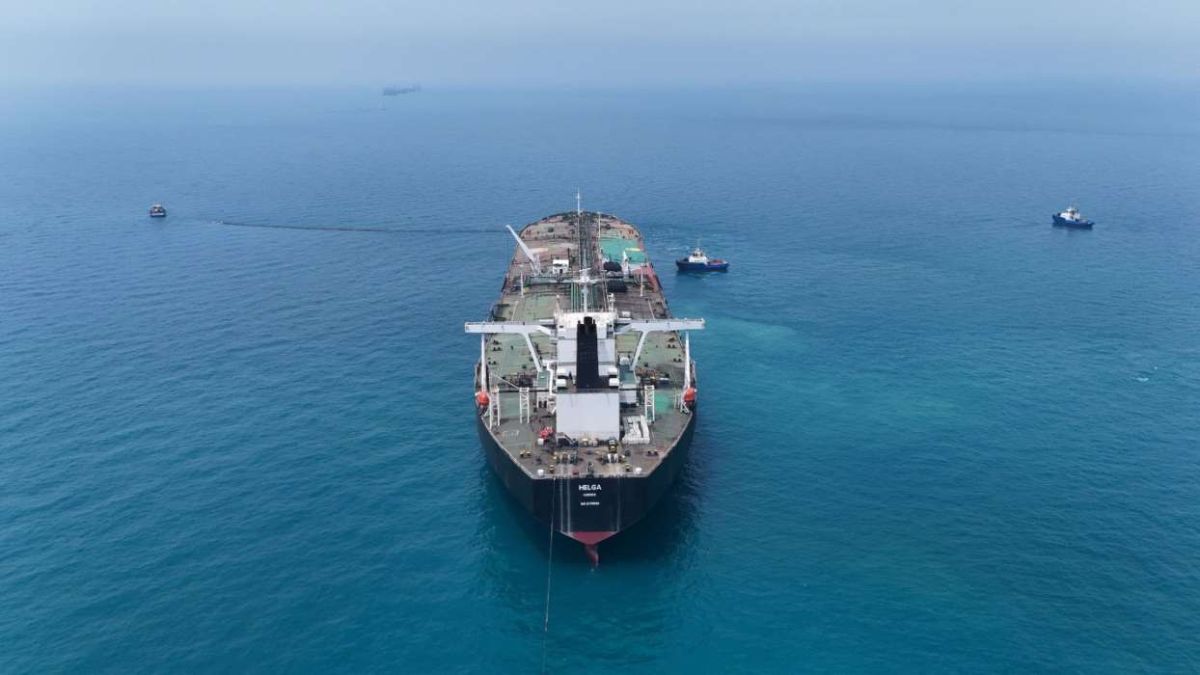



The next geopolitical battle in the Middle East is no longer being fought solely through military confrontation—it is increasingly centered on who will control the world’s most strategic energy chokepoint.
Following the temporary ceasefire between the United States and Iran, Tehran is attempting to convert its wartime leverage into long-term geopolitical and economic influence by proposing a new governance framework for the Strait of Hormuz, one of the world’s most critical maritime corridors.
According to The Wall Street Journal, Iranian officials estimate that fees related to maritime security, environmental protection and navigation services could generate as much as $40 billion annually for participating regional states.
The proposal has already been discussed with Oman, Gulf Arab states, China and other international stakeholders, opening a new chapter in the geopolitical competition over the future governance of global energy routes.
From Military Leverage to Geoeconomic Influence
Tehran’s ambitions extend well beyond collecting transit-related revenues.
Regional diplomats and security analysts argue that Iran’s broader objective is to secure a formal institutional role in the long-term management of the Strait of Hormuz, transforming the strategic influence it demonstrated during the recent conflict into permanent geopolitical capital.
Iranian Parliament Speaker Mohammad Bagher Ghalibaf made the country’s intentions unmistakably clear:“Everyone must understand that the management of the Strait will never return to its previous state.”
The statement reflects Tehran’s determination to redefine Hormuz not simply as an international waterway but as a strategic asset over which Iran expects to exercise greater influence.
The Turkish Model Under Consideration
Iran is reportedly studying several international maritime governance models, including Turkey’s administration of the Dardanelles under the 1936 Montreux Convention.
Under that framework, Turkey collects internationally recognized fees covering:
- lighthouse services,
- maritime safety,
- rescue operations,
- and health inspections.
Iranian officials believe a similar model could eventually be adapted for Hormuz.
However, international maritime law experts caution that the Turkish arrangement represents a unique legal exception rather than a universally applicable precedent.
Professor James Kraska, an expert in international maritime law at the U.S. Naval War College, argues that any comparable framework for Hormuz would require broad international agreement, potentially involving the International Maritime Organization (IMO) and numerous coastal and maritime nations.
Washington Rejects Any Form of Maritime Toll
The United States has firmly opposed any proposal involving transit fees or mandatory payments.
U.S. Secretary of State Marco Rubio warned that introducing tolls on international waterways would establish a dangerous global precedent.
“No country has the right to charge for the use of international maritime routes.”
President Donald Trump also reiterated that the current 60-day ceasefire agreement guarantees free passage through the Strait during the transition period.
Washington views unrestricted navigation as a fundamental principle of international commerce and maritime security.
Oman Emerges as the Critical Mediator
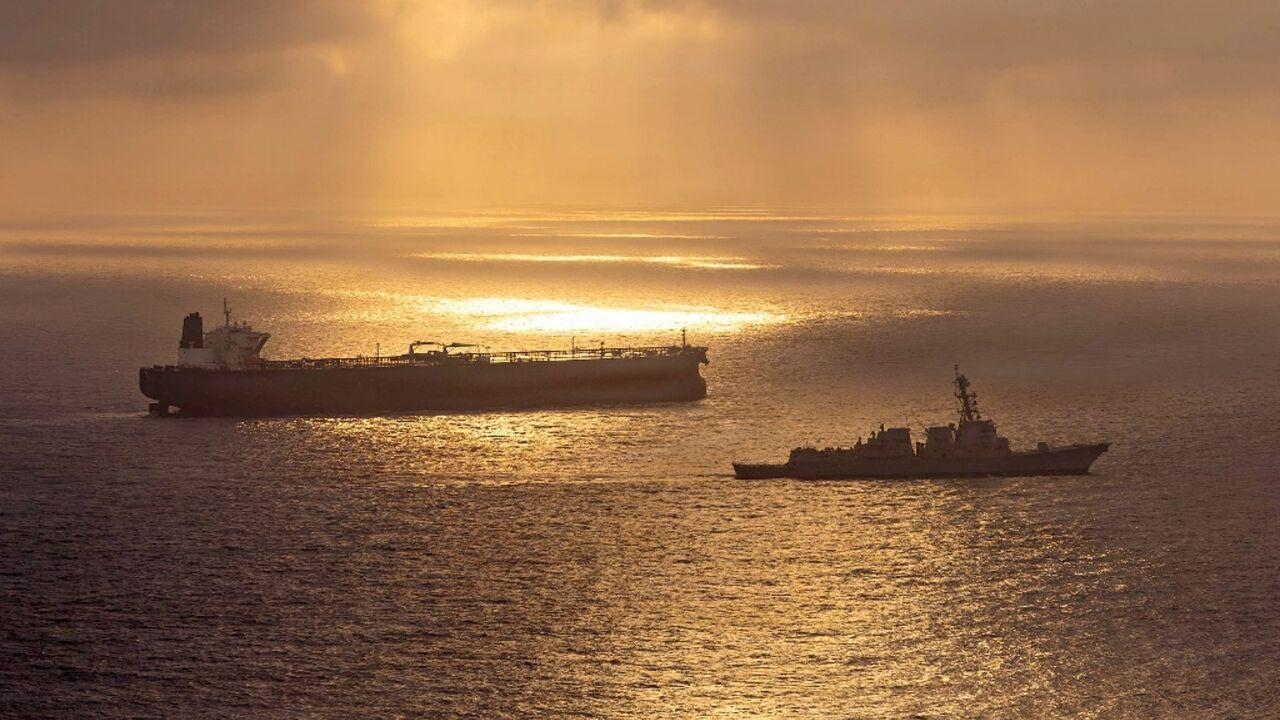
The Sultanate of Oman, which controls the southern side of the Strait, has become a pivotal diplomatic actor.
Muscat continues to insist that:
- freedom of navigation must remain fully protected;
- no transit tolls should be introduced;
- any future administrative arrangements must comply with international maritime law.
Oman has also announced a temporary toll-free maritime safety corridor, coordinated with the IMO, to facilitate the gradual restoration of commercial tanker traffic.
China’s Strategic Interest
China is carefully monitoring developments.
As the world’s largest importer of Gulf crude oil, Beijing has a direct strategic interest in maintaining uninterrupted energy flows through Hormuz.
According to regional sources, Iranian officials have already presented elements of their proposal to Chinese counterparts in an effort to secure political backing for a future governance arrangement.
For Beijing, the issue extends beyond energy security—it also concerns the protection of Belt and Road maritime supply chains.
Energy Markets Watch Closely
Although commercial shipping has begun recovering, market participants remain cautious.
Roughly 20% of global seaborne oil and LNG trade normally passes through the Strait of Hormuz, making any institutional change potentially significant for:
- global oil prices;
- shipping insurance premiums;
- tanker freight rates;
- European and Asian energy security.
War-risk insurance costs have eased in recent days, but many shipping companies continue to assess the evolving regulatory environment before fully restoring normal operations.
Political Intelligence: Iran Is Seeking More Than Revenue
The significance of Iran’s initiative extends far beyond the projected $40 billion in annual income.
Tehran is attempting to fundamentally redefine the governance of one of the world’s most strategically important maritime corridors.
Rather than relying solely on military deterrence, Iran is pursuing institutional influence over global energy logistics.
Should Tehran succeed in obtaining international recognition as a permanent stakeholder in Hormuz’s administration, it would substantially strengthen its geopolitical position without necessarily exercising full territorial control over the Strait.
For the United States and its Gulf allies, this represents a strategic challenge because it shifts part of the world’s energy governance toward a regional power that has long been viewed as a principal security rival.
Outlook
The coming weeks may determine whether Iran’s proposal evolves into a new regional governance framework or encounters coordinated resistance from Washington, Oman, Gulf Arab states and the broader international maritime community.
Regardless of the immediate outcome, one conclusion is already becoming clear:
The Strait of Hormuz is no longer simply the world’s most important oil transit corridor.
It is rapidly becoming a geopolitical arena where energy security, international maritime law, regional power politics and global economic stability increasingly intersect.
Sources: The Wall Street Journal (WSJ); International Maritime Organization (IMO); U.K. Maritime Trade Operations (UKMTO); U.S. Department of State; statements by Marco Rubio, Donald Trump and Mohammad Bagher Ghalibaf; analysis by Professor James Kraska (U.S. Naval War College).
Διαβάστε όλες τις τελευταίες Ειδήσεις από την Ελλάδα και τον Κόσμο