Pierrakakis in Luxembourg: Energy, Defense and Growth Dominate Eurogroup Agenda
 ΧΡΟΝΟΣ ΑΝΑΓΝΩΣΗΣ 4 '
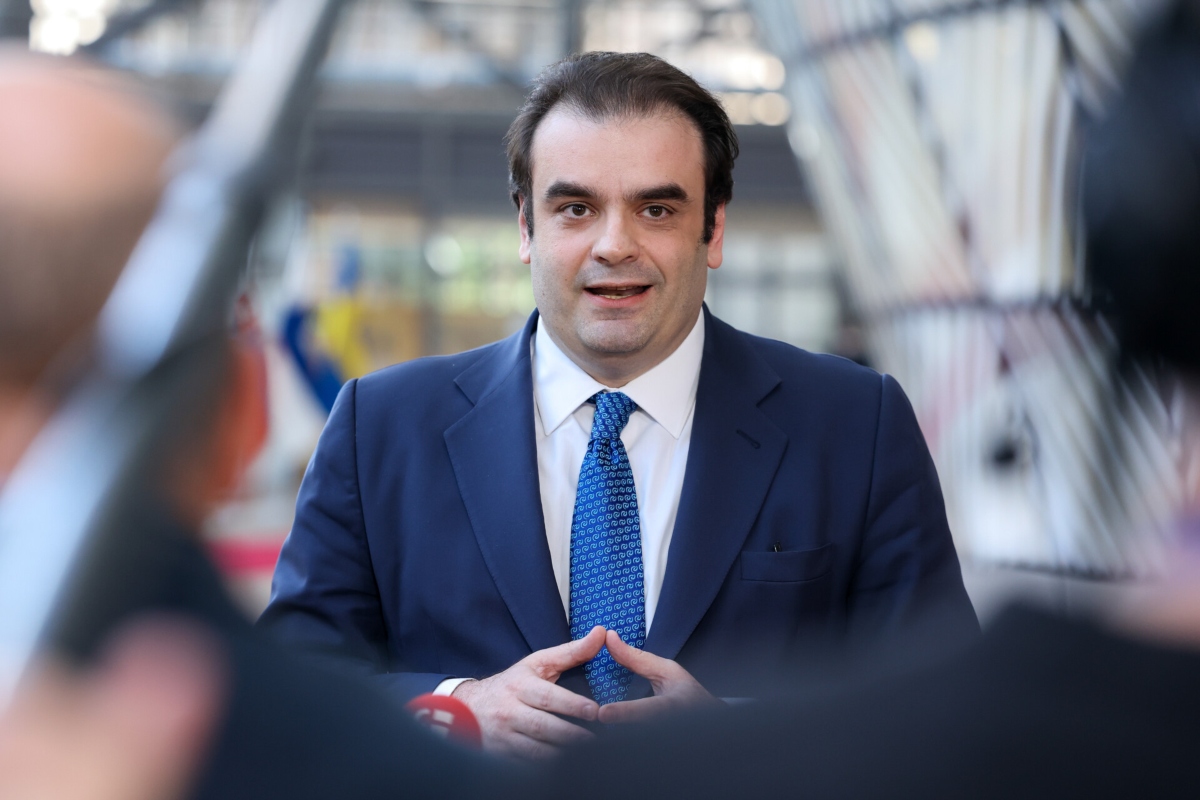
Πηγή Φωτογραφίας: eurokinissi// Pierrakakis in Luxembourg: Energy, Defense and Growth Dominate Eurogroup Agenda



Europe is entering a new phase of geopolitical uncertainty, energy challenges, and growing fiscal demands. Against this backdrop, the meetings of the Eurogroup and ECOFIN in Luxembourg carry particular significance, as finance ministers are expected to shape the European Union’s economic priorities for the coming years.
Among the key participants is Greek Minister of National Economy and Finance and Eurogroup President Kyriakos Pierrakakis, who is expected to advocate for the use of the national energy escape clause, a mechanism that could provide additional fiscal flexibility for investments aimed at strengthening energy security and reducing costs for households and businesses.
Energy Security and Fiscal Flexibility
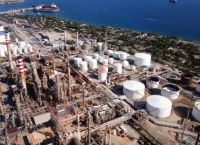
A central theme of the discussions will be Europe’s energy resilience. The proposed use of the national escape clause is seen as a critical tool for financing projects that enhance energy independence while easing pressure on consumers and industry.
The debate comes at a pivotal moment as the European Union seeks to balance fiscal discipline with the need for large-scale investments in energy infrastructure, digital transformation, and strategic industries.
Juncker Returns to the Discussion Table
Finance ministers will also participate in a working dinner attended by former European Commission President and former Eurogroup President Jean-Claude Juncker.
The exchange of views is expected to focus on the long-term outlook for the European economy, the challenges posed by geopolitical tensions, and the policy choices required to strengthen the Union’s economic resilience in an increasingly volatile global environment.
CBAM Expansion and Green Transition
At the ECOFIN meeting, ministers are expected to seek agreement on extending the Carbon Border Adjustment Mechanism (CBAM) to cover additional finished products, reinforcing the EU’s strategy to reduce carbon emissions while protecting the competitiveness of European industries.
The green transition is increasingly being viewed not only as an environmental objective but also as a pillar of economic security, helping Europe reduce strategic dependencies and improve long-term sustainability.
Recovery Fund and Defense Financing
Discussions will also focus on the implementation of the Recovery and Resilience Facility (RRF), which remains a cornerstone of Europe’s post-pandemic investment and reform agenda.
At the same time, rising security concerns have placed defense financing higher on the European policy agenda. Ministers are expected to explore new funding mechanisms that can support defense capabilities while preserving fiscal stability across member states.
The Competitiveness Challenge
Another key item on the agenda is the advancement of the Savings and Investments Union (SIU), a strategic initiative designed to channel more private capital into productive investments across the European economy.
European policymakers are increasingly focused on strengthening technological sovereignty, accelerating innovation, and reducing critical dependencies on external partners. Completing the Single Market and improving access to financing are viewed as essential steps toward enhancing Europe’s competitiveness in an era of intensifying global competition.
A Defining Moment for Europe’s Economic Strategy
The Eurogroup and ECOFIN meetings in Luxembourg are expected to serve as an important benchmark for Europe’s future economic direction. As energy security, defense spending, and strategic autonomy become increasingly intertwined with fiscal policy, the decisions taken this week could have far-reaching implications for the European Union’s growth prospects and economic resilience in the years ahead.
Source: pagenews.gr
Διαβάστε όλες τις τελευταίες Ειδήσεις από την Ελλάδα και τον Κόσμο