Vance pulls out of Switzerland trip as u.s.–Iran deal faces its first major test
 ΧΡΟΝΟΣ ΑΝΑΓΝΩΣΗΣ 7 '
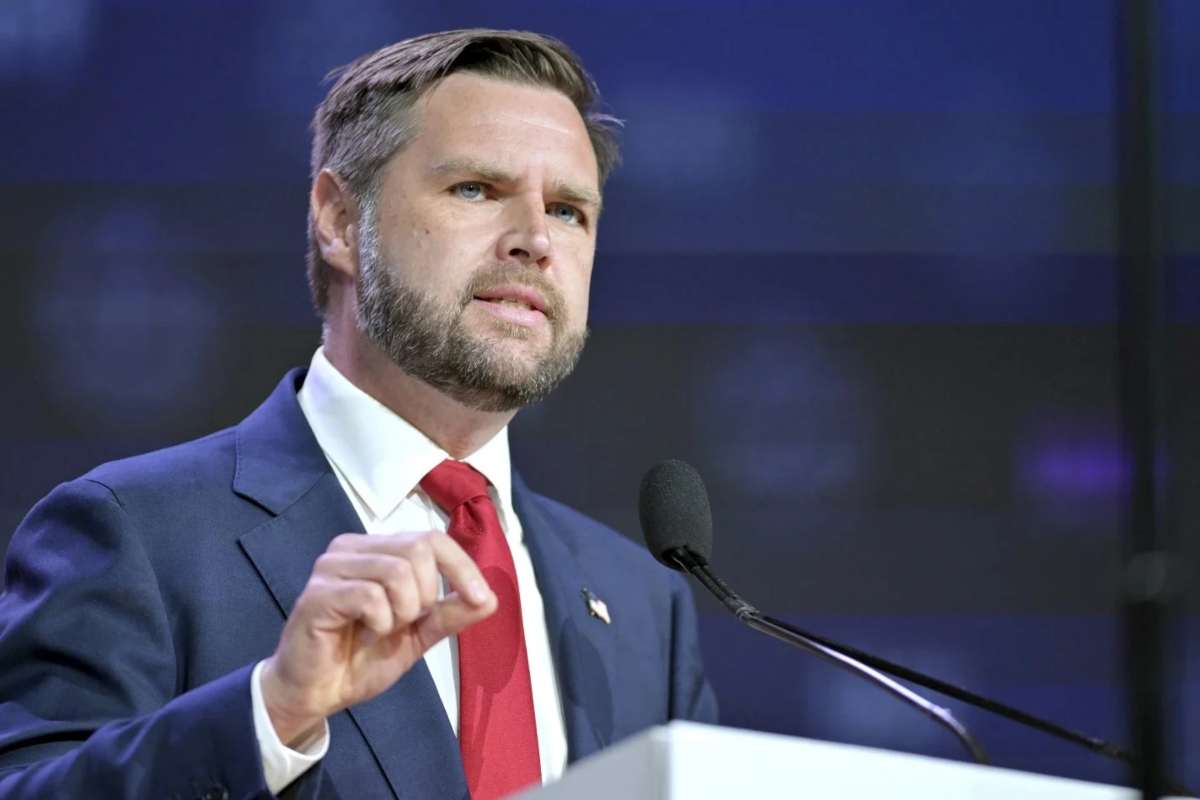
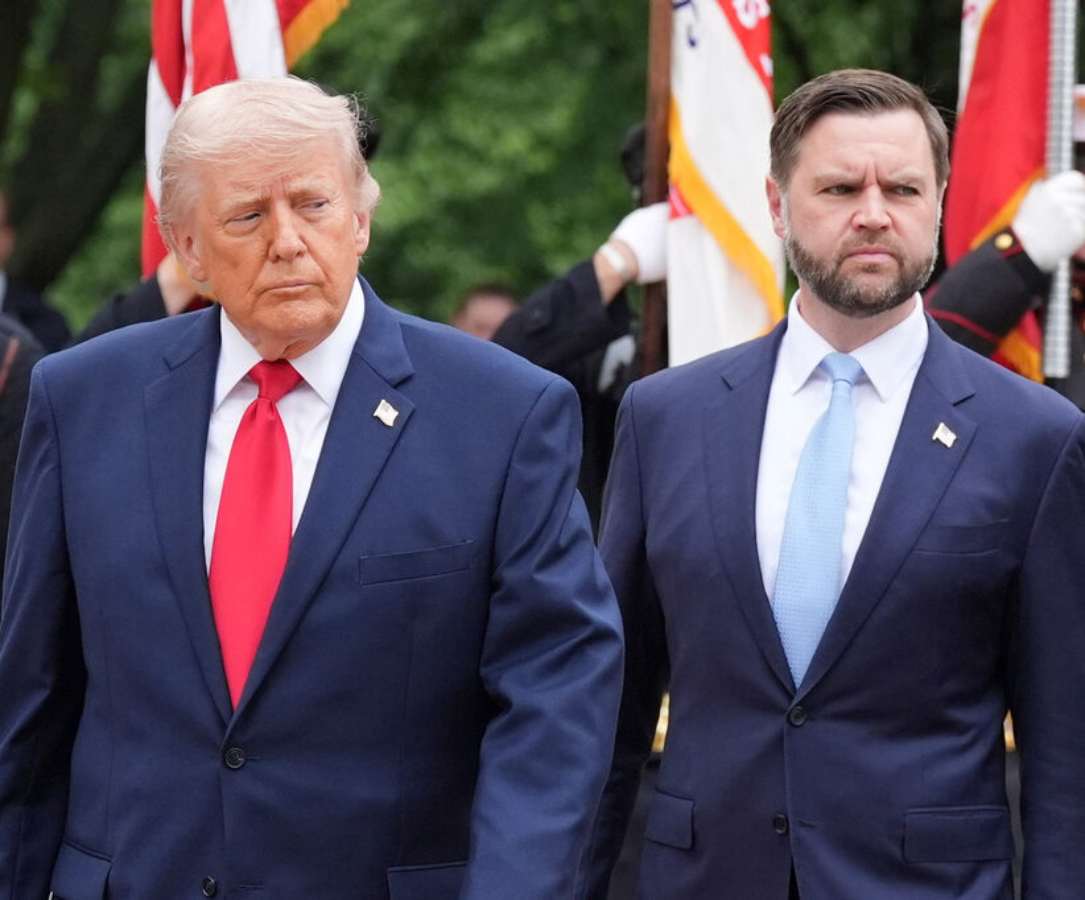
Πηγή Φωτογραφίας: AP Photo//Vance pulls out of Switzerland trip as u.s.–Iran deal faces its first major test



The postponement of U.S. Vice President JD Vance’s planned trip to Switzerland and growing uncertainty surrounding Iran’s participation in upcoming implementation talks have transformed what was expected to be a diplomatic breakthrough into a high-stakes geopolitical stress test.
Officially, the White House cited “logistical reasons” for the cancellation of Vance’s visit. Unofficially, however, regional developments—including renewed tensions linked to the fragile security environment in Lebanon—appear to have contributed to the decision.
The meeting at the Swiss resort of Bürgenstock, originally presented as the first operational step toward implementing the framework agreement that ended the most dangerous military confrontation between Washington and Tehran in decades, now faces significant uncertainty.
The situation became even more complicated after reports emerged that the Iranian negotiating delegation had also postponed its travel plans, citing ongoing Israeli military activity in southern Lebanon and broader regional security concerns.
The result is a diplomatic process that, despite its historic significance, is already encountering serious turbulence before formal implementation has even begun.
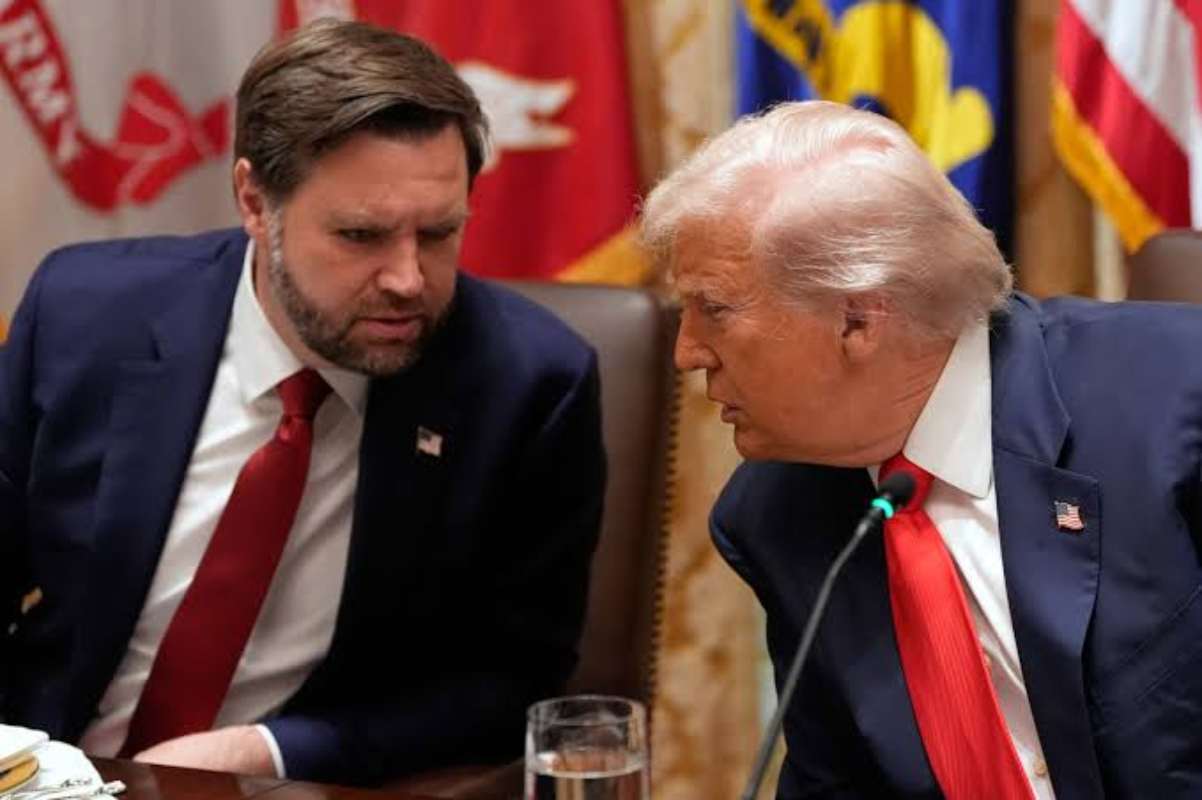
THE CLAUSE AT THE CENTER OF THE STORM
While both governments publicly celebrated the agreement, attention has rapidly shifted toward what diplomats describe as the document’s most controversial provision: the now-infamous “Paragraph 6.”
The question increasingly dominating diplomatic circles is both simple and explosive:
Did Washington and Tehran actually agree on the same interpretation of the agreement, or did each side return home presenting a different version to its domestic audience?
The dispute revolves around the economic dimension of the post-crisis framework.
Iranian Parliament Speaker and senior negotiator Mohammad Bagher Ghalibaf has publicly argued that the agreement opens the door to as much as $300 billion in future investment and reconstruction-related economic activity, portraying the deal as the beginning of Iran’s reintegration into the global economy.
Washington’s interpretation is markedly different.
American officials insist that the agreement contains:
• No provision for immediate financial transfers to Tehran.
• No automatic release of frozen Iranian assets.
• No commitment to direct funding mechanisms benefiting the Iranian state.
According to the U.S. position, any future economic relief would be strictly conditional upon Iranian compliance with security commitments, nuclear obligations, and broader regional behavior.
Former President Donald Trump has already dismissed reports suggesting that “billions of dollars” would flow to Tehran, calling such claims inaccurate and politically motivated.
The disagreement therefore appears to be less about the numbers themselves and more about what the agreement actually promises.
ONE DEAL, TWO POLITICAL NARRATIVES
At the heart of the emerging dispute lies a familiar feature of high-risk diplomacy: strategic ambiguity.
Tehran is presenting the agreement as the beginning of economic normalization and international reintegration.
Washington is portraying the same document as a strictly conditional framework in which benefits will only follow verified Iranian compliance.
Neither interpretation is accidental.
Both governments face substantial domestic political pressures and must convince their respective audiences that they did not make unacceptable concessions.
In the United States, the administration must demonstrate that it is not rewarding Iran after years of confrontation, sanctions, and regional tensions.
In Iran, political and religious leaders must show that diplomacy is producing tangible economic benefits rather than merely freezing hostilities without meaningful compensation.
Ghalibaf’s public messaging reflects this balancing act.
His statements simultaneously emphasize commitment to implementation while warning that Tehran is prepared to respond forcefully should it conclude that Washington is attempting to reinterpret or dilute agreed commitments.
The message is clear:
Diplomacy will continue—but not at any price.
THE BÜRGENSTOCK DRAMA
The uncertainty surrounding the Swiss meeting illustrates how fragile the process remains.
Until only hours before the planned gathering, it remained unclear whether Iranian representatives would ultimately travel to Switzerland.
Behind the scenes, negotiations have reportedly continued over:
- the scope of technical discussions,
- the composition of participating delegations,
- implementation timelines,
- verification mechanisms,
- and the sequencing of obligations.
Swiss authorities have confirmed that preparations remain underway.
Regional mediators—including Qatar and Pakistan—continue to support the process.
Yet even Islamabad appears to be exercising caution.
Pakistani Prime Minister Shehbaz Sharif has reportedly decided not to attend personally, opting instead for lower-level representation.
Diplomatic observers interpret this as a sign that several regional stakeholders are waiting to see whether the agreement can survive its first political shocks before committing significant political capital.
STRATEGIC FRAMING
The postponement of JD Vance’s trip is about far more than scheduling.
It represents the first visible indication that the battle has shifted from negotiating the agreement to defining what the agreement actually means.
History offers a warning.
Most major U.S.–Iran understandings have not collapsed during negotiations.
They have collapsed during implementation.
That is precisely where the current process now stands.
Mutual distrust remains extraordinarily high.
Implementation mechanisms are not yet fully clarified.
Economic provisions remain open to competing interpretations.
Domestic political pressures continue to intensify on both sides.
And every unresolved ambiguity now carries strategic consequences.
The significance of the Switzerland meeting extends far beyond technical discussions.
Its outcome will not merely determine how the agreement is implemented.
It will reveal whether Washington and Tehran possess sufficient political trust and institutional discipline to transform a fragile diplomatic breakthrough into a sustainable process.
If the competing interpretations surrounding “Paragraph 6” are not reconciled quickly, Bürgenstock may ultimately be remembered not as the beginning of implementation—but as the moment the first post-agreement crisis began.
This analysis is based on publicly available reporting, diplomatic assessments, and political intelligence available at the time of publication. Certain claims regarding the reported U.S.–Iran agreement, the so-called “Paragraph 6,” references to potential $300 billion investment mechanisms, and specific details surrounding the Bürgenstock negotiations have not been independently verified through official primary sources. As a result, some elements of the assessment reflect the evolving understanding emerging from diplomatic, political, and media reporting and remain subject to revision as additional information becomes available. The purpose of this article is to provide strategic and political context surrounding the developments rather than to serve as definitive confirmation of every claim currently circulating in the public domain.
Source: pagenews.gr
Διαβάστε όλες τις τελευταίες Ειδήσεις από την Ελλάδα και τον Κόσμο