NATO’s Strategic Reset: Turkey Positions Itself at the Heart of the Alliance’s New Security Architecture
 ΧΡΟΝΟΣ ΑΝΑΓΝΩΣΗΣ 6 '
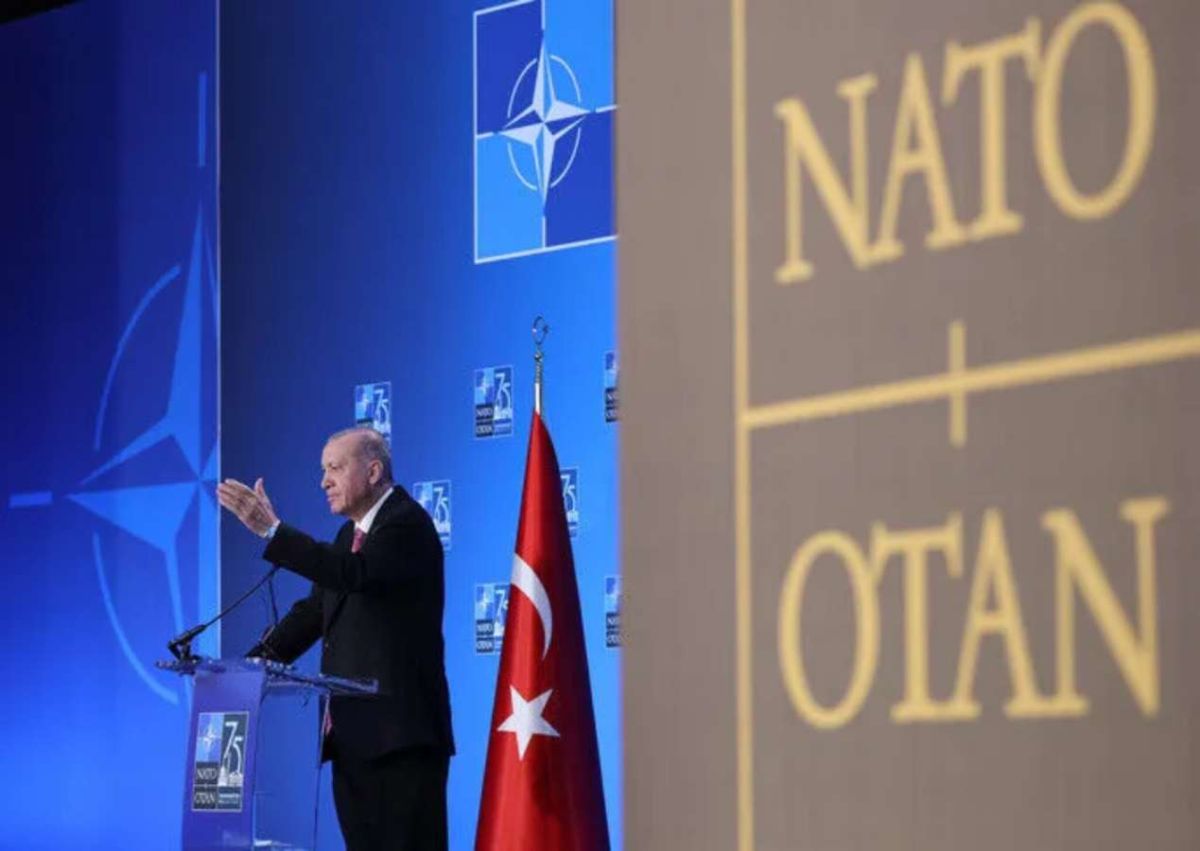
Πηγή Φωτογραφίας: AP Photo//NATO's Strategic Reset: Turkey Positions Itself at the Heart of the Alliance's New Security Architecture



As NATO prepares for its Summit in Ankara on 7–8 July, the Alliance finds itself navigating one of the most challenging strategic environments since the end of the Cold War. Russia’s war in Ukraine, instability across the Middle East, growing tensions around the Strait of Hormuz, and intensifying competition between the United States and China are collectively reshaping the Euro-Atlantic security agenda.
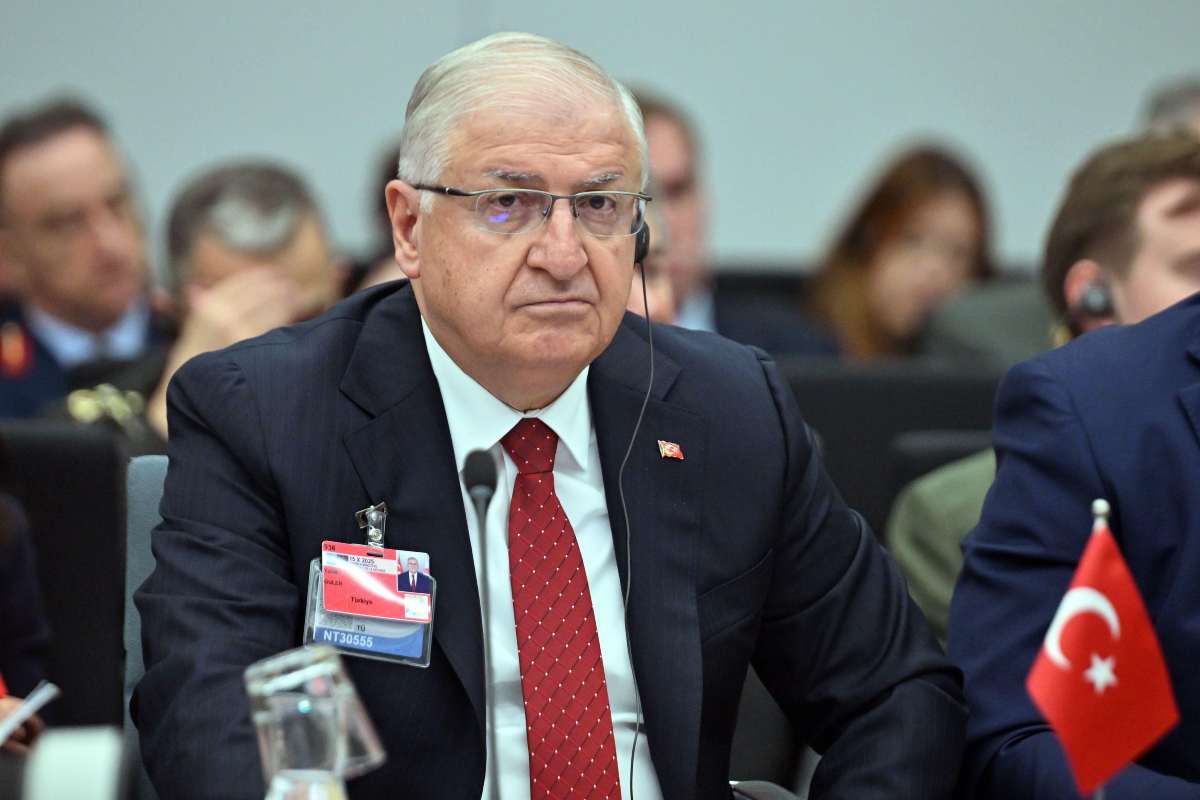
In an exclusive interview with Reuters, Turkish Defence Minister Yasar Guler dismissed suggestions that NATO is experiencing an existential crisis, arguing instead that the Alliance is undergoing a necessary strategic adjustment to an evolving global security landscape.
His remarks come at a pivotal moment, as NATO seeks to strengthen internal cohesion while redefining burden-sharing among its members and responding to an increasingly interconnected set of geopolitical challenges.
Washington is Redefining Leadership, Not Abandoning NATO
According to Guler, concerns that the United States intends to withdraw from NATO are misplaced.
Instead, Washington’s strategic objective is to encourage European allies and Canada to assume greater responsibility for the continent’s defence, allowing the United States to allocate more military and political resources to the Indo-Pacific, where China has emerged as its principal long-term strategic competitor.
This shift reflects a broader transformation in U.S. grand strategy rather than any weakening of transatlantic commitments. NATO remains the cornerstone of Euro-Atlantic security, but its internal distribution of responsibilities is increasingly evolving.
Rather than reducing its influence, the United States appears to be recalibrating its role within the Alliance by encouraging a more capable and strategically autonomous Europe.
Turkey Seeks a Central Role in Europe’s Defence Future
Turkey is using this strategic transition to reinforce its position within NATO and the broader European security architecture.
Guler argued that Ankara must be fully included in European defence initiatives, stressing that Europe’s security cannot be effectively designed without one of NATO’s largest and most capable military powers.
Turkey possesses the Alliance’s second-largest standing military force and occupies one of the world’s most strategically important geographical positions, connecting Europe, the Black Sea, the Caucasus and the Middle East.
As European governments increase defence spending and accelerate industrial cooperation, Ankara believes its defence industry and operational experience should become an integral part of future European security projects.
The Strait of Hormuz Returns Security to NATO’s Agenda
Energy security is expected to become one of the summit’s central themes.
The recent instability surrounding the Strait of Hormuz, through which roughly 20% of global seaborne oil and LNG exports pass, has once again highlighted the strategic importance of protecting critical maritime corridors.
Washington has privately expressed concerns over what it views as insufficient allied participation in safeguarding international shipping routes following recent regional tensions.
For NATO, protecting global energy supply chains is no longer viewed solely as an economic issue but increasingly as a core component of collective security.
Ukraine Remains a Strategic Priority
Support for Ukraine is expected to remain at the forefront of discussions.
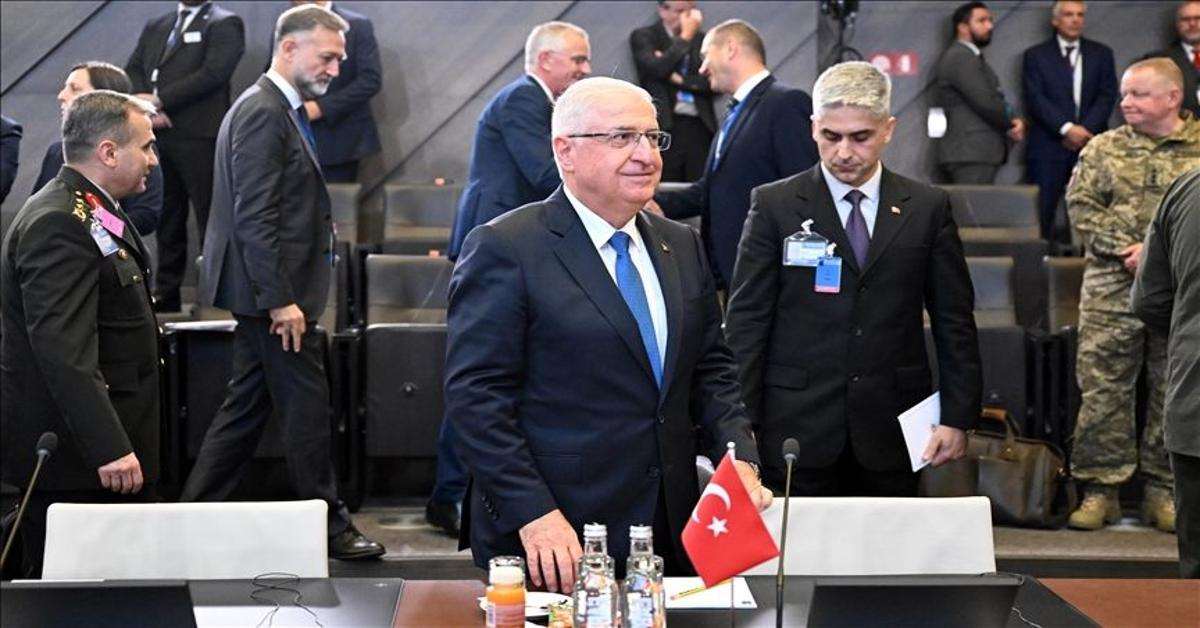
Despite maintaining diplomatic channels with both Kyiv and Moscow, Turkey continues to balance its unique intermediary role while reaffirming its commitments within NATO.
This dual-track policy has enabled Ankara to preserve strategic influence across both the Black Sea region and the Middle East, positioning itself as one of the few Alliance members capable of maintaining dialogue with competing regional actors.
NATO Enters a New Phase of Strategic Adaptation
Guler’s remarks reflect a broader transformation taking place within NATO itself.
For decades, the Alliance primarily focused on collective defence against conventional military threats. Today, however, NATO faces an increasingly multidimensional security environment that extends far beyond traditional military deterrence.
Russia’s continued aggression in Ukraine, instability across the Middle East, hybrid warfare, cyber threats, critical infrastructure protection, energy security and strategic competition with China now form interconnected elements of a much broader security agenda.
Within this context, burden-sharing has become less a political dispute and more a structural necessity.
The United States is gradually shifting strategic attention toward the Indo-Pacific while expecting European allies to assume greater responsibility for regional security. This evolution does not signify American disengagement from Europe; rather, it reflects a redistribution of strategic priorities within an increasingly multipolar international system.
Turkey views this transition as an opportunity to consolidate its geopolitical importance. By combining military capabilities, an expanding defence industry and strategic geography, Ankara seeks to position itself not merely as NATO’s southeastern flank but as an indispensable security actor linking Europe, the Black Sea, the Eastern Mediterranean and the Middle East.
Whether European capitals fully embrace this vision will depend largely on the future trajectory of EU–Turkey relations, defence industrial cooperation and broader political trust.
The Ankara Summit is likely to mark another important step in NATO’s ongoing strategic transformation.
Expected discussions on increased defence spending, industrial cooperation, support for Ukraine and the protection of critical maritime and energy infrastructure will shape the Alliance’s priorities for the coming decade.
For Turkey, the summit offers an opportunity to reinforce its position as a pivotal regional power within NATO while advancing its long-standing ambition to play a greater role in Europe’s evolving security architecture.
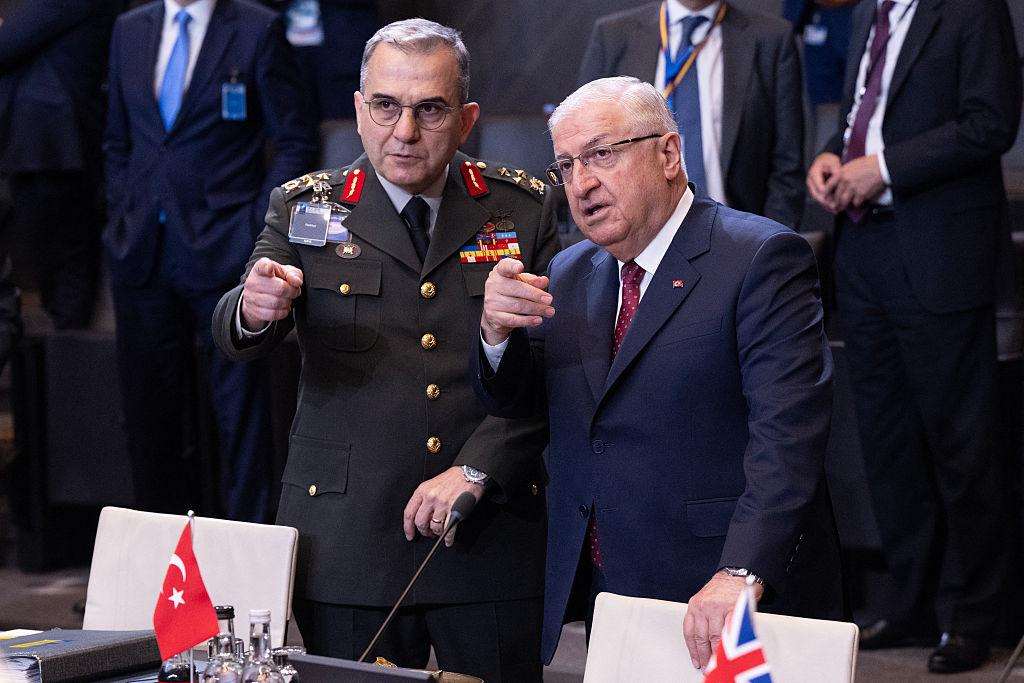
Ultimately, NATO appears to be entering a new era—not one defined by institutional crisis, but by strategic adaptation. In an increasingly fragmented geopolitical environment, the Alliance’s future strength will depend less on preserving Cold War structures and more on its ability to adapt collectively to emerging global challenges.
Source: pagenews.gr
Διαβάστε όλες τις τελευταίες Ειδήσεις από την Ελλάδα και τον Κόσμο