The Six NATO Allies Most Exposed to Trump’s Defense Spending Reckoning
 ΧΡΟΝΟΣ ΑΝΑΓΝΩΣΗΣ 7 '
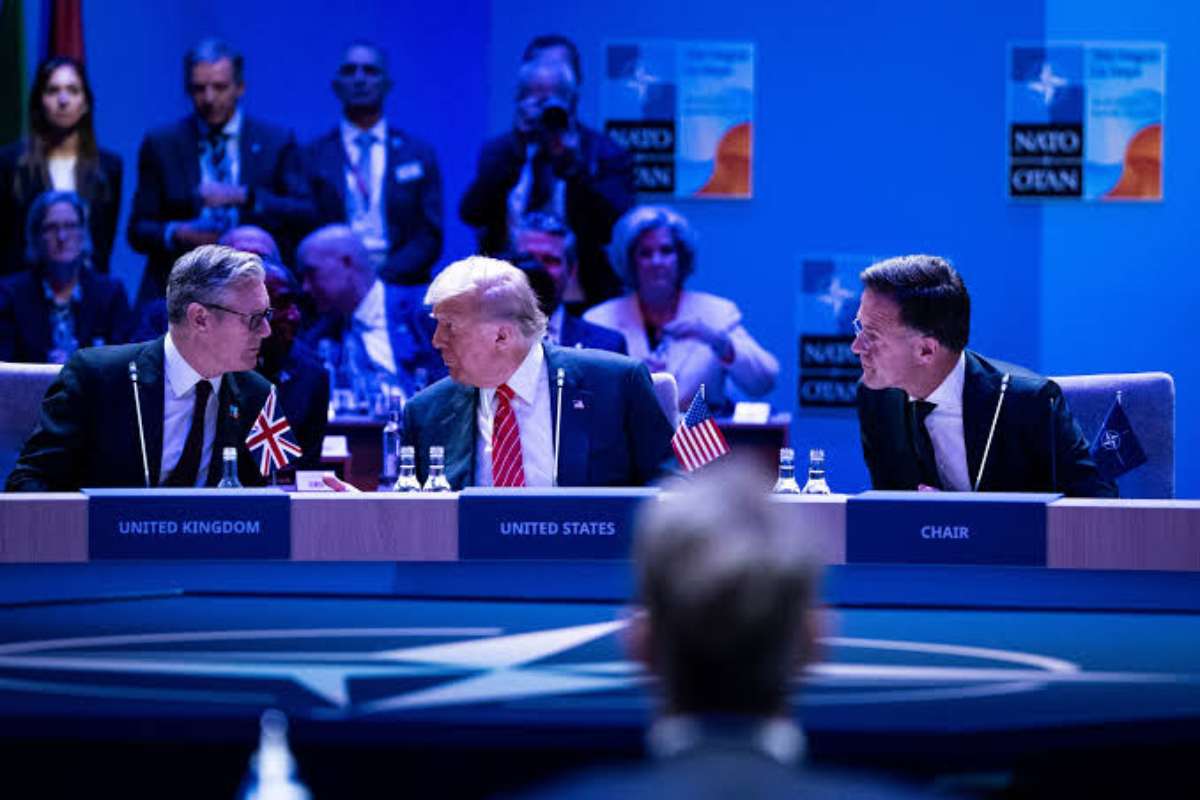
Πηγή Φωτογραφίας: AP Photo//The Six NATO Allies Most Exposed to Trump’s Defense Spending Reckoning



For decades, NATO’s internal debate over defense spending was largely symbolic—a recurring dispute punctuated by summit declarations, political promises and familiar American complaints about burden-sharing. Today, that debate has evolved into something far more consequential.
Under Donald Trump’s renewed leadership, defense spending is no longer merely a metric of military commitment. It has become a measure of political credibility.
The emerging transatlantic reality is increasingly straightforward: allies that fail to invest adequately in their own defense may find that Washington’s patience—and potentially its strategic attention—is no longer guaranteed. In an era defined by Russia’s continued threat to European security, intensifying competition with China and mounting fiscal pressures inside the United States, the American security umbrella is being reframed as a shared enterprise rather than a unilateral guarantee.
Against this backdrop, six NATO members stand out as particularly vulnerable to the new political climate taking shape in Washington.
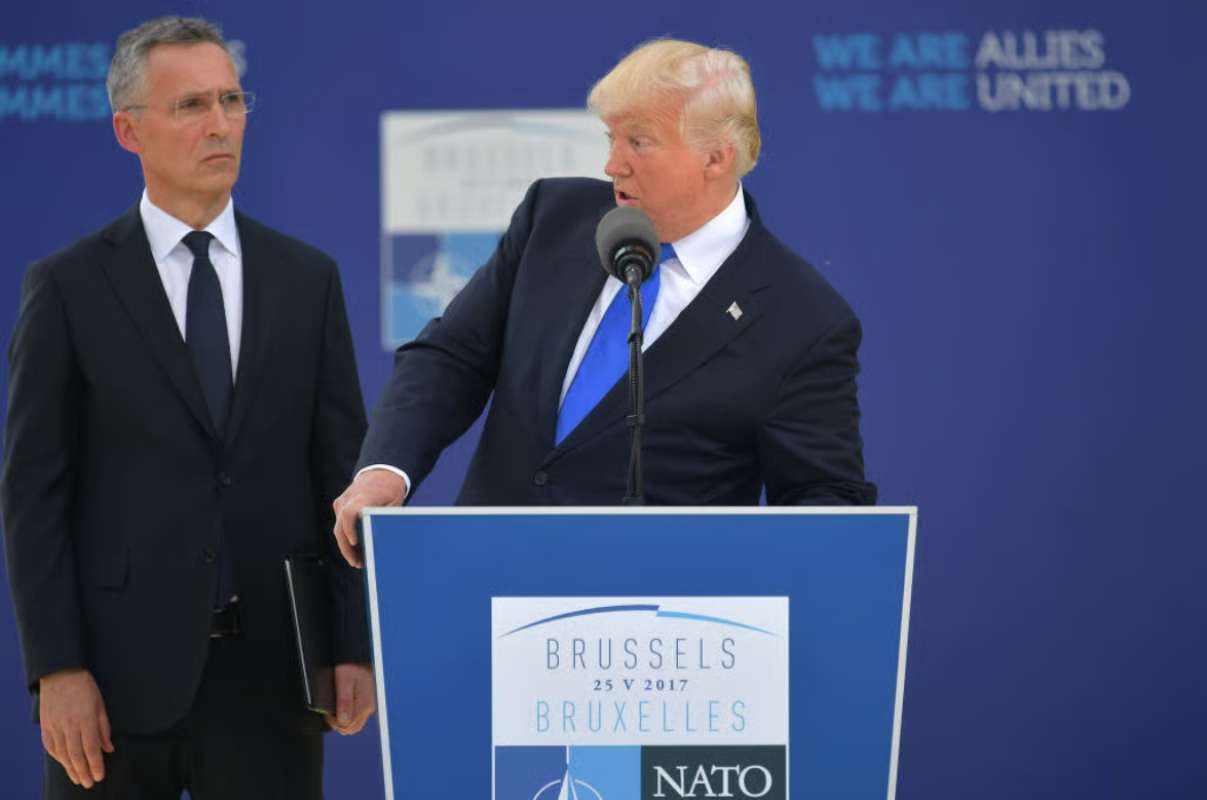
Spain: From Outlier to Symbol
No ally has become a more visible target in the defense spending debate than Spain.
Madrid’s resistance to significantly higher military expenditures has transformed the country into a symbol of broader European reluctance to embrace NATO’s new spending ambitions. Prime Minister Pedro Sánchez has argued that Spain can meet its alliance obligations without dramatically expanding defense budgets, emphasizing social priorities and fiscal sustainability.
Yet from Washington’s perspective, the issue is no longer purely budgetary.
Spain increasingly represents a political challenge to the alliance’s emerging consensus. In Trump’s strategic narrative, burden-sharing is not simply about military capabilities; it is about demonstrating solidarity with the alliance’s evolving priorities. Public disagreements over spending targets risk placing Madrid in a particularly exposed diplomatic position.
Belgium: The Alliance’s Persistent Weak Spot
For years, Belgium benefited from a unique geopolitical paradox.
As the host nation of NATO headquarters and numerous European institutions, Brussels occupied the center of Western security architecture while maintaining relatively modest defense expenditures. That arrangement was tolerated during periods of strategic stability.
The return of great-power competition has changed the equation.
Washington now evaluates allies less by institutional symbolism and more by deployable forces, industrial capacity, ammunition stocks and military readiness. On these measures, Belgium remains vulnerable to criticism from an American administration increasingly focused on tangible contributions rather than diplomatic prestige.
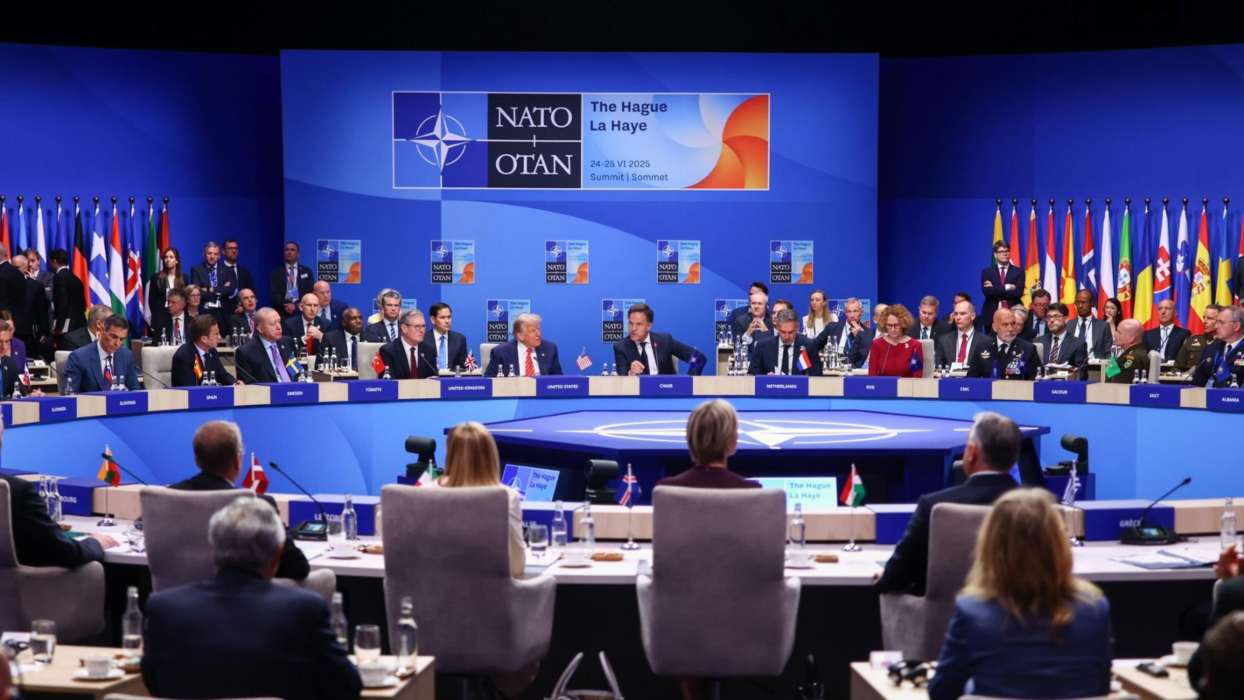
Italy: Strategic Weight, Fiscal Constraints
Italy occupies a more complex position.
As one of Europe’s largest economies and home to a significant defense-industrial base, Rome remains a critical contributor to NATO’s southern flank. Italian forces regularly participate in alliance operations, while the country’s strategic geography makes it indispensable for Mediterranean security.
Yet Italy’s chronic debt burden creates a structural obstacle to rapid military expansion.
The challenge facing Rome is not one of strategic intent but fiscal capacity. Meeting significantly higher spending targets would require difficult domestic trade-offs at a time when economic pressures continue to constrain government finances. In Washington, however, explanations increasingly matter less than outcomes.
Canada: America’s Most Comfortable Ally Under Pressure
Few countries have attracted more sustained criticism from Trump than Canada.
Despite its economic strength and close integration with the United States, Ottawa has historically allocated a relatively modest share of national wealth to defense. Geography has played a central role in shaping that posture; protected by oceans and sharing the world’s longest undefended border with the United States, Canada has long enjoyed a uniquely secure strategic environment.
That assumption is now under scrutiny.
The American political debate increasingly questions whether longstanding allies should continue benefiting from U.S. military guarantees without proportionate investment in collective defense. Canada’s challenge is therefore not merely military—it is political.
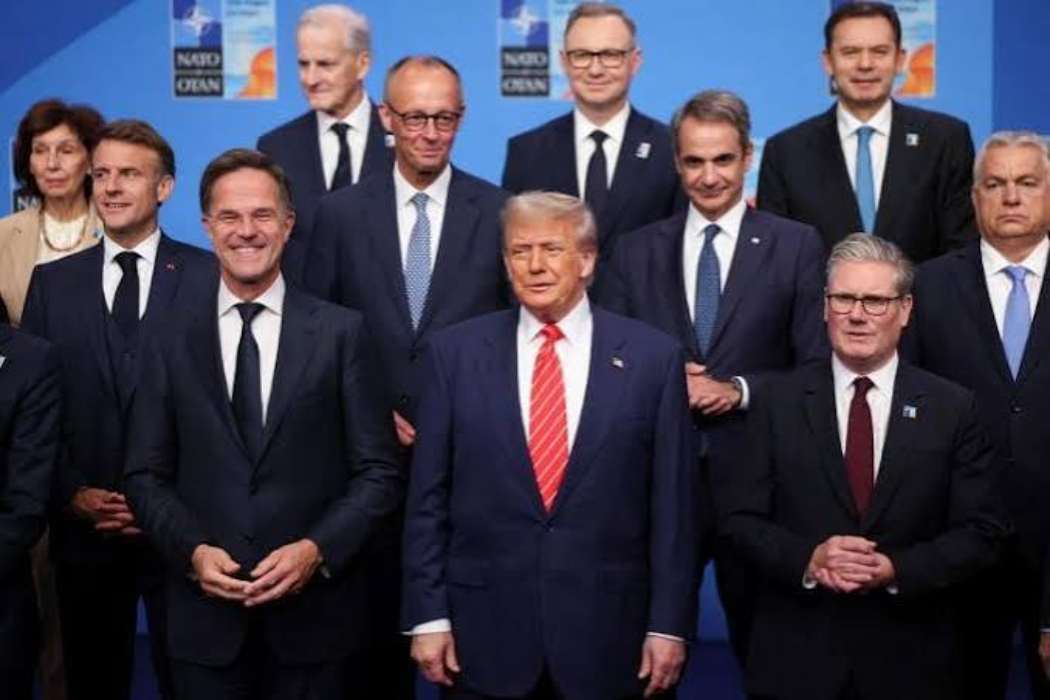
Luxembourg: Size Is No Longer an Excuse
Luxembourg’s limited military footprint has traditionally been accepted as an unavoidable consequence of scale.
But the alliance’s evolving expectations are beginning to challenge that logic.
As NATO focuses on resilience, industrial support, cyber capabilities and defense financing, even its smallest members are expected to demonstrate meaningful contributions. The debate is no longer exclusively about troop numbers; it is about whether every ally is visibly carrying part of the collective burden.
In that context, size alone may no longer provide diplomatic cover.
The United Kingdom: The Unexpected Inclusion
Perhaps the most surprising country to appear on this list is Britain.
The United Kingdom remains Europe’s leading military power alongside France and continues to play a central role in NATO’s deterrence posture. British forces are among the alliance’s most capable, and London remains one of Washington’s closest strategic partners.
Yet even Britain faces growing questions about the pace and scale of future defense investments.
The issue is not whether the UK contributes, but whether it can sustain the level of military capability expected in a dramatically more demanding security environment. As alliance benchmarks rise, historical prestige may offer less protection from scrutiny than in the past.
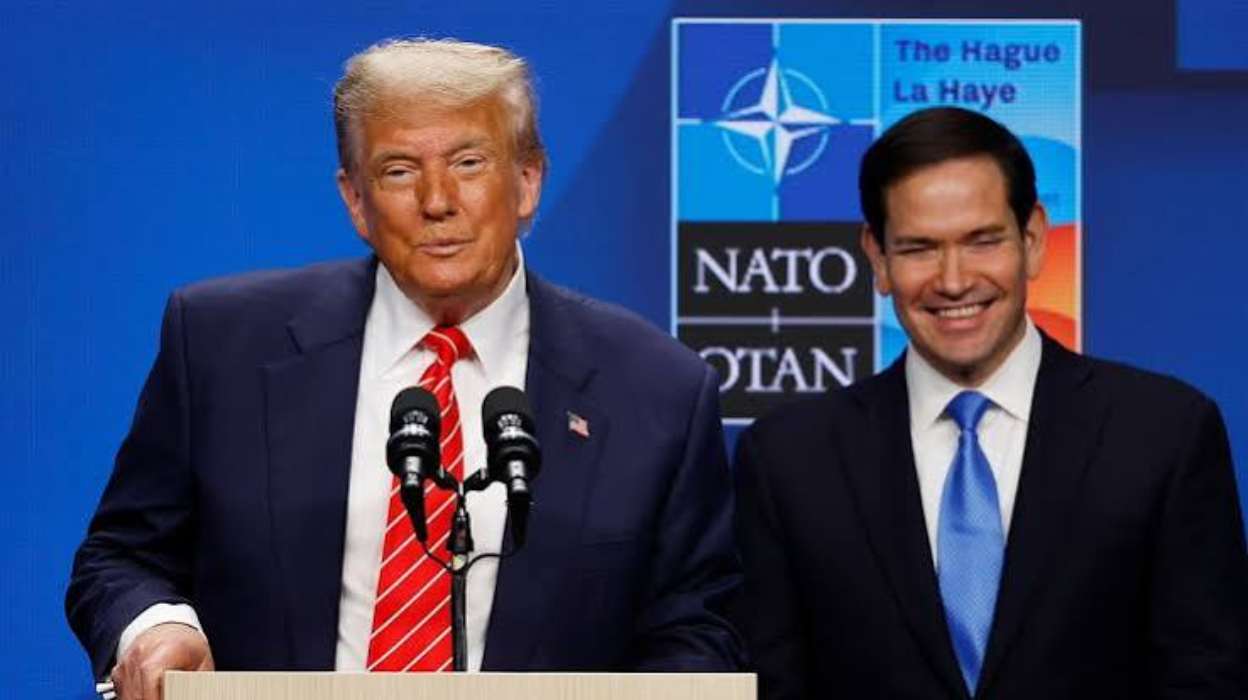
A Deeper Transformation of the Alliance
The significance of this debate extends well beyond defense budgets.
What is unfolding inside NATO is a gradual transformation of the transatlantic security contract itself.
For much of the post-Cold War era, European allies operated under the assumption that American protection was effectively unconditional. The emerging Trump doctrine suggests something different: security guarantees remain robust, but political influence within the alliance increasingly depends on measurable contributions.
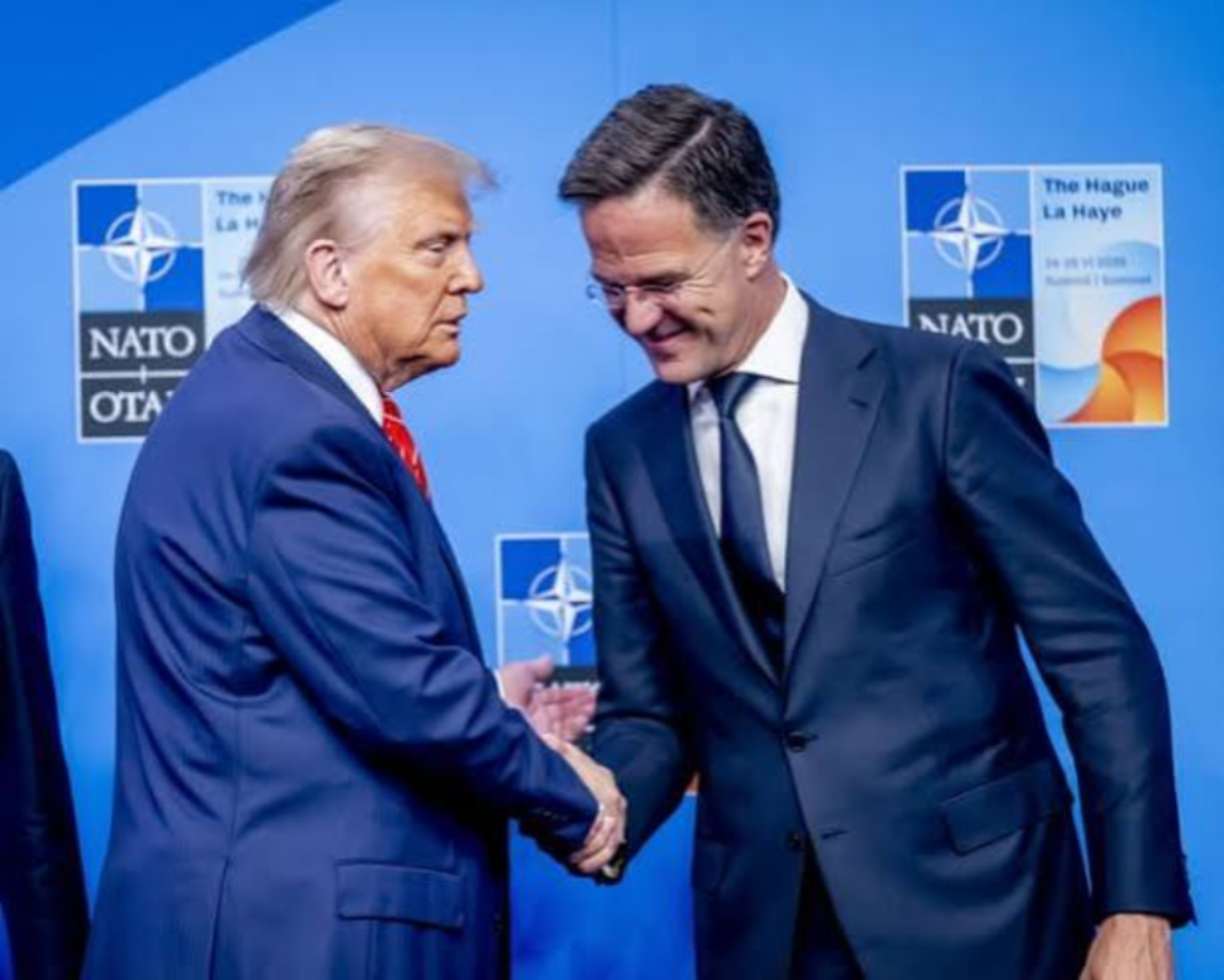
This shift marks the transition from a culture of collective reassurance to one of strategic accountability.
For Europe, the challenge is not simply to spend more. It is to adapt to a NATO in which military investment has become a test of political reliability and strategic seriousness.
The six countries facing the greatest scrutiny today may differ in size, geography and capability. What unites them is a common reality: in Washington’s evolving view of the alliance, credibility is no longer assumed—it must be continuously demonstrated.
Διαβάστε όλες τις τελευταίες Ειδήσεις από την Ελλάδα και τον Κόσμο