52 Years On: Cyprus Remains at the Heart of Eastern Mediterranean Geopolitics
 ΧΡΟΝΟΣ ΑΝΑΓΝΩΣΗΣ 4 '
Πηγή Φωτογραφίας: eurokinissi//52 Years On: Cyprus Remains at the Heart of Eastern Mediterranean Geopolitics



Cyprus: An Unresolved Geopolitical Fault Line in Europe
More than five decades after the Turkish military intervention of 20 July 1974, Cyprus remains one of the world’s longest-running unresolved conflicts. While the anniversary is primarily a day of remembrance for the victims, the missing and those displaced by the invasion, it also serves as a reminder that the European Union still contains a divided member state whose political future remains unsettled.
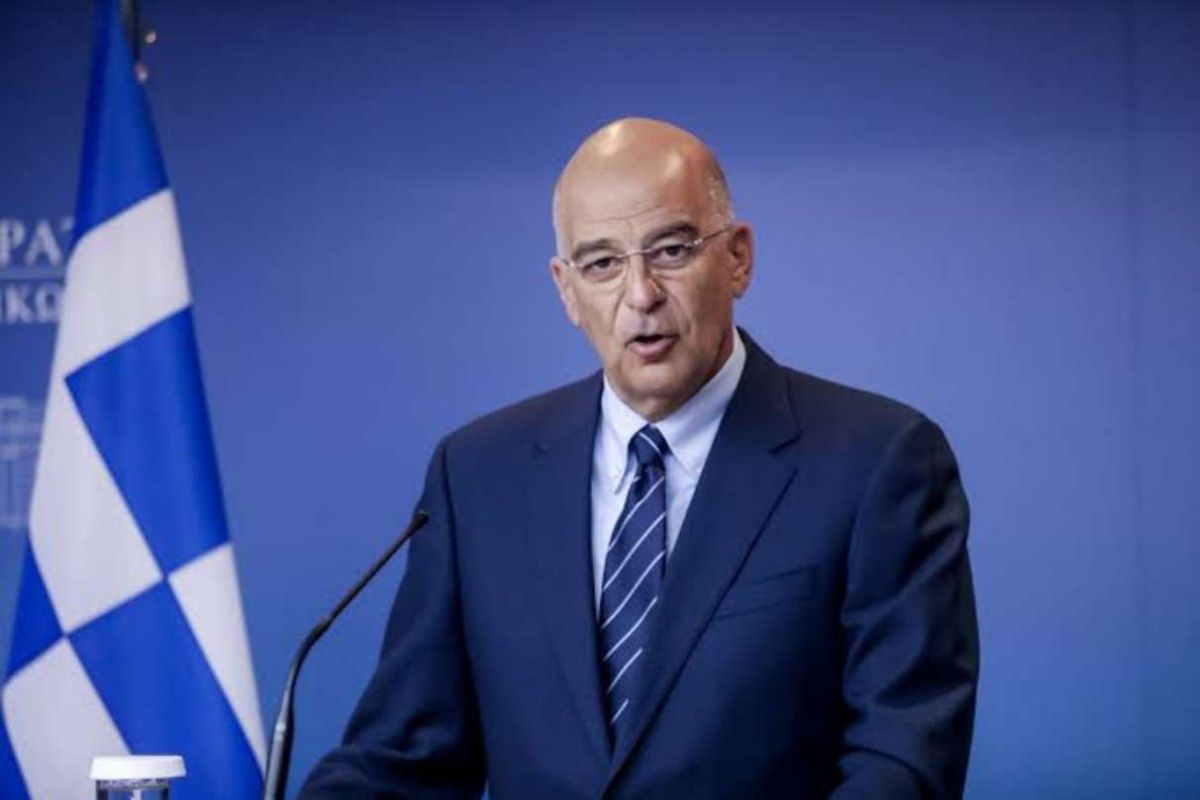
Marking the 52nd anniversary, Greek Defence Minister Nikos Dendias stressed that “the Cyprus issue remains one of illegal occupation” and added that “for the Greek Armed Forces, Cyprus lies close.” The statement reflects Athens’ enduring commitment to the Republic of Cyprus at a time when security dynamics in the Eastern Mediterranean have become increasingly intertwined with broader geopolitical competition.
Athens Reaffirms Its Position
In a parallel statement, the Greek Ministry of Foreign Affairs reiterated that Cyprus remains an international issue of illegal invasion and occupation, emphasizing Greece’s longstanding support for a comprehensive settlement based on a bi-zonal, bi-communal federation, with political equality, a single sovereignty, one international legal personality and one citizenship, in accordance with United Nations Security Council resolutions and the European Union’s legal framework.
Athens also reaffirmed its support for the ongoing efforts of UN Secretary-General António Guterres to restart negotiations between the two communities after years of diplomatic deadlock.
Turkey’s Position Has Shifted
The diplomatic landscape has changed significantly in recent years.
While previous rounds of negotiations focused on reunification under a federal model, Ankara now openly supports a two-state solution for Cyprus, a position shared by Turkish Cypriot leader Ersin Tatar.
That proposal has been rejected by both the Republic of Cyprus and the international community, including the United Nations and the European Union, which continue to recognize only the Republic of Cyprus as the island’s legitimate sovereign state.
The divergence over the framework for future negotiations remains the principal obstacle to any meaningful breakthrough.
The Eastern Mediterranean Has Become Strategically Critical
Cyprus today occupies a far more significant geopolitical position than it did a decade ago.
Russia’s war in Ukraine, instability across the Middle East, Europe’s search for alternative energy corridors and growing competition among regional powers have transformed the Eastern Mediterranean into one of the world’s most strategically contested regions.
The Republic of Cyprus has strengthened its trilateral partnerships with Greece, Israel and Egypt, while also serving as an important logistical and humanitarian hub for European and allied operations in the region.
Meanwhile, the British Sovereign Base Areas of Akrotiri and Dhekelia continue to play a pivotal role in NATO-aligned operations and regional security planning.
A European Issue, Not Only a Bilateral Dispute
For the European Union, Cyprus represents a unique political anomaly.
It remains the only EU member state whose territory is partially occupied by foreign military forces and whose capital, Nicosia, is still divided.
Despite multiple diplomatic initiatives—including the Annan Plan in 2004 and the Crans-Montana negotiations in 2017—the conflict remains unresolved, with negotiations effectively frozen in recent years.
A Message Beyond the Anniversary
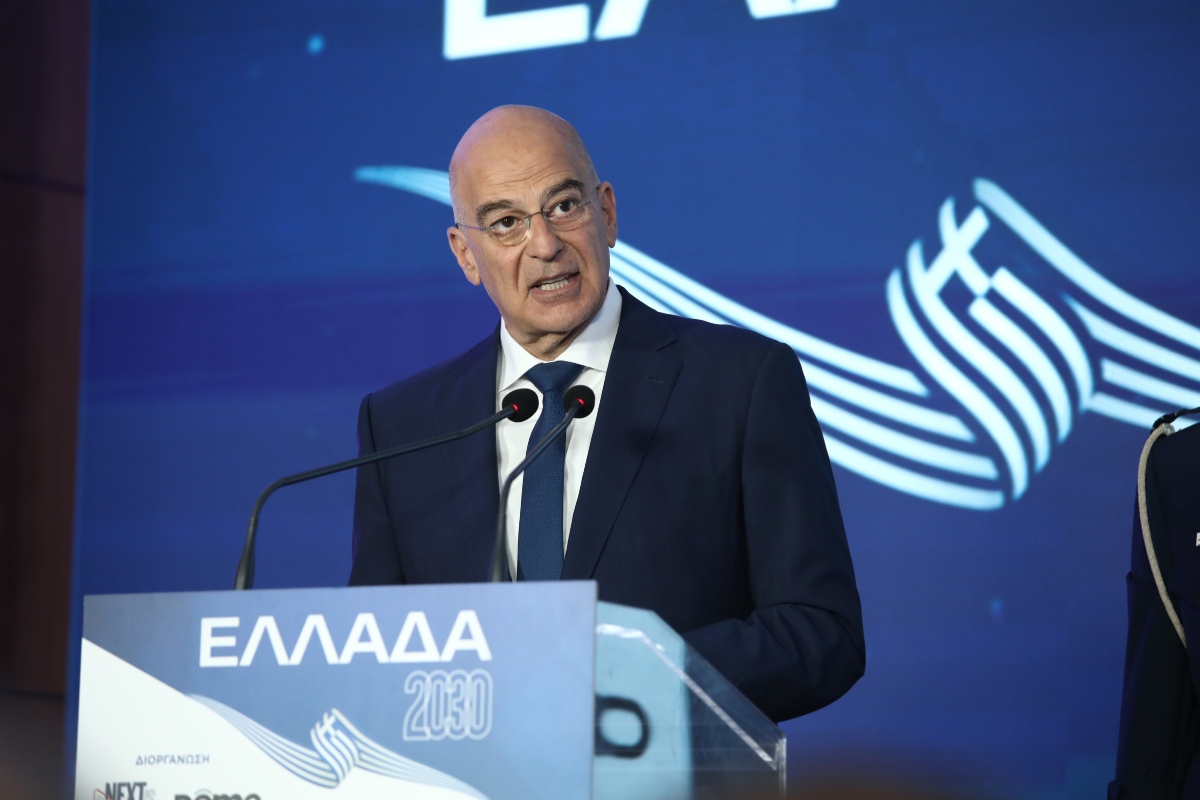
Dendias’ remark that “Cyprus lies close” carries significance beyond symbolism.
As geopolitical competition intensifies across the Eastern Mediterranean, Greece seeks to underscore that Cyprus is not merely a historical dispute but an active issue of international law, European security and regional stability.
Fifty-two years after the events of 1974, the island continues to illustrate how unresolved conflicts can become permanent geopolitical realities. As long as Nicosia remains Europe’s last divided capital, the Cyprus question will continue to test the credibility of international diplomacy, the authority of international law and the European Union’s capacity to address security challenges within its own borders.
Source: pagenews.gr
Διαβάστε όλες τις τελευταίες Ειδήσεις από την Ελλάδα και τον Κόσμο