Who Controls the Switch? Greece–Cyprus Cable Tests Turkey—and Europe’s Resolve
 ΧΡΟΝΟΣ ΑΝΑΓΝΩΣΗΣ 5 '
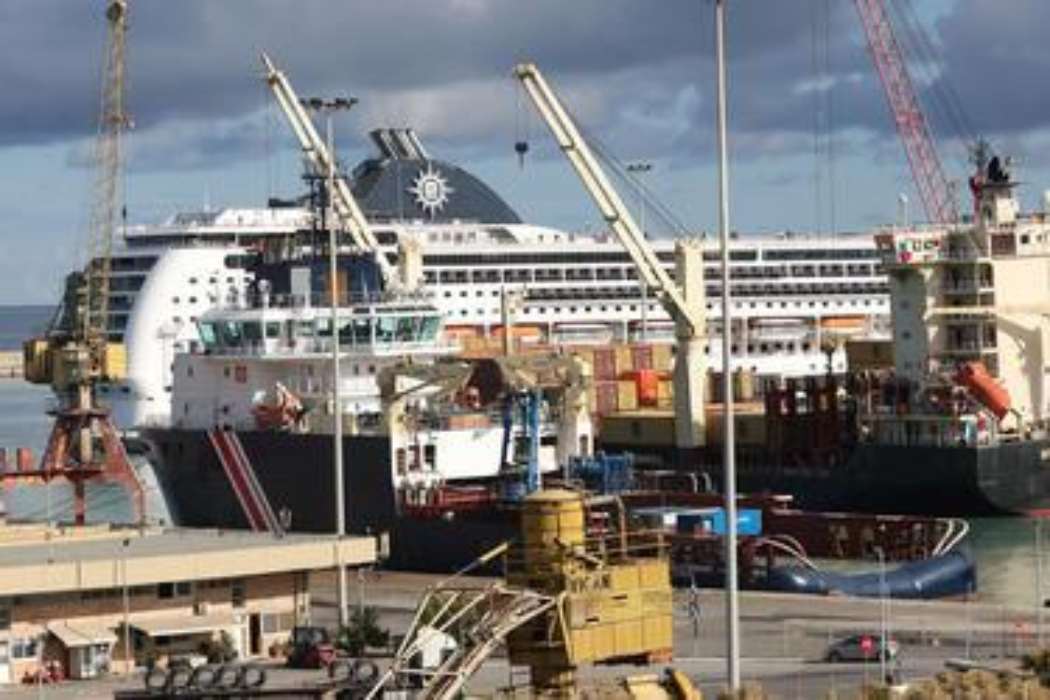
Πηγή Φωτογραφίας: Credit: ImageOnline / Στέφανος Ραπάνης — Abeille Marengo στο Ηράκλειο —//Who Controls the Switch? Greece–Cyprus Cable Tests Turkey—and Europe’s Resolve



Who decides whether Greece and Cyprus can connect their electricity grids? The countries developing the project, the European institutions financing it—or Ankara, through its ability to generate delays and uncertainty?
The anticipated issuance of a NAVTEX navigational warning for the resumption of Great Sea Interconnector surveys brings that question into focus. What appears to be a technical and administrative process carries broader political significance: the project’s progress will ultimately be tested at sea, where diplomatic positions meet the practical demands of implementation.
According to information reported by Greek public broadcaster ERT, the NAVTEX was being prepared for the weekend of November 7–8, subject to completion of the required procedures. The contractor has submitted survey coordinates to the Greek Foreign Ministry, while a favourable recommendation from the competent interministerial committee was expected on Friday, November 6.
The decisive step will be the start—and uninterrupted continuation—of survey work. Issuing the navigational warning would mark progress, but would not by itself resolve the geopolitical challenges surrounding the project.
Kasos returns to the spotlight
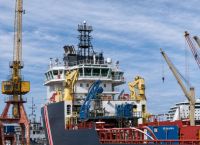
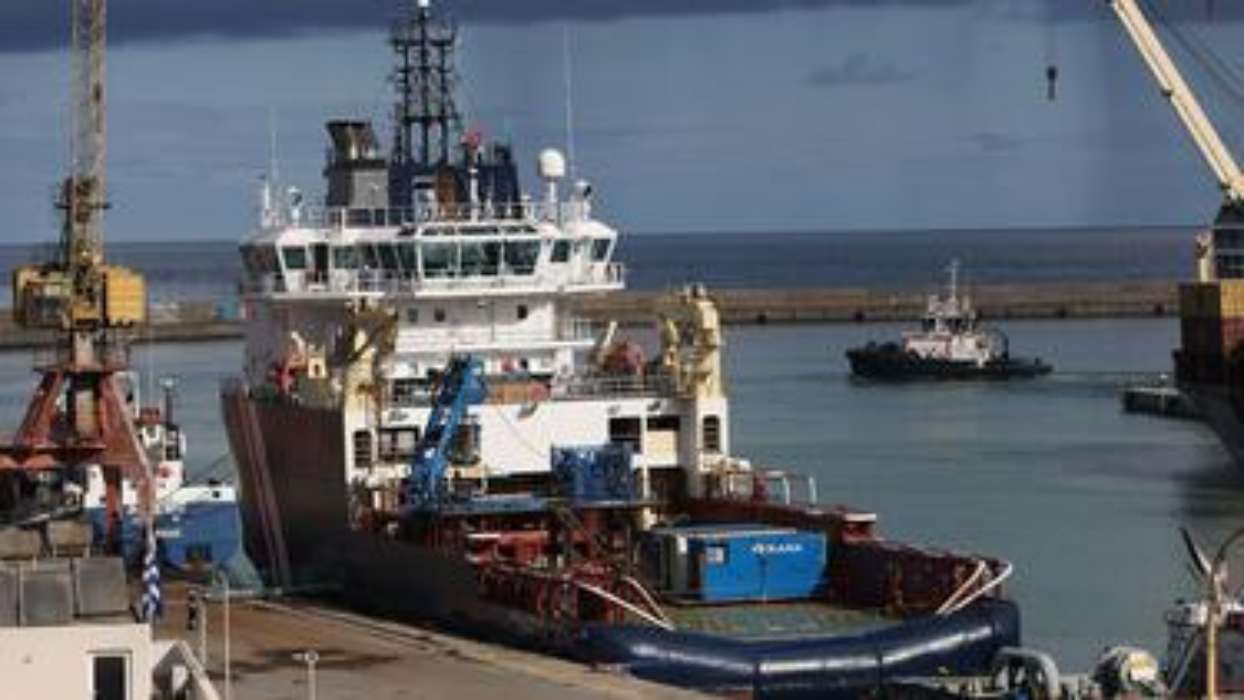
The French-flagged survey vessel Abeille Marengo, stationed in Heraklion, is awaiting the necessary approvals before proceeding.
According to reporting by NEWS 24/7, surveys are expected to resume in the maritime area near Kasos, where Turkish naval intervention complicated operations by the Italian survey vessel Ievoli Relume in the summer of 2024.
Returning to that area therefore carries particular significance. For Athens, progress would reinforce its stated position that the relevant authorisation procedures fall under Greek authority. For Ankara, renewed operations would again raise the question of how it intends to assert its maritime claims.
No specific form of Turkish response has been confirmed. Nevertheless, the Kasos precedent explains why the survey vessel’s movements are being watched as developments with diplomatic implications.
Notification is not permission
At the centre of the dispute lies a fundamental distinction: communication intended to prevent an escalation does not amount to recognising a third country’s right to approve the project.
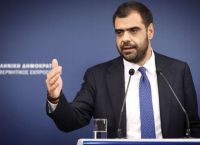
Athens maintains that it is not seeking Turkish permission. Speaking to ERTnews, Tasos Chatzivasileiou stated:
“Greece is the only country competent to authorise the project, and no one else.”
That position provides the political reference point for the next steps. Greece’s challenge is to preserve channels for de-escalation without allowing efforts to prevent a confrontation to become acceptance of additional conditions on survey operations.
This makes the cable a demanding diplomatic exercise. Success will be measured through concrete outcomes: whether the vessel can operate, whether the surveys are completed and whether the construction timetable can move forward.
European funding brings European responsibility
The electricity interconnection extends beyond the relationship between Athens and Ankara. It forms part of Europe’s energy infrastructure planning.
An EU grant of €657 million demonstrates the scale of the European commitment. Its purpose is equally significant: connecting Cyprus to the European electricity grid and ending its electricity isolation.
The European Commission has linked the project to energy system resilience and greater integration of renewable power. It has also acknowledged that the complex geopolitical environment could affect costs and timelines.
That raises a question for Brussels: how effectively can it support the implementation of infrastructure it considers strategically important?
Financing is essential. Political support, coordination among participating states and the ability to address obstacles will help determine whether that funding becomes an operational connection.
Every delay carries a cost
Uncertainty surrounding the cable has consequences beyond diplomacy. It also affects confidence in project delivery.
For a major subsea infrastructure project, operating windows, the deployment of specialised vessels and coordination among contractors have financial significance. A dependable timetable is therefore part of the project’s viability.
For Cyprus, connection to the European grid offers the prospect of greater energy flexibility. It does not automatically guarantee cheaper electricity: the eventual impact will depend on costs, operating arrangements and market conditions.
For Greece, the project strengthens its prospective role as an energy bridge to the eastern Mediterranean. Delivering that role requires infrastructure that is completed and put into operation.
From coordinates to implementation
The next phase concerns surveys preparing the route for cable installation, rather than the immediate laying of the entire interconnector.
Final approvals, issuance of the NAVTEX and the commencement of operations are separate steps, each with its own significance. Until confirmed, the timetable remains conditional.
Chatzivasileiou set out the Greek position on responsibility for issuing the authorisation:
“Once the technical details are completed, the relevant authorisation will be issued exclusively by the Hellenic Republic.”
Source: pagenews.gr
Διαβάστε όλες τις τελευταίες Ειδήσεις από την Ελλάδα και τον Κόσμο