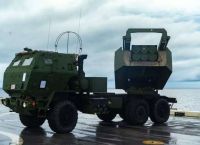
Europe Is Rearming at Record Speed—But Still Can’t Decide Who Belongs in Its Defense Club
 ΧΡΟΝΟΣ ΑΝΑΓΝΩΣΗΣ 5 '
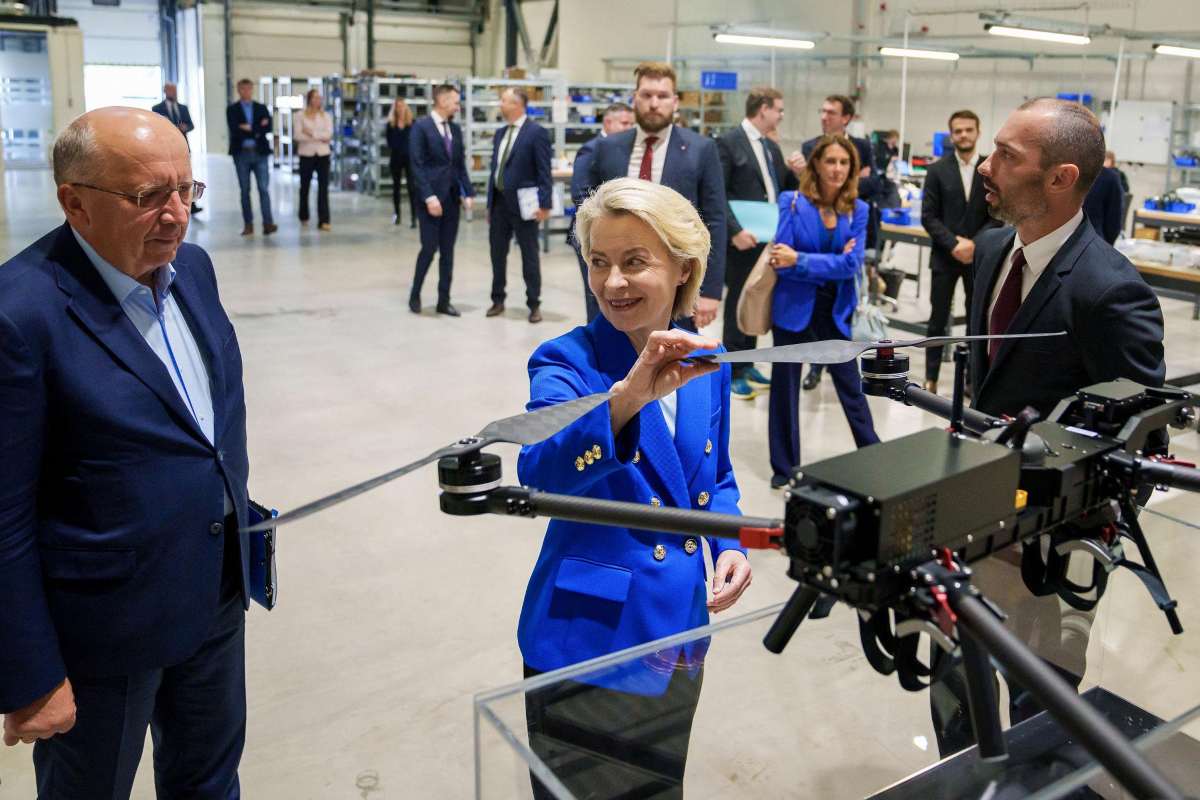
Πηγή Φωτογραφίας: AP Photo//Europe Is Rearming at Record Speed—But Still Can't Decide Who Belongs in Its Defense Club



From Strategic Vision to Industrial Reality
The European Union has entered the most ambitious phase of defense industrial expansion since the end of the Cold War. Russia’s invasion of Ukraine fundamentally altered Brussels’ strategic thinking, transforming defense production from a national responsibility into a shared European priority.
At the center of this transformation is the Security Action for Europe (SAFE) initiative—a €150 billion financing instrument designed not simply to purchase military equipment but to rebuild Europe’s manufacturing capacity, strengthen supply chains and reduce dependence on non-European defense suppliers.
For the first time, the EU is attempting to create a genuinely integrated continental defense-industrial base.
Britain’s Withdrawal Revealed Europe’s Strategic Contradiction
The recent collapse of negotiations between the United Kingdom and the European Union over participation in SAFE was far more than a disagreement over funding.
British officials reportedly rejected a proposal requiring approximately €6 billion for access to the program, while Canada had secured comparable participation for around €10 million.
Foreign Secretary Yvette Cooper summarized London’s position bluntly:
“We only want to be part of arrangements that provide value for money.”
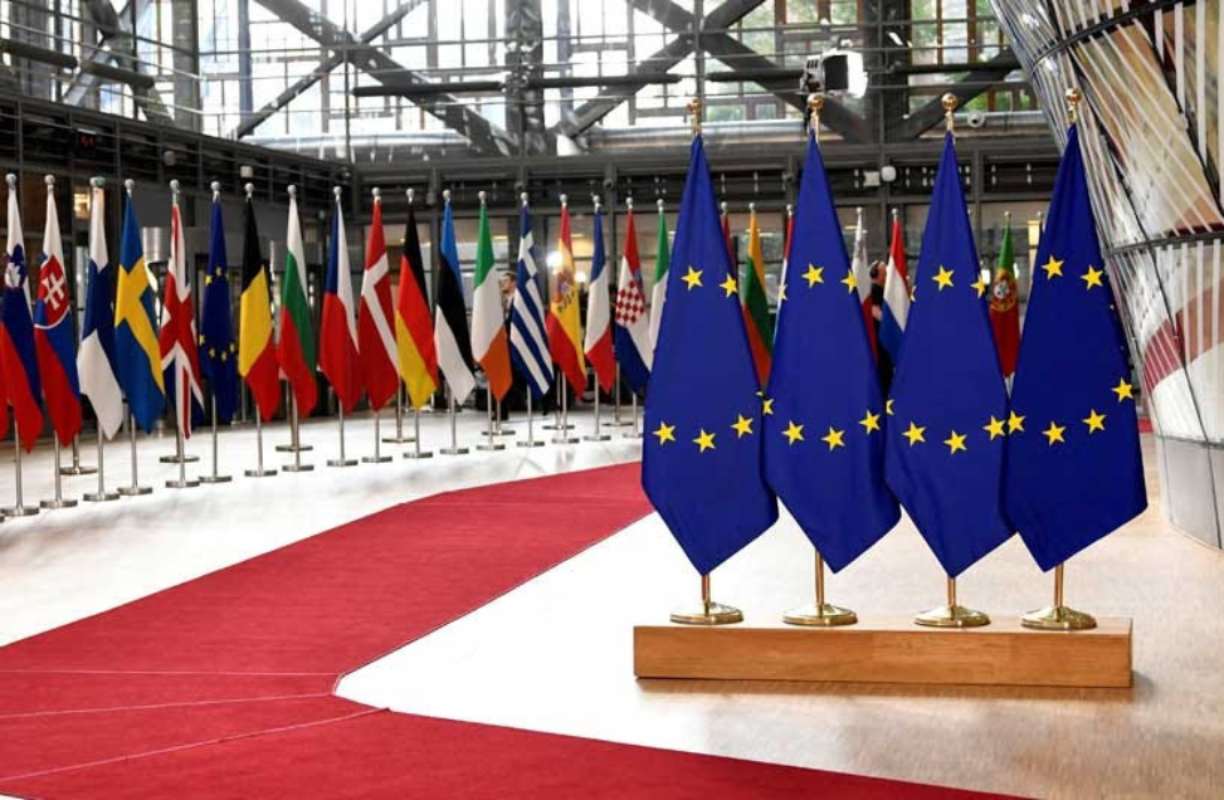
Behind the financial dispute lies a far more consequential strategic question:
Can Europe realistically pursue strategic autonomy while excluding one of the continent’s most capable military powers?
The answer remains politically unresolved.
The 65% Rule Is Reshaping Europe’s Defense Market
SAFE’s industrial philosophy is straightforward.
To qualify for financing, at least 65 percent of a weapon system’s value must originate within the European Union, the European Economic Area or Ukraine.
The objective is clear:
- strengthen European production;
- secure critical supply chains;
- reduce strategic dependence on external manufacturers;
- create new European industrial champions.
Yet the same rule creates difficult political consequences, particularly for countries such as the United Kingdom, whose defense industry remains deeply integrated with Europe despite Brexit.
As Europe strengthens its industrial sovereignty, it simultaneously raises new barriers for close security partners outside the Union.
Nearly €190 Billion Could Transform Europe’s Defense Industry
SAFE represents only one pillar of Brussels’ broader strategy.
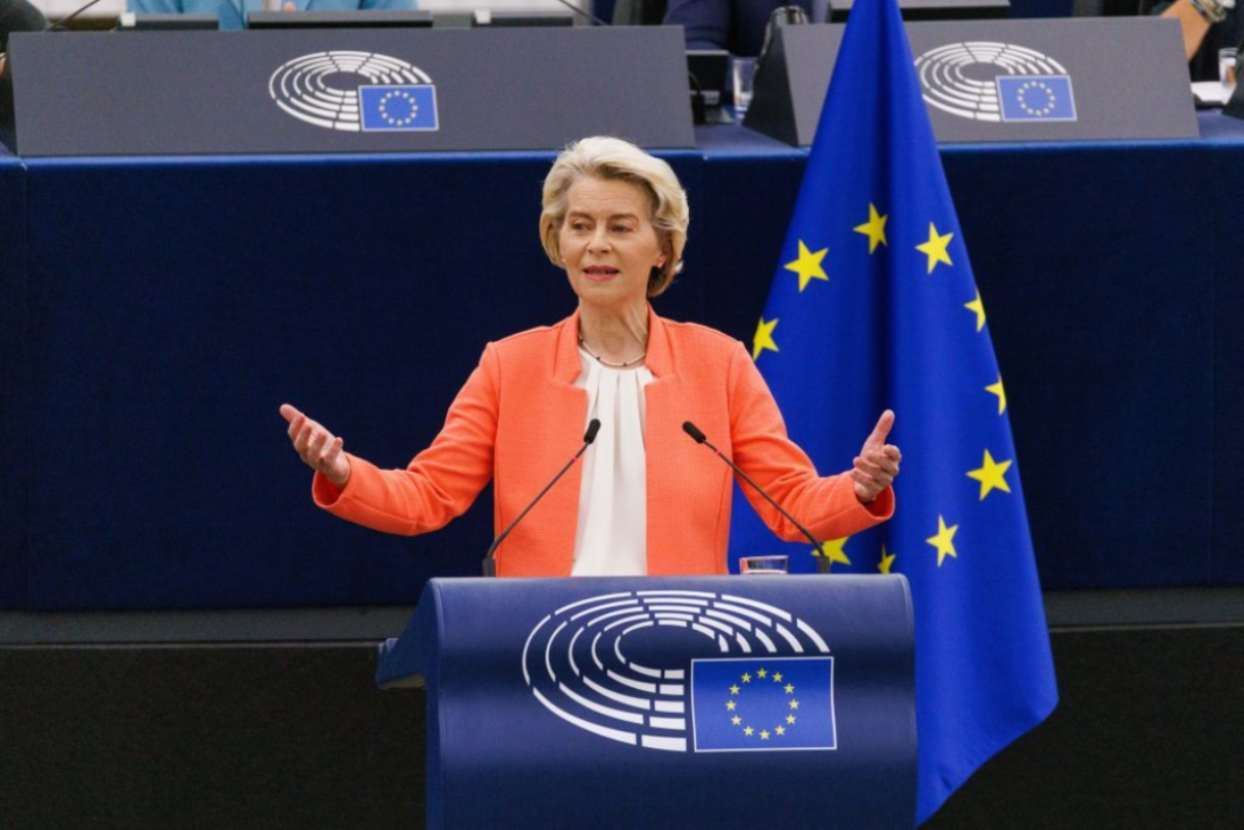
The European Defence Industry Programme (EDIP) contributes an additional €1.5 billion in direct funding, while the European Commission estimates that approximately €190 billion could be mobilized by 2036 through joint European defense initiatives.
Investment is concentrated in five strategic sectors:
- drones and counter-drone technologies;
- air and missile defense;
- maritime and seabed security;
- space capabilities;
- strengthening NATO’s eastern flank.
Ukraine participates in four of these flagship projects, underscoring its growing integration into Europe’s future security architecture even before formal EU membership.
Poland Has Become Europe’s Defense Laboratory
No country better illustrates Europe’s new defense strategy than Poland.
With military spending approaching 4.8 percent of GDP—the highest level in NATO—Warsaw has emerged as both the political and industrial test case for European rearmament.
The central question is no longer whether Europe will spend more on defense.
Instead, policymakers are asking whether these unprecedented investments will create genuinely shared European capabilities or simply produce larger national arsenals operating under a common financial umbrella.
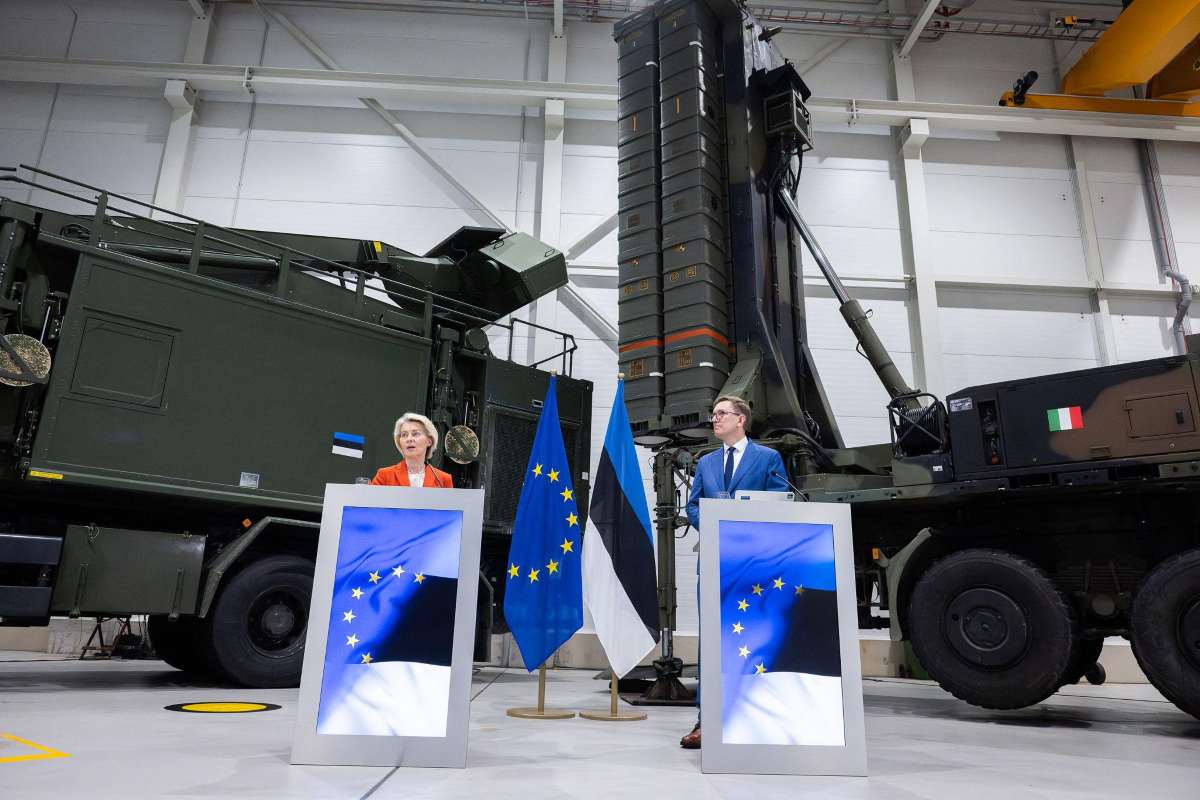
Industrial Expansion Still Faces Operational Gaps
Despite record investment, Europe’s defense capabilities remain uneven.
Germany continues to expand ammunition production, yet reports earlier this year highlighted critically low stocks of air-defense missiles, illustrating the gap between industrial investment and operational readiness.
Timing is becoming increasingly important.
Most EDIP projects are expected to deliver meaningful capabilities between 2028 and 2033, while NATO’s Supreme Allied Commander Europe, General Alexus Grynkewich, has publicly argued that European allies should be prepared to assume primary responsibility for the continent’s defense by 2035.
Bridging that timeline remains one of Europe’s greatest strategic challenges.
SAFE is far more than another European funding mechanism.
It represents the European Union’s most ambitious attempt to transform economic integration into strategic power.
Factories are expanding, production lines are multiplying, and a new generation of European defense companies is beginning to emerge.
Yet the controversy surrounding Britain’s participation highlights a fundamental reality: Europe’s industrial integration is advancing faster than its political consensus.
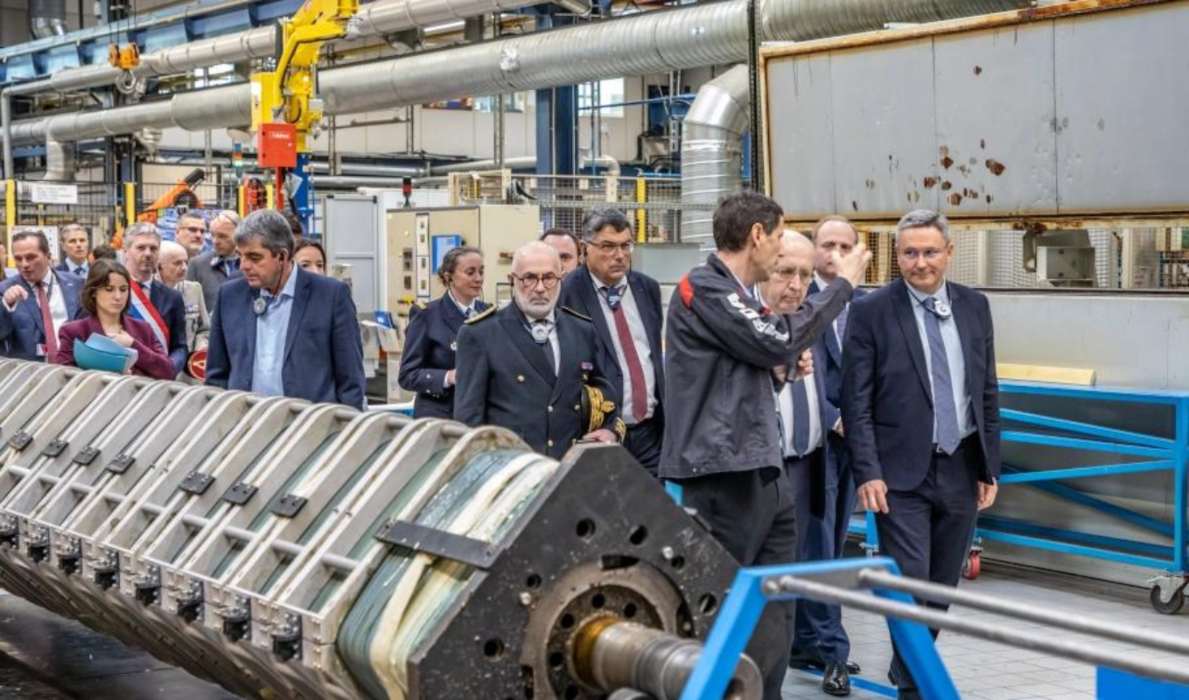
The EU is increasingly capable of financing common defense production, but it has yet to define with equal clarity who belongs inside Europe’s long-term security architecture.
The success of SAFE will therefore depend not only on factories, budgets and procurement, but also on whether Europe’s political leadership can reconcile industrial sovereignty with strategic inclusiveness.
That debate is likely to shape the future of European defense for the next decade.
Διαβάστε όλες τις τελευταίες Ειδήσεις από την Ελλάδα και τον Κόσμο