Wall Street Buys Into Greek Shipping: The Capesize Comeback and Four Greek Bets Riding the Rally
 ΧΡΟΝΟΣ ΑΝΑΓΝΩΣΗΣ 9 '
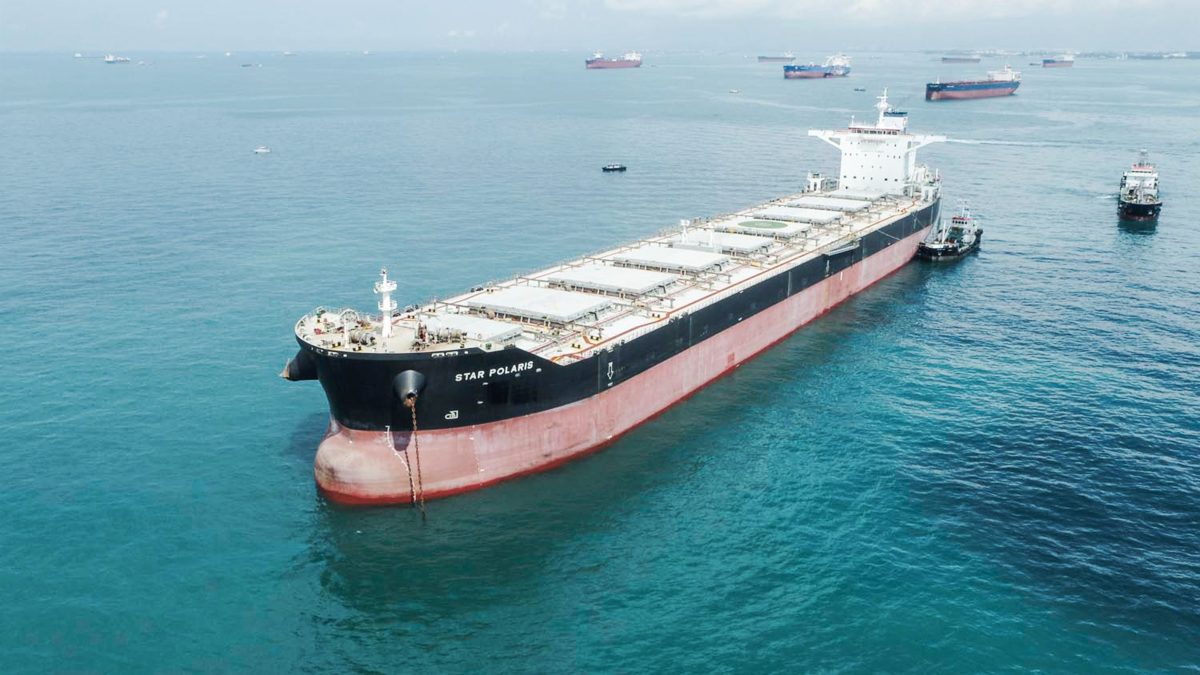
Πηγή Φωτογραφίας: Star Bulk/Wall Street Buys Into Greek Shipping: The Capesize Comeback and Four Greek Bets Riding the Rally



Greek-controlled shipping did more than outperform on Wall Street last week.
It captured investors’ attention across several shipping markets at the same time.
Dry bulk, LPG and tanker stocks all moved higher, with Greek-controlled listed companies among the strongest performers. That makes the latest move more interesting than a conventional sector rally.
This is not a single shipping trade.
Different forces — commodities, energy demand and the geopolitical reshaping of oil flows — are simultaneously supporting different vessel classes.
And Greek shipping has exposure to virtually all of them.
Dry Bulk Is Back — And Wall Street Has Noticed
For much of the recent cycle, tankers dominated the shipping investment narrative.
Exceptional freight rates, geopolitical disruption and longer oil-trading routes made tanker equities one of the most compelling areas of maritime markets.
Now dry bulk is back.
US-listed dry bulk stocks gained an average 7.3% over the week, making them the strongest-performing major shipping segment.
The real trigger, however, came from the physical freight market.
Capesize rates climbed above $50,000 per day, while the Baltic Dry Index reached 3,628 points, its highest level since October 2021.
That matters far more than a simple index move.
When daily Capesize earnings move sharply above operating and cash breakeven levels, the economics of owning the vessel change rapidly.
Shipping has powerful operating leverage: a significant part of every additional dollar in freight revenue above the cost base can flow through to cash generation.
That is why shipping equities can rerate so aggressively when investors believe a stronger freight market has staying power.
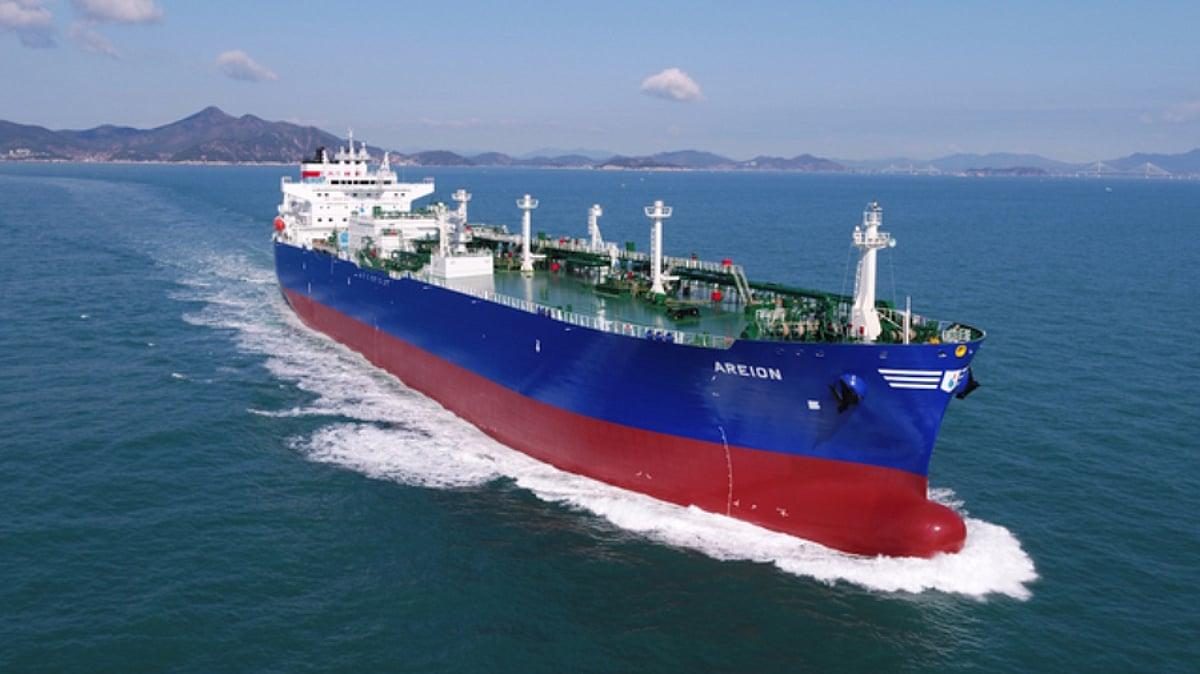
Diana Shipping: Capesize Beta Returns
Diana Shipping, controlled by the Palios family, gained 8.3% during the week and moved back above $3, a level it had not reached for roughly a year.
The timing is important.
As Capesize rates strengthen, investors begin reassessing companies with meaningful exposure to the dry bulk cycle.
Diana therefore becomes more than another Greek-controlled stock participating in a sector rally.
It offers investors direct listed exposure to the recovery in physical dry bulk markets.
If stronger Capesize earnings persist, the focus will increasingly shift from freight indices to what those rates can mean for fleet-level cash generation.
Star Bulk: The Shipping Rally Meets Athens
Petros Pappas-led Star Bulk Carriers gained 6.4% over the week.
But Star Bulk has an additional catalyst.
The company is pursuing a parallel listing on Euronext Athens alongside its US presence, accompanied by an offering of 4.4 million new common shares.
That makes the timing particularly interesting.
Star Bulk is broadening its capital-markets footprint just as the dry bulk market is regaining momentum.
There is also a wider significance for Athens.
Greece is the world’s leading shipowning nation, yet the global capital-markets home of Greek shipping has historically been New York rather than Athens.
A major international shipping name expanding its presence in the Greek market helps narrow that gap and could deepen the connection between Greece’s shipping industry and its domestic capital market.
Dorian LPG: The Week’s Biggest Shipping Winner
The strongest share-price performance among the shipping stocks tracked came from another Greek-controlled company.
Dorian LPG, led by John and Alex Hadjipateras, surged 10.9%.
Its story is different from dry bulk.
Dorian operates in a market benefiting from large-scale seaborne LPG movements and long-distance energy trade, while simultaneously investing in the next generation of its fleet.
The company has confirmed orders for three 90,000-cubic-metre VLGCs at South Korea’s Hanwha Ocean.
The strategy therefore works on two time horizons.
Dorian is positioned to benefit from current market strength while committing capital to vessels designed to participate in the next phase of the LPG cycle.
Okeanis: The Crude Tanker Trade Is Still Alive
Okeanis Eco Tankers, controlled by the Alafouzos family, gained 7% during the week.
Dry bulk may have stolen the spotlight, but tankers remain firmly in the game.
Listed crude tanker companies advanced by an average 5.5%, while product tanker stocks gained around 6.6%.
The underlying tanker story continues to be driven by something bigger than short-term fluctuations in oil demand.
It is being shaped by the changing geography of global energy trade.
Geopolitics Has Become a Freight-Rate Variable
Wars, sanctions and geopolitical tensions across the Middle East and the Russia-Ukraine axis continue to alter the routes through which oil and energy products move around the world.
For shipping, the critical variable is not simply how many barrels are transported.
It is how far every barrel has to travel.
When sanctions, trade restrictions or geopolitical fragmentation force cargoes onto longer routes, ton-mile demand increases.
A tanker is occupied for longer.
Effective vessel availability tightens.
And freight rates can strengthen even without a comparable increase in global oil consumption.
This is why shipping has become one of the most direct market mechanisms through which geopolitical disruption can be monetised.
A political decision made thousands of miles away can change a vessel’s voyage, increase ton-mile demand and ultimately alter a shipowner’s cash flow.
The Bigger Story: Three Shipping Markets Are Working at Once
This is what makes the Greek performance particularly interesting.
Diana Shipping and Star Bulk provide exposure to dry bulk.
Dorian LPG provides exposure to VLGCs.
Okeanis Eco Tankers provides exposure to crude tankers.
They are not rising because four Greek-controlled companies happened to participate in the same market rally.
They are benefiting from different economic forces.
Dry bulk reflects demand for commodities such as iron ore and coal and, more broadly, global industrial activity.
LPG reflects changing energy demand and the long distances between major producing and consuming regions.
Crude tankers capture both global oil flows and the geopolitical reorganisation of those flows.
That gives Greek listed shipping something increasingly valuable: natural diversification across several maritime cycles.
Why $50,000 Capesize Rates Change the Mathematics
The key variable to watch now is not whether Capesize rates can briefly trade above $50,000.
It is how long they can remain elevated.
Shipping companies have substantial operating leverage.
The cost of operating a vessel does not increase by $10,000 simply because its daily freight rate rises by $10,000.
Once rates move comfortably above a shipowner’s cash breakeven, additional freight revenue can therefore have an outsized impact on free cash flow.
That can translate into stronger earnings, balance-sheet flexibility, dividends or additional investment.
It also explains the speed with which shipping equities can rally when investors begin pricing in a stronger freight cycle.
The reverse, of course, is equally important.
Shipping remains intensely cyclical. If spot rates fall sharply, the equity premium can disappear just as quickly.
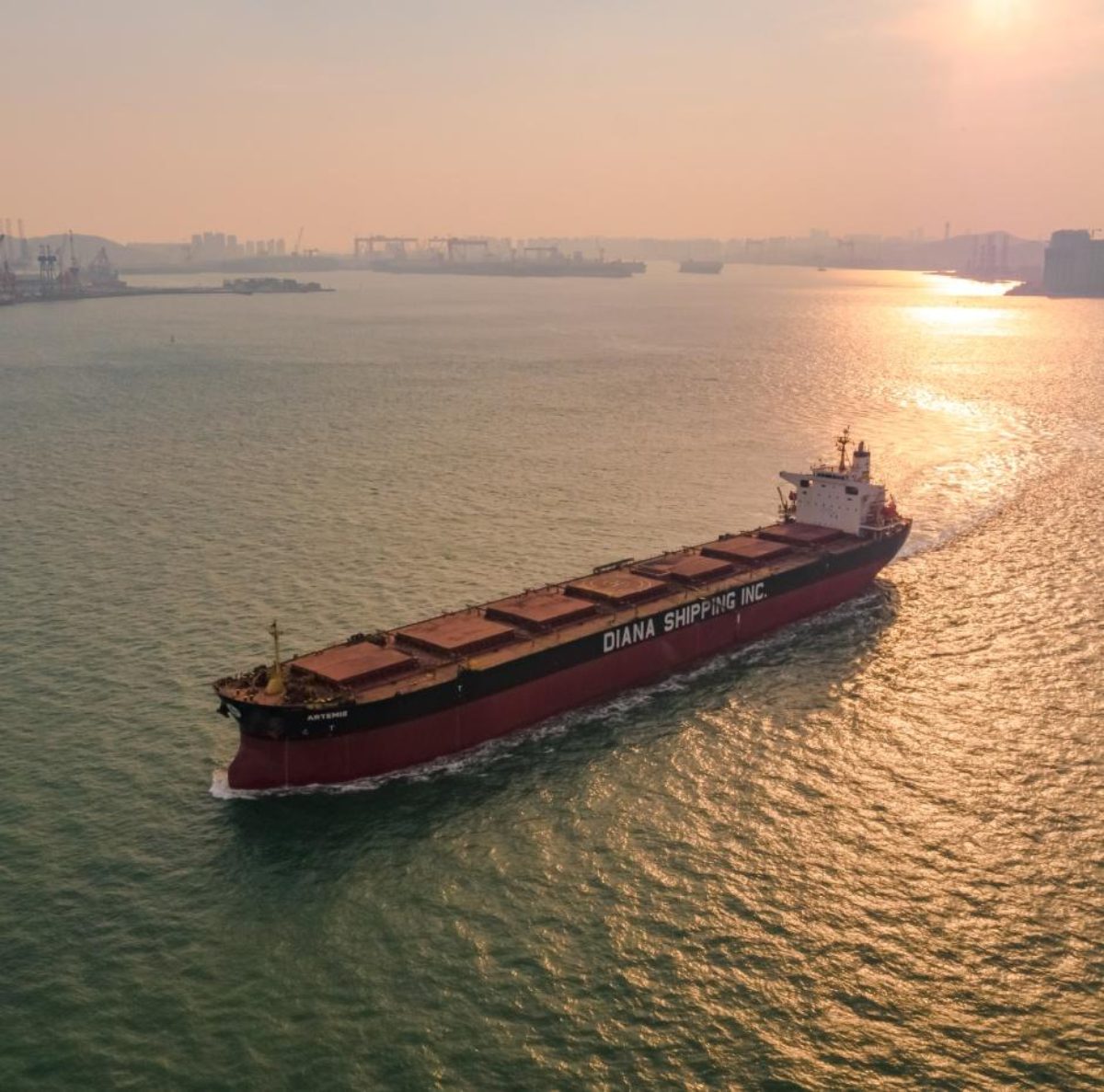
Shipping Rose While the S&P 500 Slipped
Another detail makes the week particularly notable.
All 21 shipping stocks tracked by TradeWinds finished higher, producing an average gain of 5.7%, while the S&P 500 edged lower.
That suggests this was not simply a broad Wall Street risk-on move.
Investors were specifically buying shipping.
And Greek-controlled companies captured a disproportionate share of that momentum.
From Piraeus to Wall Street: Greek Shipping as a Global Asset Class
For decades, the power of Greek shipping has primarily been measured in vessels, deadweight tonnage and share of the global fleet.
The latest market moves highlight another dimension.
Greek shipping companies have also become listed investment vehicles through which international capital can gain exposure to some of the most important forces reshaping the global economy.
Commodities through bulk carriers.
LPG through VLGCs.
Oil and geopolitics through tankers.
Star Bulk’s move toward Athens adds another layer, potentially strengthening the bridge between the world’s largest shipowning community and Greece’s own capital market.
The latest rally therefore says something broader than “Greek shipping stocks had a good week.”
Greek shipping does not have one bet on the new map of global trade. It has several — and right now, more than one of them is paying at the same time.
Source: Pagenews.gr
Διαβάστε όλες τις τελευταίες Ειδήσεις από την Ελλάδα και τον Κόσμο