Trump Unveils Up to 200% Tariffs on Imported Generic Drugs, Escalating Global Trade Tensions
 ΧΡΟΝΟΣ ΑΝΑΓΝΩΣΗΣ 5 '
Πηγή Φωτογραφίας: AP Photo//Trump Unveils Up to 200% Tariffs on Imported Generic Drugs, Escalating Global Trade Tensions



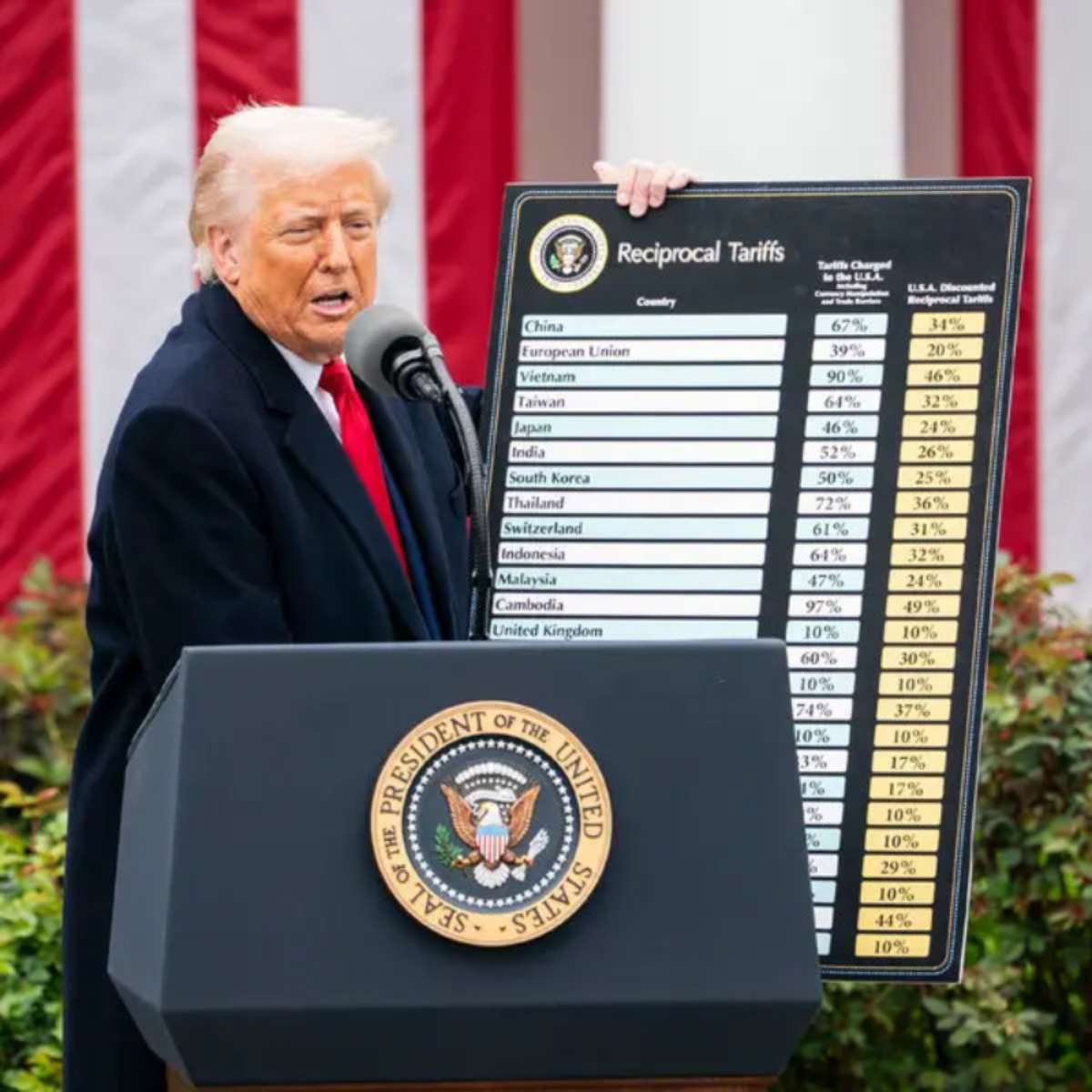
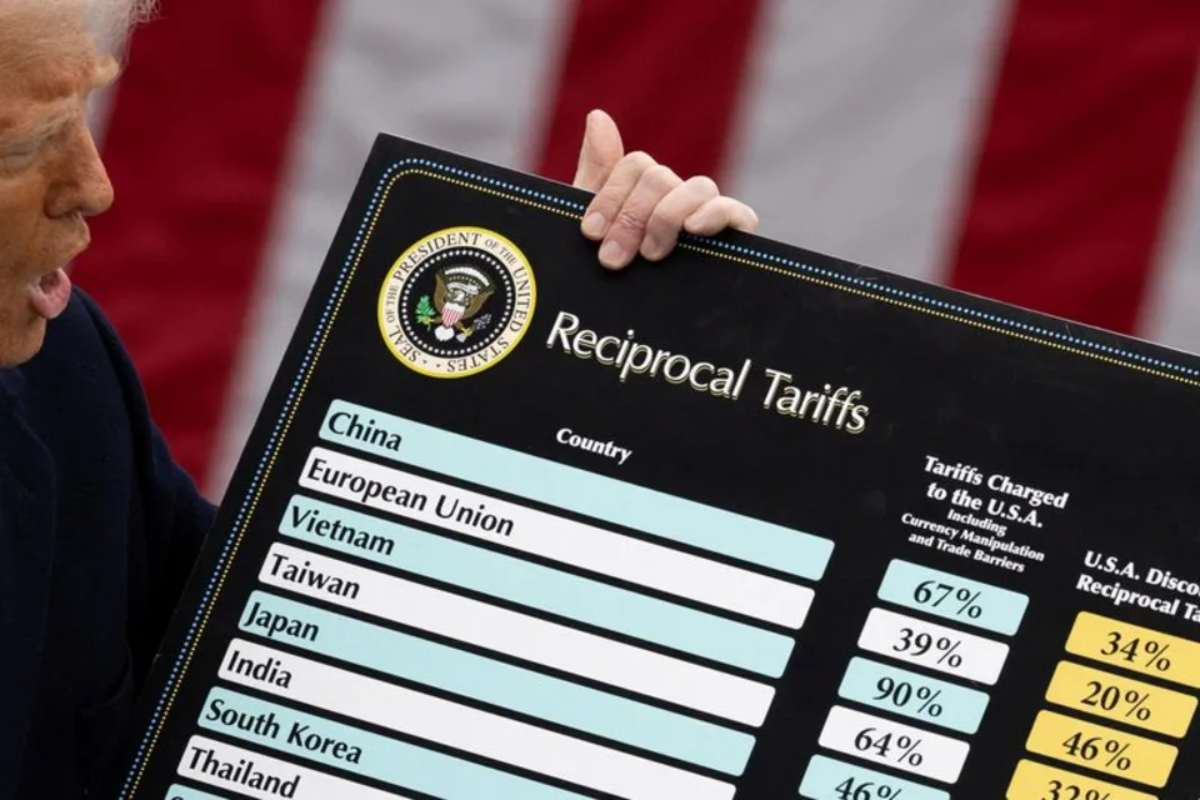
U.S. President Donald Trump has opened a new front in his trade agenda, announcing plans to impose tariffs of up to 200% on imported generic pharmaceuticals, significantly escalating pressure on global drug manufacturers while reinforcing his administration’s push to restore domestic industrial production.
According to Trump’s announcement on Truth Social, imported generic medicines will continue to enter the United States duty-free during a two-year transition period. Beginning in August 2028, however, imports will face a 100% tariff, which is expected to increase to 200% one year later unless manufacturers relocate production to the United States. The proposal marks one of the most aggressive trade measures ever directed at the pharmaceutical sector.
Reshoring America’s Pharmaceutical Industry
The White House argues that the initiative is designed to reduce America’s dependence on foreign pharmaceutical manufacturing and strengthen domestic supply chains.
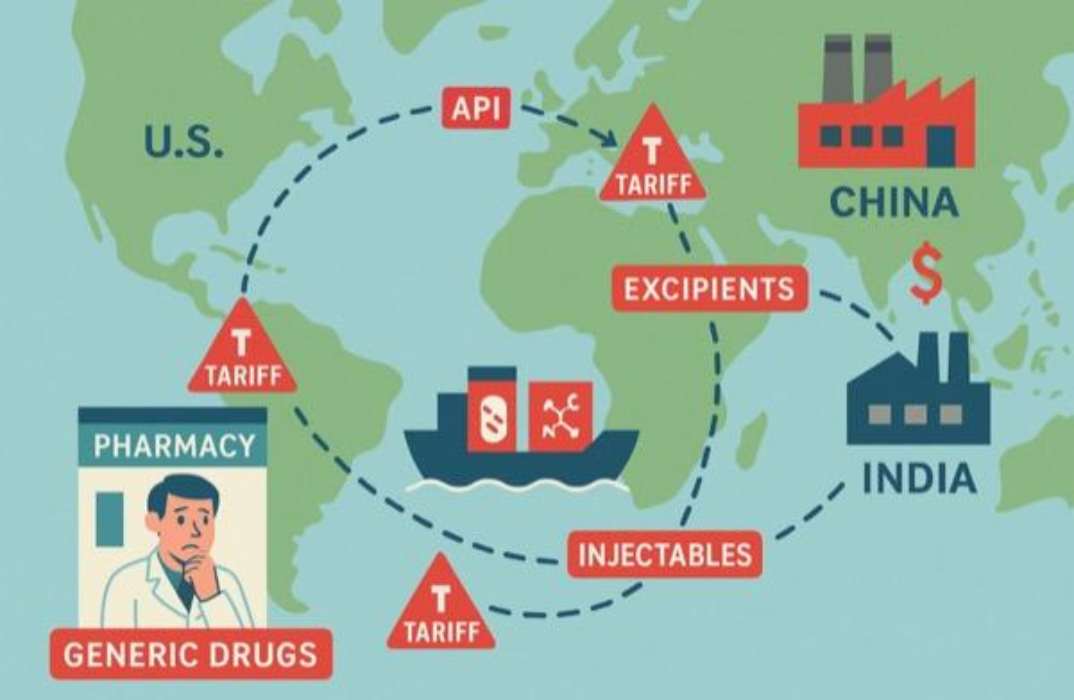
Today, the overwhelming majority of generic medicines consumed in the United States are manufactured overseas, with India and China playing dominant roles in the global production of both finished medicines and active pharmaceutical ingredients (APIs).
Generics account for roughly 90% of all prescriptions dispensed in the United States, making them a critical component of the country’s healthcare system. The administration believes that encouraging companies to manufacture domestically will improve national resilience during future geopolitical crises or public health emergencies.
The message from Washington is straightforward: invest in American manufacturing or face significantly higher import costs.
Another Step in Trump’s Protectionist Strategy
The pharmaceutical tariffs are part of a broader economic strategy that has already seen new duties imposed on steel, aluminum, automobiles and a wide range of imported goods.
Trump has repeatedly argued that tariffs are not merely trade tools but instruments of industrial policy, intended to rebuild American manufacturing, create jobs and reduce strategic dependence on overseas suppliers.
The latest announcement extends that philosophy into one of the world’s most strategically important industries.
Concerns Over Rising Healthcare Costs
While the tariffs are scheduled to take effect after a transition period, economists and healthcare experts warn that markets may begin pricing in the expected impact well before implementation.
Generic drug manufacturers will face difficult choices:
- relocate manufacturing facilities to the United States;
- absorb higher operating costs;
- diversify production across new markets; or
- pass additional costs on to wholesalers, insurers and ultimately patients.
Because generic medicines typically operate on extremely thin profit margins, many analysts believe the latter may prove unavoidable, potentially increasing pharmaceutical costs across the U.S. healthcare system.
Global Pharmaceutical Companies Reassess Investment Plans
The announcement has prompted immediate attention from international pharmaceutical companies with significant exposure to the U.S. market.
Several major generic drug manufacturers have indicated they will seek clarification regarding the implementation timeline and regulatory framework before making long-term investment decisions.
At the same time, industry analysts expect renewed interest in expanding manufacturing capacity within the United States as companies attempt to avoid future tariff exposure.
Supply Chains Face Fresh Disruption
The pharmaceutical industry is among the world’s most globally integrated manufacturing sectors.
Active ingredients, formulation, packaging and distribution frequently occur across multiple countries before medicines reach consumers.
As a result, tariffs of this magnitude could trigger:
- restructuring of global pharmaceutical supply chains;
- relocation of manufacturing investment;
- higher production costs;
- increased pressure on international suppliers; and
- renewed trade tensions between Washington and major exporting nations.
Countries such as India, one of the world’s largest producers of generic medicines, are expected to be among the most affected if the proposal moves forward.
Economic Policy Meets Geopolitics
Beyond its commercial implications, the proposal reflects a broader shift in U.S. economic strategy.
The Trump administration increasingly views trade policy as a matter of national security, particularly in industries considered essential to public health and critical infrastructure.
By encouraging domestic production of pharmaceuticals, Washington aims to reduce strategic vulnerabilities while strengthening America’s industrial base.
However, the policy also carries significant risks. If manufacturers choose not to relocate production, higher tariffs could ultimately translate into higher drug prices, renewed inflationary pressures and additional strain on healthcare budgets.
A Defining Test for the Global Pharmaceutical Industry
Trump’s tariff proposal signals that the pharmaceutical sector may become the next major battleground in global trade policy.
Whether the strategy succeeds in bringing manufacturing back to the United States—or instead results in higher costs, disrupted supply chains and new trade disputes—will depend on how multinational pharmaceutical companies respond over the coming years.
For global markets, the announcement serves as another reminder that trade policy has become one of the defining instruments of modern geopolitical competition, with consequences extending far beyond customs duties into healthcare, investment and international economic stability.
Source: pagenews.gr
Διαβάστε όλες τις τελευταίες Ειδήσεις από την Ελλάδα και τον Κόσμο