Greece Tightens Tourism Rules with New Spatial Planning Framework
 ΧΡΟΝΟΣ ΑΝΑΓΝΩΣΗΣ 3 '
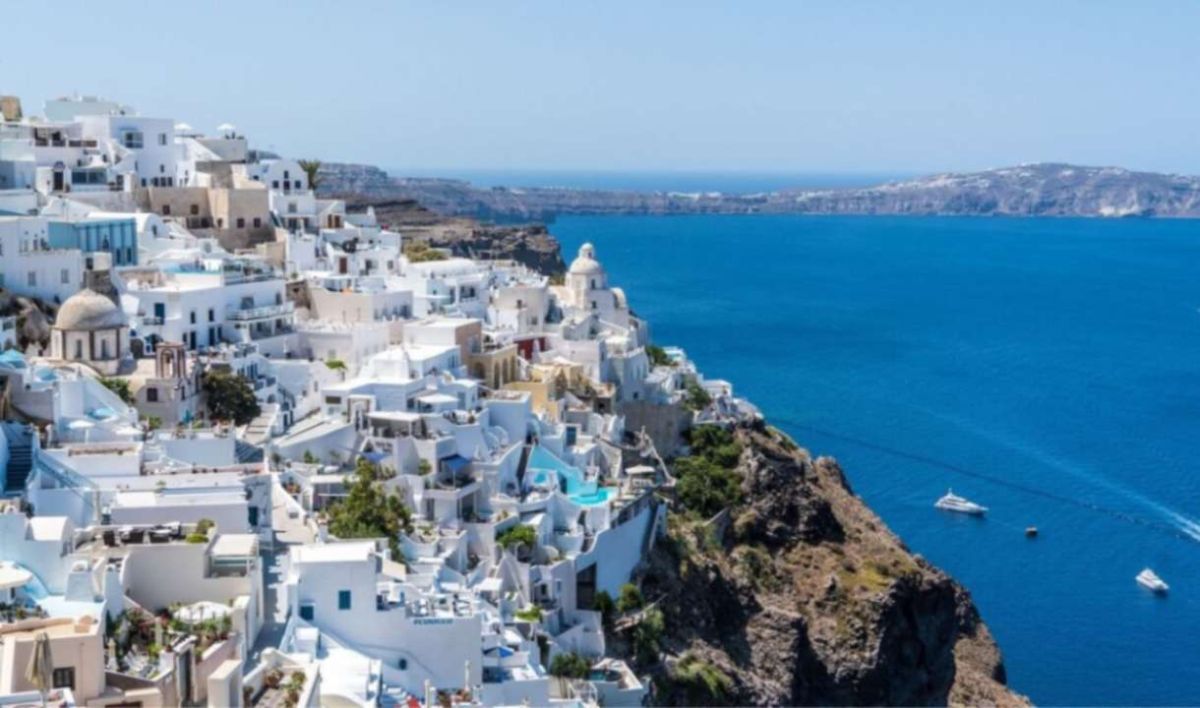
Πηγή Φωτογραφίας: pixabay//Greece Tightens Tourism Rules with New Spatial Planning Framework



A major reform for sustainable tourism
Greece is entering the final stage of approving its Special Spatial Planning Framework for Tourism, one of the country’s most significant environmental and land-use reforms in recent years.
Following an extensive consultation process, the framework has been submitted to the political leadership of the Ministry of Environment and Energy before the issuance of the Joint Ministerial Decision. The reform also represents an important milestone under Greece’s Recovery and Resilience Facility (RRF) commitments.
Rather than promoting unrestricted tourism expansion, the new framework shifts policy toward sustainable development, environmental protection, and carrying-capacity management.
Restrictions for overcrowded destinations
One of the most significant provisions prohibits new strategic tourism developments through special planning mechanisms in Greece’s most heavily developed and environmentally stressed islands.
The proposal seeks to protect destinations such as Mykonos, Santorini, Corfu, Rhodes and Paros, where tourism growth has placed increasing pressure on water resources, infrastructure, housing and natural ecosystems.
The measure also responds to concerns that special investment schemes previously enjoyed planning advantages over conventional tourism projects.
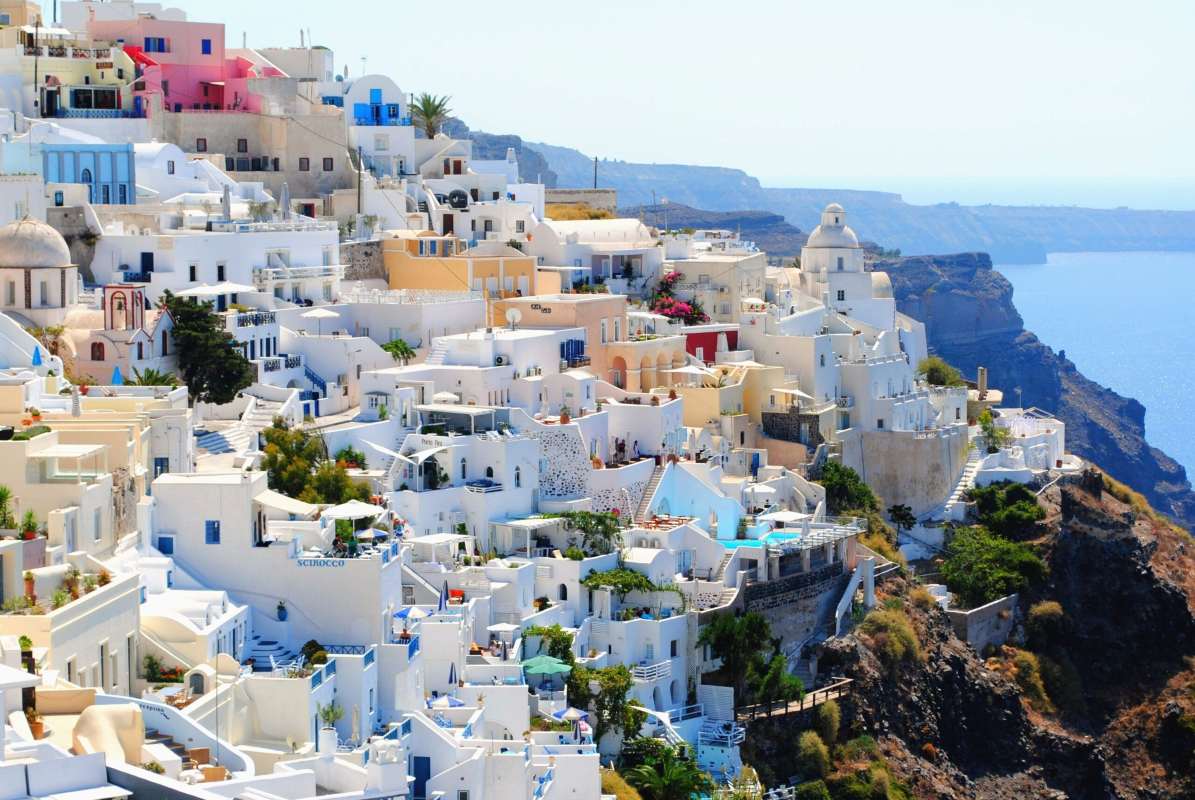
350-bed limit and stronger coastal protection
The draft framework introduces several new planning safeguards:
- a maximum capacity of 350 beds for new hotel developments in mature and saturated tourism destinations;
- a mandatory minimum setback of 25 metres from the coastline for all new tourism facilities;
- stricter land-use requirements designed to reduce construction density and preserve coastal landscapes.
These measures align with broader European objectives on climate adaptation, coastal resilience and biodiversity conservation.
Short-term rentals remain outside destination classification
The framework also addresses the rapidly expanding short-term rental market.
Accommodation offered through platforms such as Airbnb will not be included when determining whether a destination is classified as developing, mature or saturated for spatial planning purposes.
Authorities concluded that including short-term rental capacity would fundamentally alter the planning methodology, although such accommodation may still be considered during local urban planning assessments.
A new classification for Greece’s tourism destinations
The framework classifies 1,035 municipal units into five development categories:
- Controlled Development Areas (saturated destinations)
- Mature Tourism Areas
- Developing Tourism Areas
- Early-stage Tourism Areas
- Special Development Support Areas
The objective is to tailor planning policies according to each destination’s environmental capacity, infrastructure and development potential rather than applying uniform rules nationwide.
Environmental and Policy Perspective
Tourism contributes approximately 25% of Greece’s GDP directly and indirectly, while the country welcomed more than 36 million international visitors in 2025. These figures underline the growing challenge of balancing economic growth with environmental sustainability.
The new framework reflects key European policy priorities, including the European Green Deal, the EU Biodiversity Strategy 2030, and the Strategic Environmental Assessment Directive (2001/42/EC). By introducing tighter planning controls, limiting overdevelopment in saturated destinations and strengthening coastal protection, Greece aims to shift from a model based on volume toward one focused on quality, resilience and sustainable tourism development.
Source: pagenews.gr
Διαβάστε όλες τις τελευταίες Ειδήσεις από την Ελλάδα και τον Κόσμο