Mecca Defence Pact Reshapes the Region: Ankara Says NATO Was Briefed, Brussels Signals Support
 ΧΡΟΝΟΣ ΑΝΑΓΝΩΣΗΣ 9 '
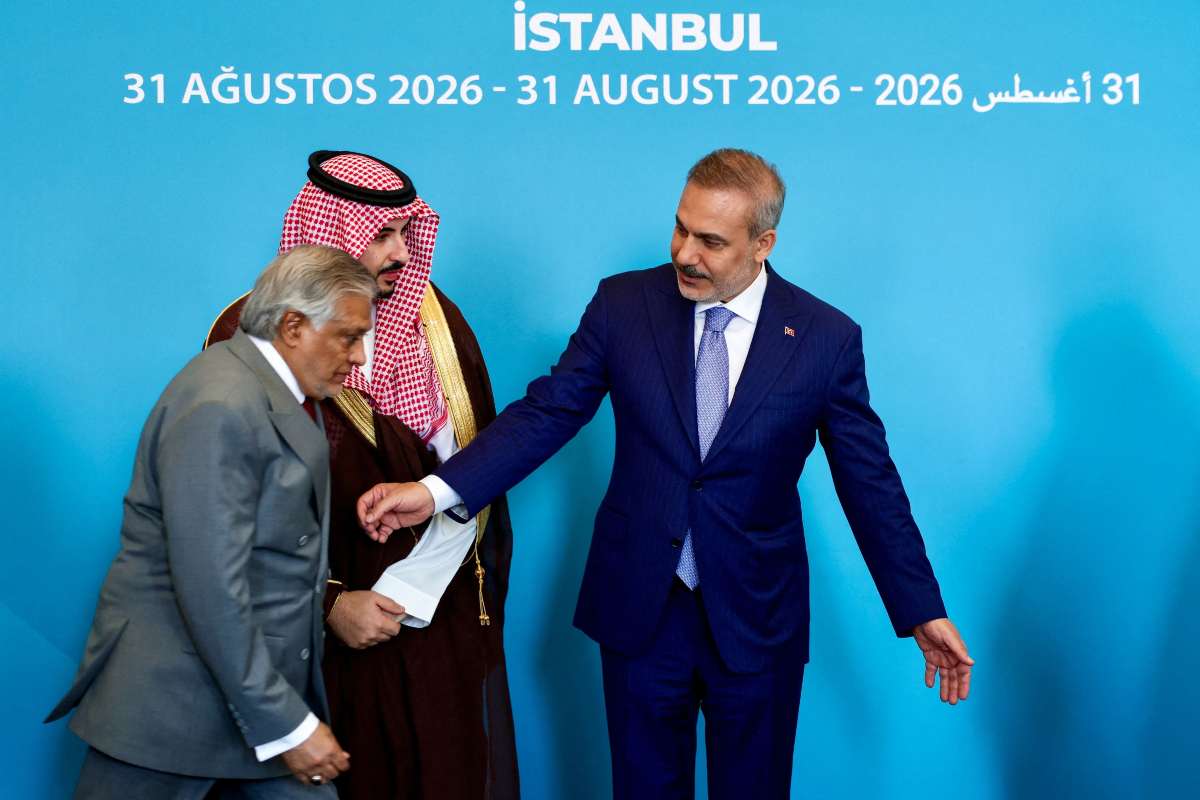
Πηγή Φωτογραφίας: AP Photo//Mecca Defence Pact Reshapes the Region: Ankara Says NATO Was Briefed, Brussels Signals Support



A new strategic equation is taking shape across the Middle East, with implications that extend well beyond the Gulf.
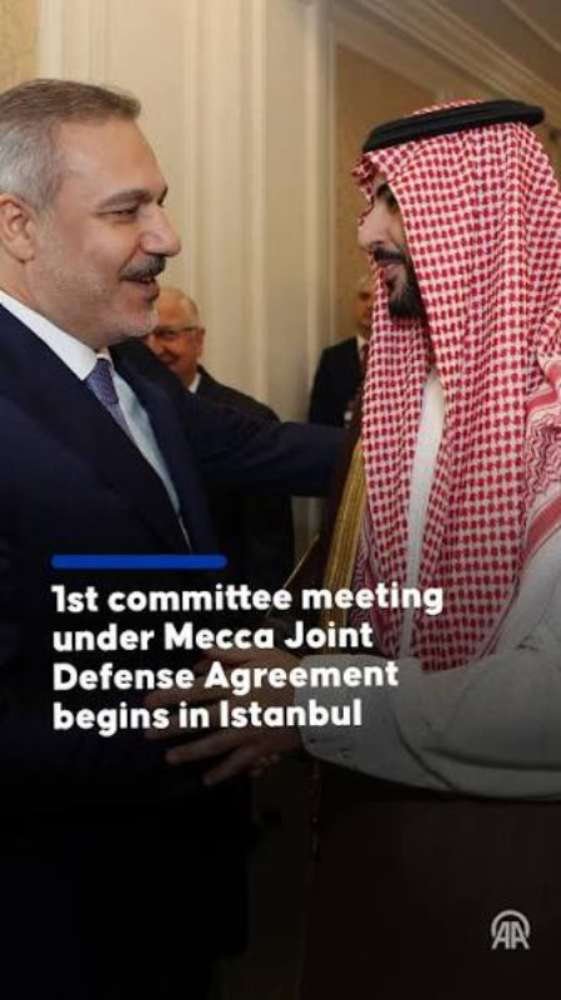
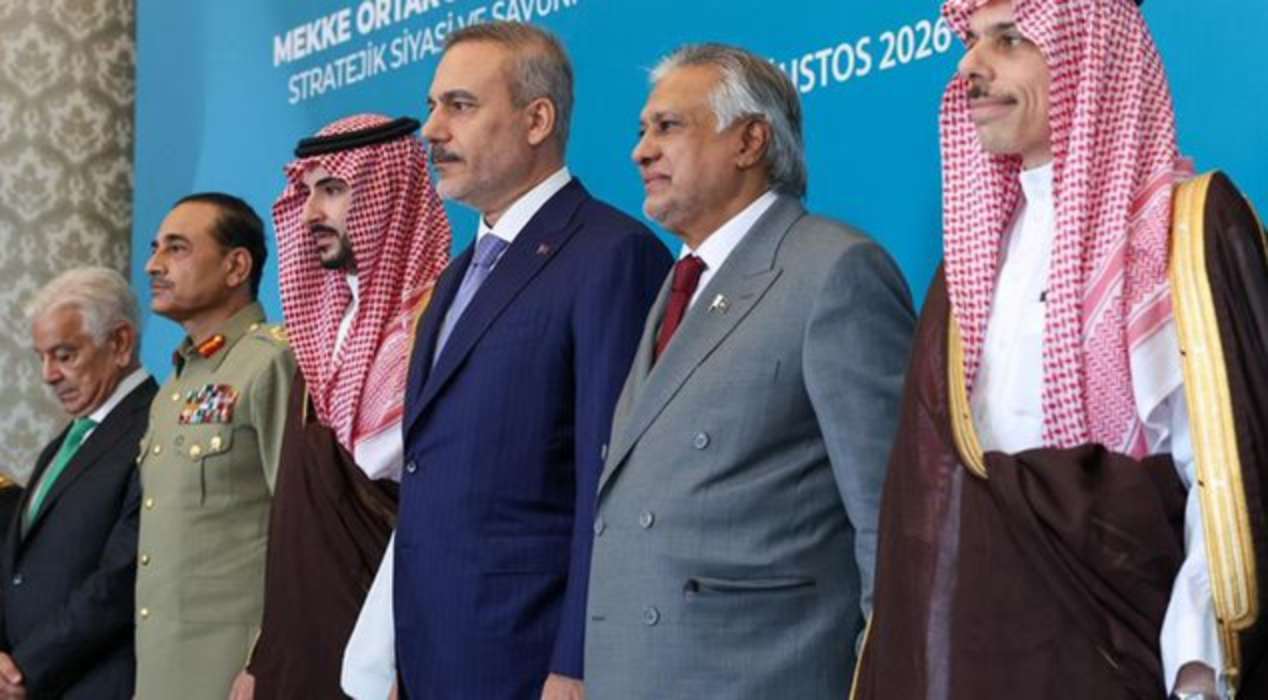
The Mecca Mutual Defence Agreement between Turkey, Saudi Arabia and Pakistan is no longer simply a political declaration. It is evolving into a structured security framework with mechanisms for military coordination, defence-industrial cooperation and mutual assistance in the event of an armed attack.
And Ankara is now sending a clear message to the West: the pact is not intended to compete with NATO.
Turkish diplomatic sources told Euractiv that NATO allies had been informed ahead of the agreement and argued that the initiative should be seen as complementary to NATO and EU efforts.
“The initiative is purely defensive in nature and is intended to promote a culture of cooperation across the region,” Turkish diplomatic sources said.
According to Ankara, the agreement should contribute to stability and peace in the Middle East rather than create a rival security architecture.
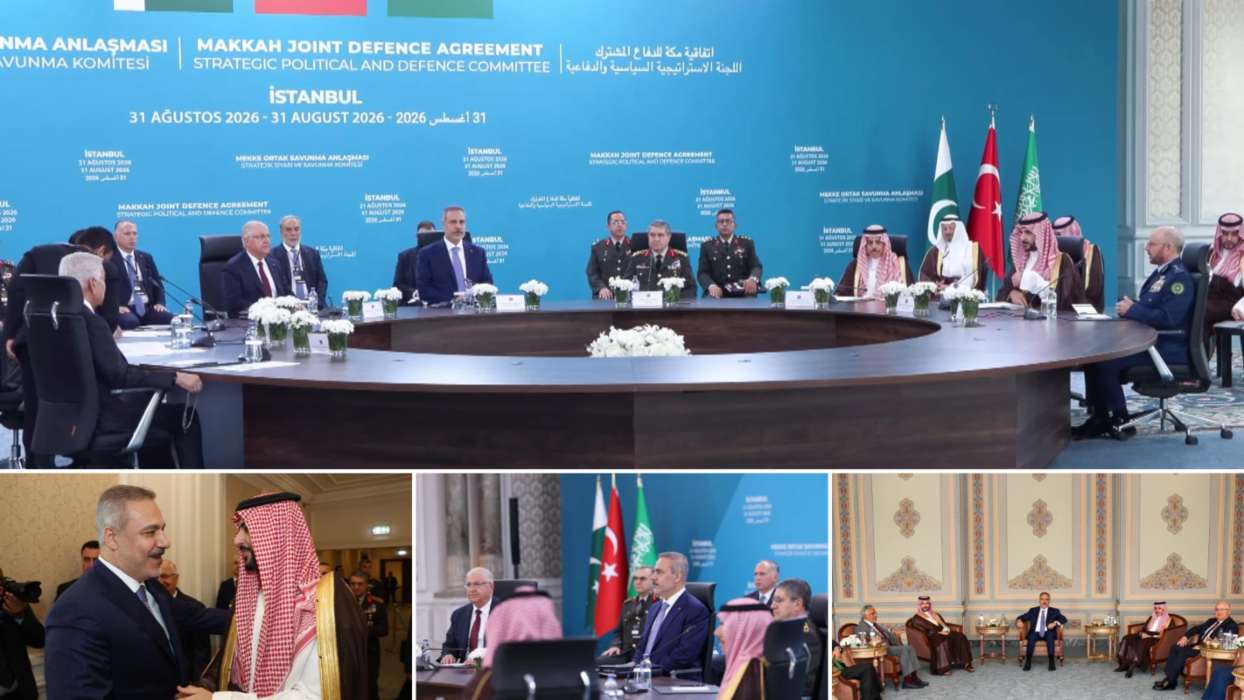
Brussels Was Not Briefed — Ankara Says NATO Allies Were
The most politically sensitive detail is the difference between what Brussels says and what Ankara claims.
EU officials told Euractiv that the European Commission had not been formally briefed before the agreement was signed.
Turkey, however, says NATO allies were informed.
That distinction matters.
Formal notification to EU institutions is not the same as consultations between NATO governments or within alliance channels.
NATO itself did not confirm the Turkish claim to Euractiv.
For that reason, the safest conclusion is that Ankara is seeking to reassure its Western partners that the pact does not represent a break with the Atlantic alliance.
A Defence Pact With Collective-Defence Logic
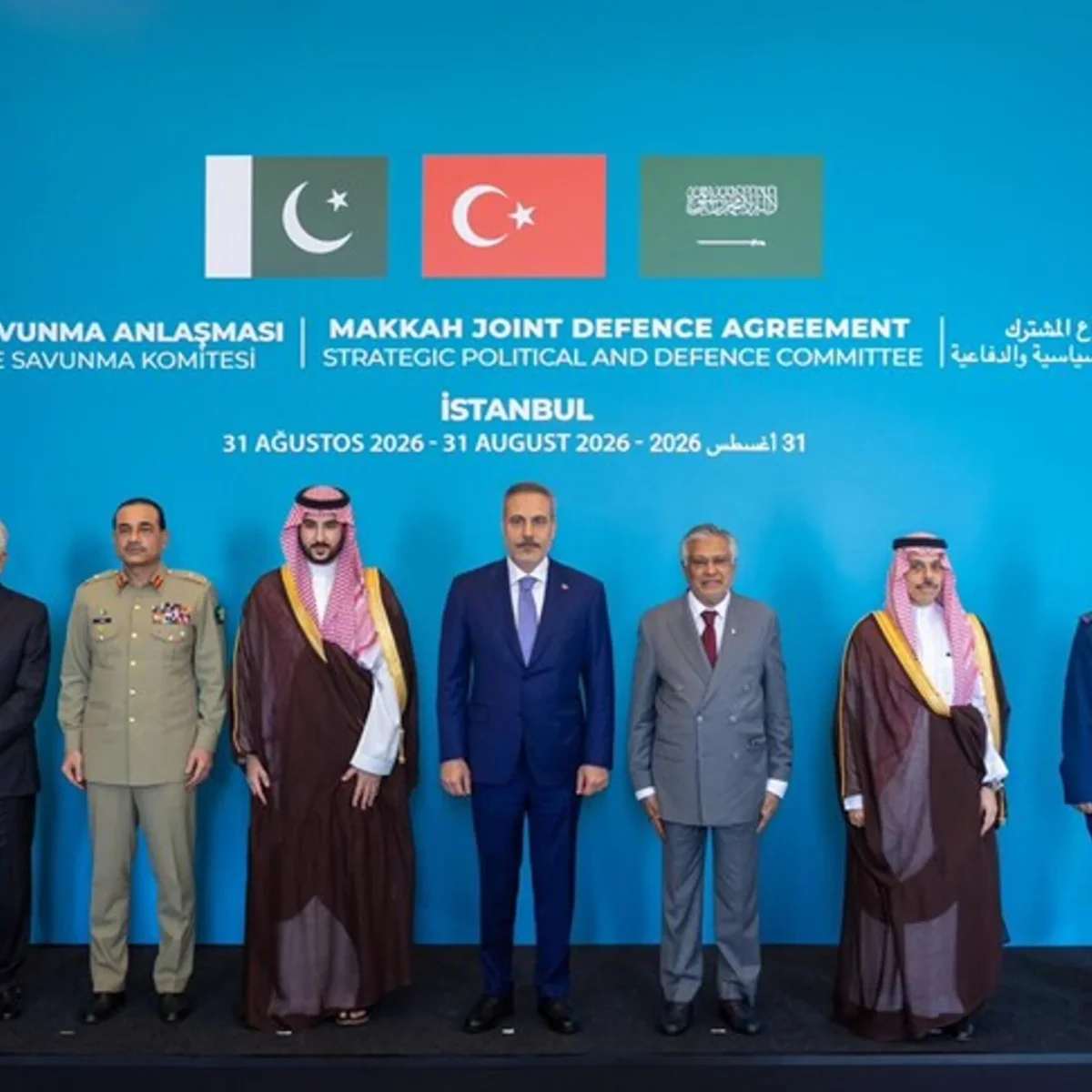
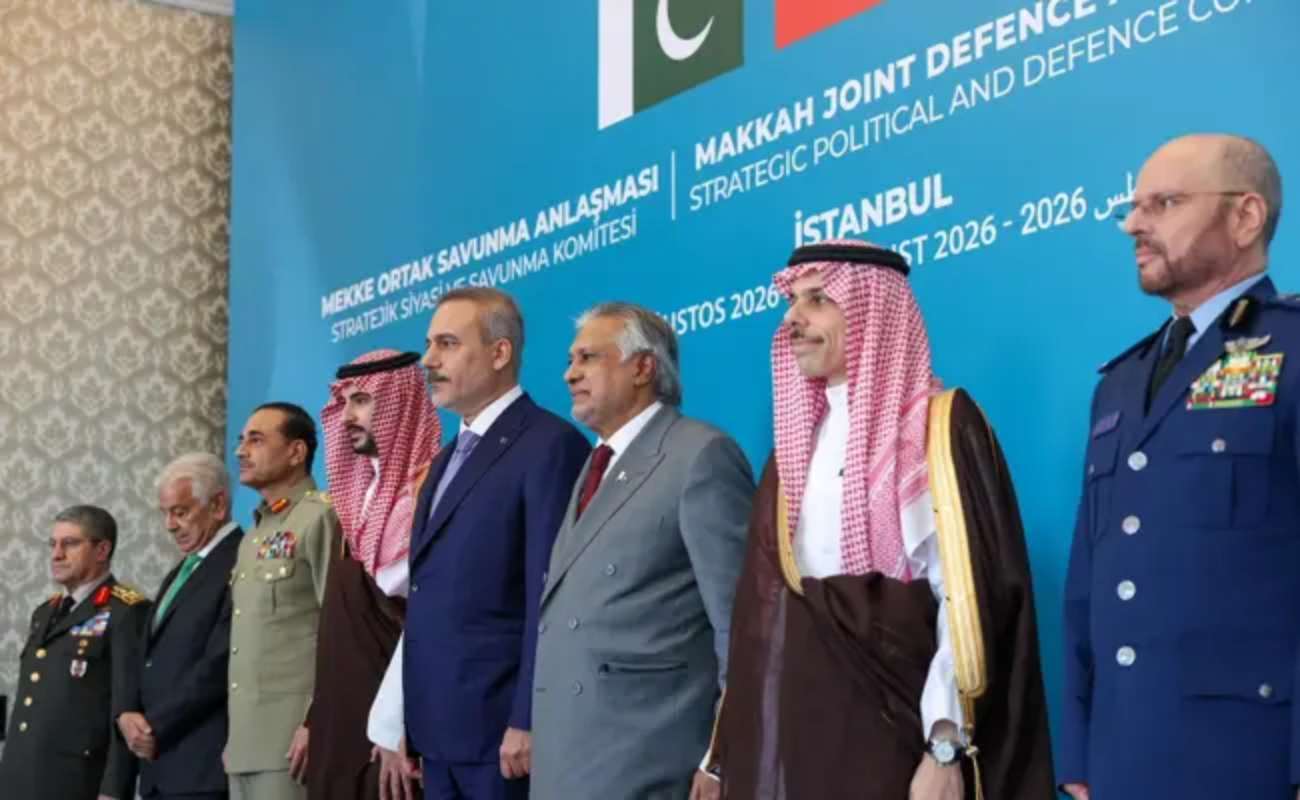
The agreement, signed in Mecca on August 7, brings together three major military actors.
Turkey has NATO’s second-largest army.
Saudi Arabia is one of the Gulf’s most powerful states and one of the world’s largest defence spenders.
Pakistan is the only Muslim-majority country with nuclear weapons.
The pact includes a mutual-defence provision under which an armed attack against one signatory would trigger military support from the others.
Turkish Foreign Minister Hakan Fidan has described the arrangement as technically comparable in logic to NATO’s Article 5, although the mechanisms, obligations and command structures remain very different.
The Mecca agreement is therefore not a “second NATO.”
But it clearly carries a collective-deterrence dimension.
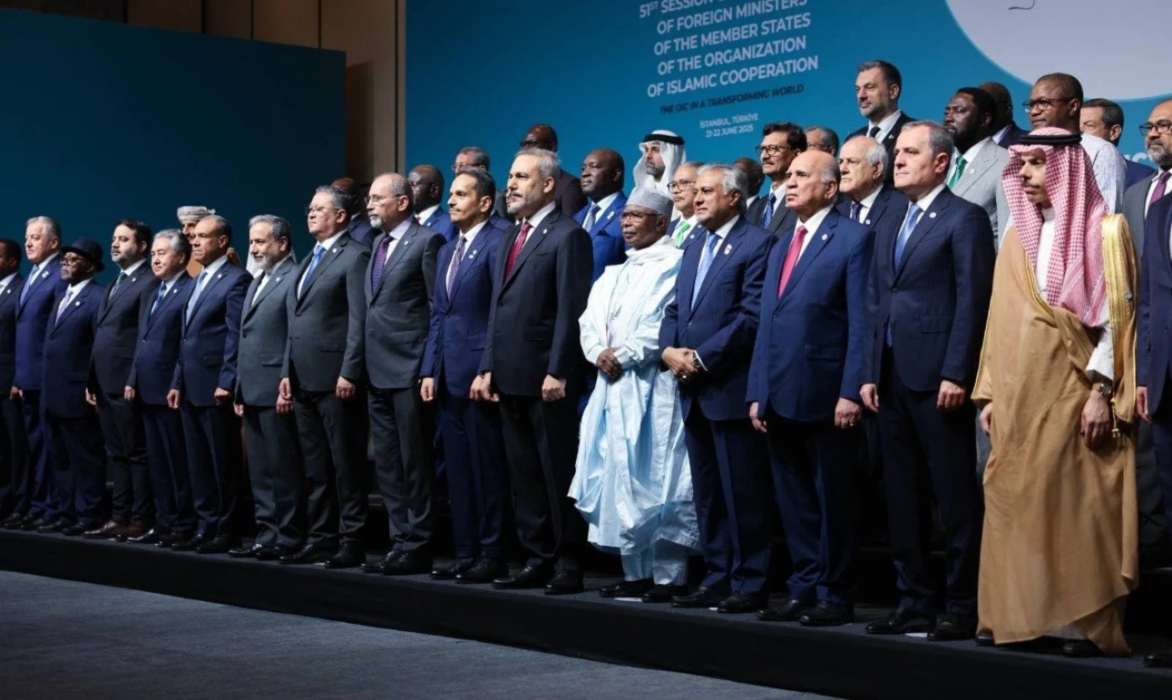
The Pact Is Beginning to Acquire Institutional Weight
The agreement is also moving beyond symbolism.
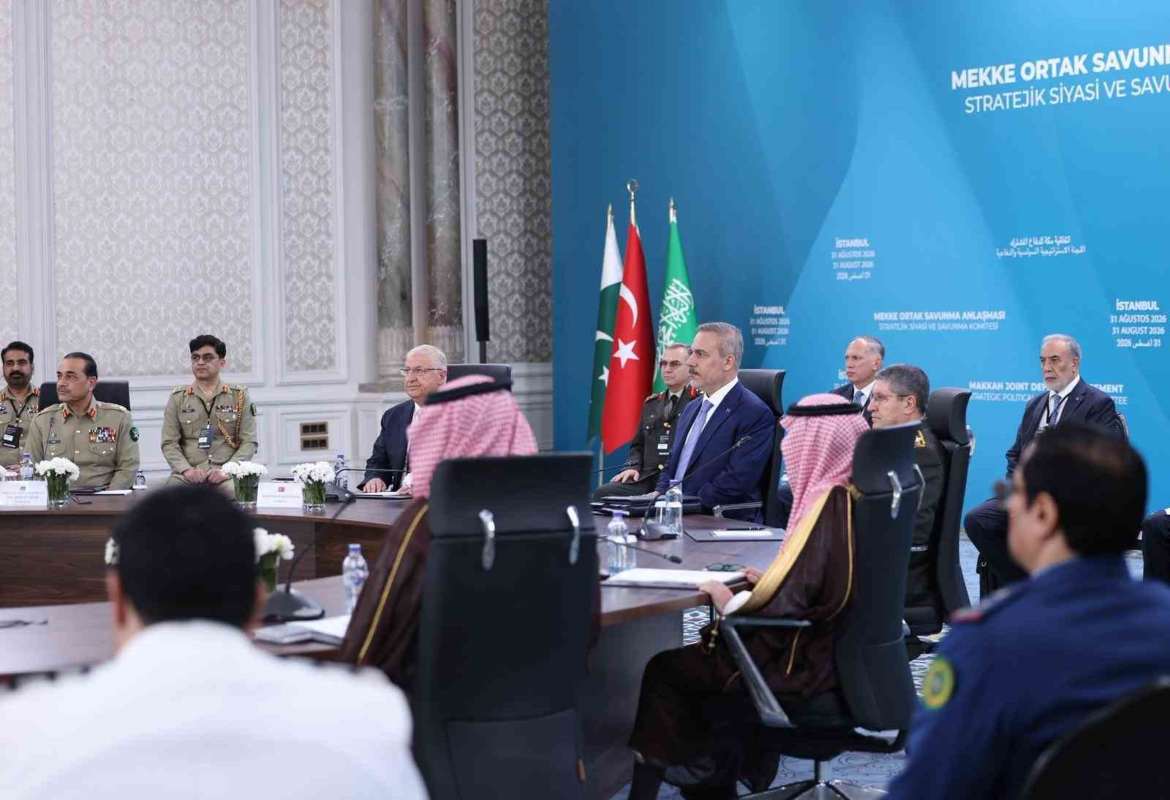
Senior officials from the three countries have already begun work on political and military coordination, while plans include deeper cooperation in exercises, intelligence sharing, logistics, interoperability and defence production.
This is where the geopolitical importance of the pact increases sharply.
The key question is no longer whether the agreement exists.
It is how far the three countries intend to institutionalize it.
Brussels Sees Potential Benefits
The European Commission’s initial position is cautiously positive.
A Commission spokesperson told Euractiv that regional initiatives which contribute to an inclusive and cooperative security environment, while respecting international law and the principles of the UN Charter, can support stability and confidence-building.
This is not an unconditional endorsement.
But it does show that Brussels is not currently treating the Mecca pact as an inherently hostile or competing structure.
Instead, the EU appears willing to view it as potentially complementary to wider security efforts — provided it remains defensive and compatible with international law.
AW778404
The China Problem
The most sensitive issue may lie elsewhere.
Pakistan has a deeply embedded military relationship with China and relies heavily on Chinese defence technology.
Turkey, by contrast, operates within NATO standards and is increasingly integrated into European defence-industrial supply chains.
That creates a potential security vulnerability.
Former Greek Army Chief of Staff Georgios Kampas warned that Pakistan could act as a “Trojan horse” because of its close defence ties with Beijing.
“Turkey relies on NATO-standard systems, and close cooperation with Pakistan, which relies heavily on Chinese military technology, increases the risk of industrial espionage,” Kampas said.
The concern is not simply political alignment.
It is technological exposure.
The deeper Turkish and Pakistani defence industries integrate, the more questions will arise over the protection of NATO-related know-how, sensitive systems and industrial data.
Why Brussels Is Not Raising the Alarm
The Commission has adopted a more cautious approach.
Its position is that speculation over Chinese espionage should not run ahead of the facts, especially since none of the three states is participating in the EU’s SAFE defence framework as a full member state.
Still, the situation is more complex.
Turkish defence companies remain able to participate in European defence projects under specific conditions, while Ankara has significantly deepened industrial ties with EU countries.
Turkey has signed major defence agreements with Italy, Spain and Belgium and has also expanded its industrial footprint in Europe.
That makes the China question more relevant, not less.
Athens Is Watching Closely
For Greece, the Mecca pact requires careful strategic monitoring.
Athens maintains a close relationship with Saudi Arabia, including defence cooperation and the deployment of Greek Patriot systems to protect critical infrastructure in the kingdom.
At the same time, the deepening institutional alignment between Riyadh, Ankara and Islamabad creates a new strategic reality.
For Greece, the concern is not that Saudi Arabia has suddenly become an adversary.
It is that Turkey is attempting to place itself at the centre of a new regional security network connecting the Middle East with a nuclear power in South Asia.
That inevitably affects the broader strategic balance.
The Achilles Shield Factor
Euractiv also highlights the contrast with Greece’s growing defence partnership with Israel.
The same broader period has seen Athens and Jerusalem deepen military cooperation around the Achilles Shield concept, strengthening air and missile defence capabilities and expanding bilateral security ties.
These developments should not automatically be portrayed as two opposing military blocs.
But they reveal a wider trend.
The Eastern Mediterranean and Middle East are entering a period of accelerated security realignment.
Regional powers are no longer relying exclusively on traditional guarantees.
They are building overlapping networks of deterrence.
Israel Is Uneasy — Egypt Could Be Decisive
Israel is also watching the Mecca pact with concern.
A senior Israeli official cited by Ynet reportedly said:
“The agreement concerns us.”
The next major variable may be Egypt.
Cairo has so far stayed outside the pact despite being invited.
But if Egypt were eventually to join, the geopolitical weight of the arrangement would increase dramatically.
That would connect Turkey, Saudi Arabia, Pakistan and Egypt in a defence structure spanning the Eastern Mediterranean, Gulf and South Asia.
For Greece and Israel, such a development would require a major strategic reassessment.
The Mecca Pact Is Not NATO — But Something New Is Emerging
The Mecca Defence Agreement does not have NATO’s integrated command structure, permanent collective forces or decades-old institutional machinery.
Comparisons with Article 5 therefore need to be made carefully.
Yet the direction of travel is unmistakable.
Turkey, Saudi Arabia and Pakistan are building a mechanism around collective deterrence, political coordination and defence-industrial cooperation.
Behind that process lies a broader regional shift.
Middle Eastern powers are increasingly seeking security frameworks that do not depend exclusively on the United States.
Turkey sees an opportunity to expand its strategic influence without leaving NATO.
Saudi Arabia is seeking additional layers of deterrence.
Pakistan is moving deeper into the security architecture of the Middle East.
And Europe, Greece, Israel and NATO now have to calculate the consequences.
The Mecca pact may currently be presented as “complementary” to NATO.
Its real strategic test will come if the region faces a crisis serious enough to force the signatories to decide what mutual defence actually means in practice.
Source: pagenews.gr
Διαβάστε όλες τις τελευταίες Ειδήσεις από την Ελλάδα και τον Κόσμο