Greece Sends Clear Message to Turkey: “Athens Alone Authorizes the Cable Project and Issues NAVTEX”
 ΧΡΟΝΟΣ ΑΝΑΓΝΩΣΗΣ 9 '
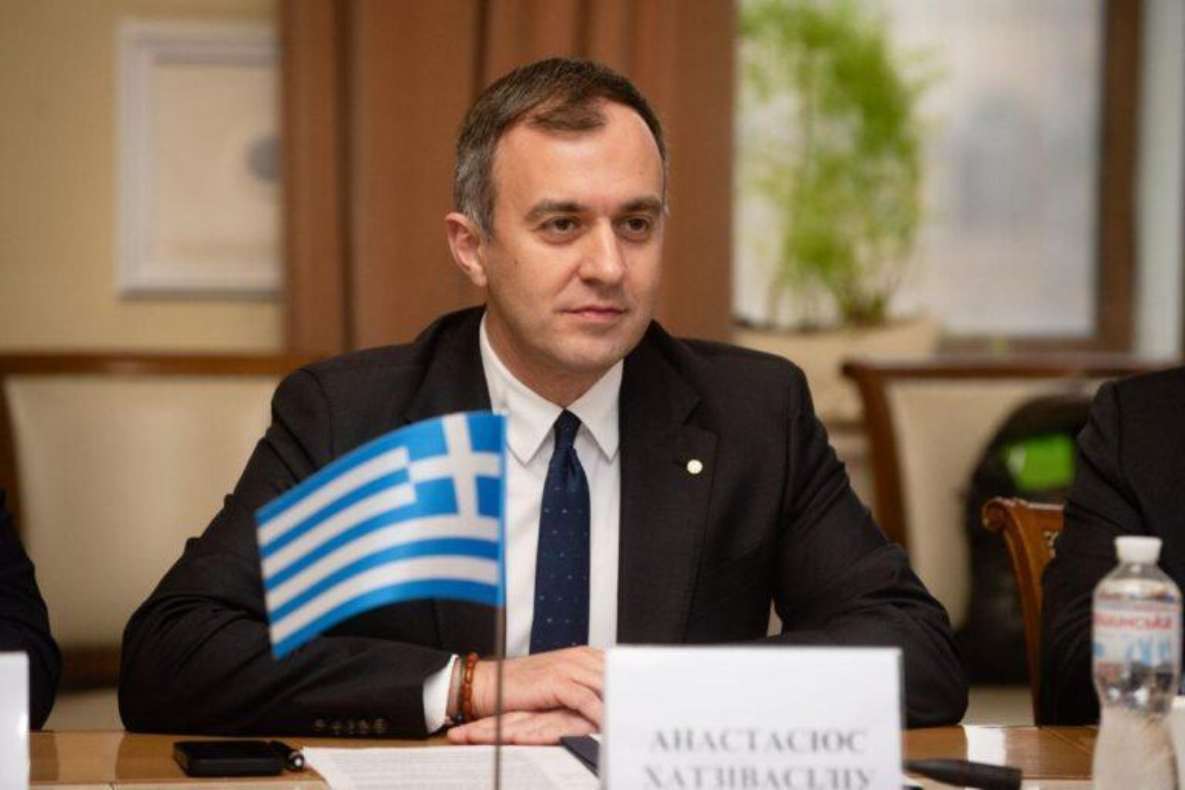
Πηγή Φωτογραφίας: eurokinissi//Greece Sends Clear Message to Turkey: “Athens Alone Authorizes the Cable Project and Issues NAVTEX”



“Greece is the country that grants the authorization, Greece is the country that issues the NAVTEX, and there has been no notification from our side to Turkey or any other third country.”
With this unequivocal statement, Greek Deputy Foreign Minister Tasos Chatzivasileiou reaffirmed Athens’ position on the strategic electricity interconnection between Greece and Cyprus, drawing a clear distinction between sovereign authorization procedures and informal technical notifications that may be issued by project contractors.
Speaking on Friday, November 6, 2026, to Parapolitika 90.1 radio, during the program Across the Microphones, hosted by journalists Sotiris Xenakis and Vasilis Skouris, Chatzivasileiou emphasized that preparations for the subsea electricity cable are proceeding according to schedule.
His remarks come amid continuing geopolitical sensitivities in the Eastern Mediterranean, where energy infrastructure, maritime jurisdiction and competing regional claims remain closely interconnected.
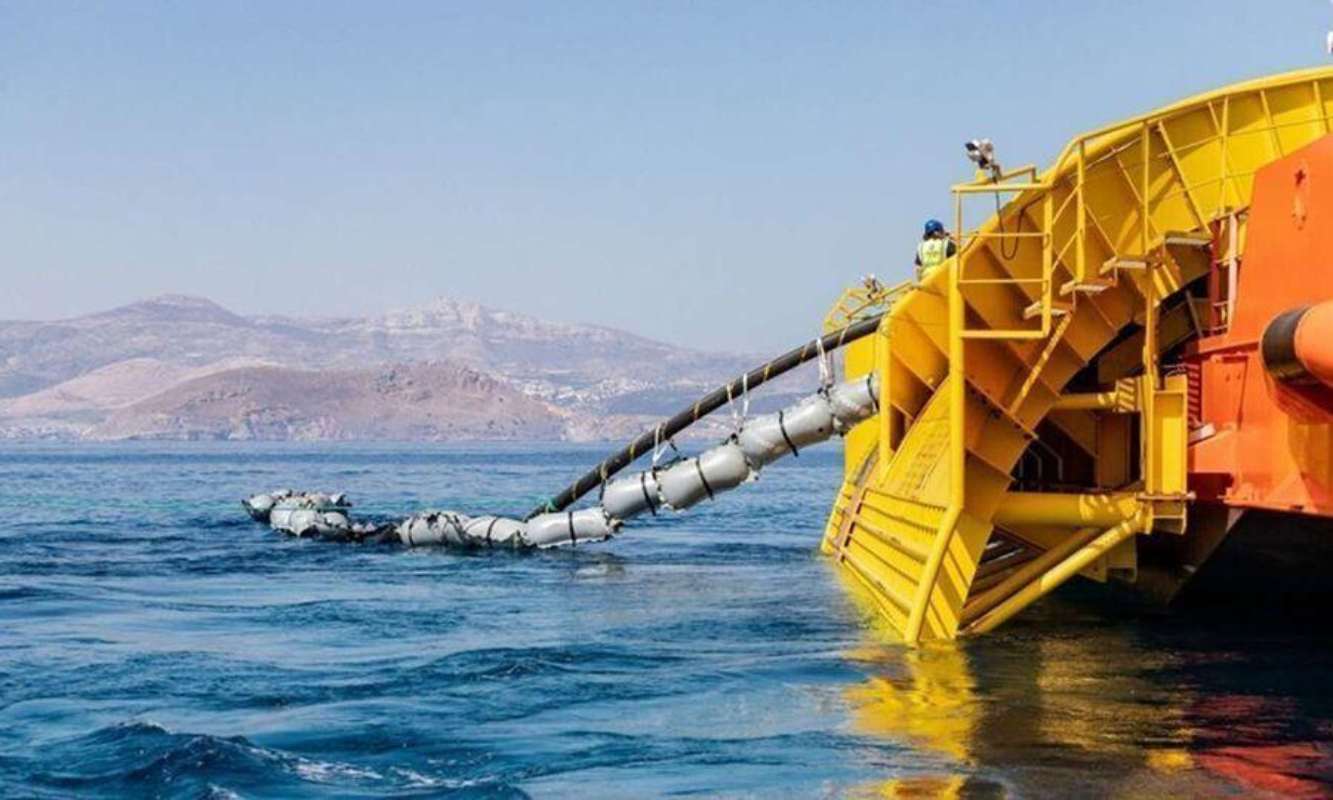
“We Are in the Final Stretch — Everything Is Proceeding According to Plan”
The Greek deputy foreign minister expressed confidence in the progress of the electricity interconnection project.
“We are in the final stretch. Everything is proceeding according to plan. Greece is the country that grants the authorization, Greece is the country that issues the NAVTEX, and there has been no notification from our side to Turkey or any other third country,” he stated.
The remarks underscore Athens’ insistence that the project is being advanced through the established authorization procedures involving Greece and Cyprus.
The distinction is particularly important given the broader diplomatic tensions surrounding maritime activities in the Eastern Mediterranean.
A NAVTEX is a maritime safety notification used to inform vessels of activities and potential navigational hazards. Its issuance is distinct from the legal authorization required for specific offshore operations.
Chatzivasileiou stressed that the two procedures should not be confused.
“Do Not Confuse Authorization With Informal Notification”
Addressing questions about possible communications with third countries, the deputy foreign minister explained that informal technical notifications may occur during major infrastructure projects.
Such communications, however, do not constitute requests for government authorization.
“If an informal notification arises, as frequently happens in projects of this kind, it concerns the project contractor,” he explained.
He then delivered a direct clarification:
“Some should not confuse authorization with any informal notification made by constructors or contractors, because that does not constitute authorization.”
The distinction carries considerable diplomatic significance.
Athens maintains that any technical communication undertaken by private contractors must not be interpreted as recognition of a third country’s authority to approve the project.
Chatzivasileiou was categorical about which countries had been approached for authorization.
“Authorization was requested from Greece alone, and Greece is the country that will grant it. The only countries that received requests for authorization were Greece and Cyprus.”
The statement reflects the Greek government’s position that Turkey has no role in the authorization process for the relevant works.
Why the Greece–Cyprus Electricity Link Matters
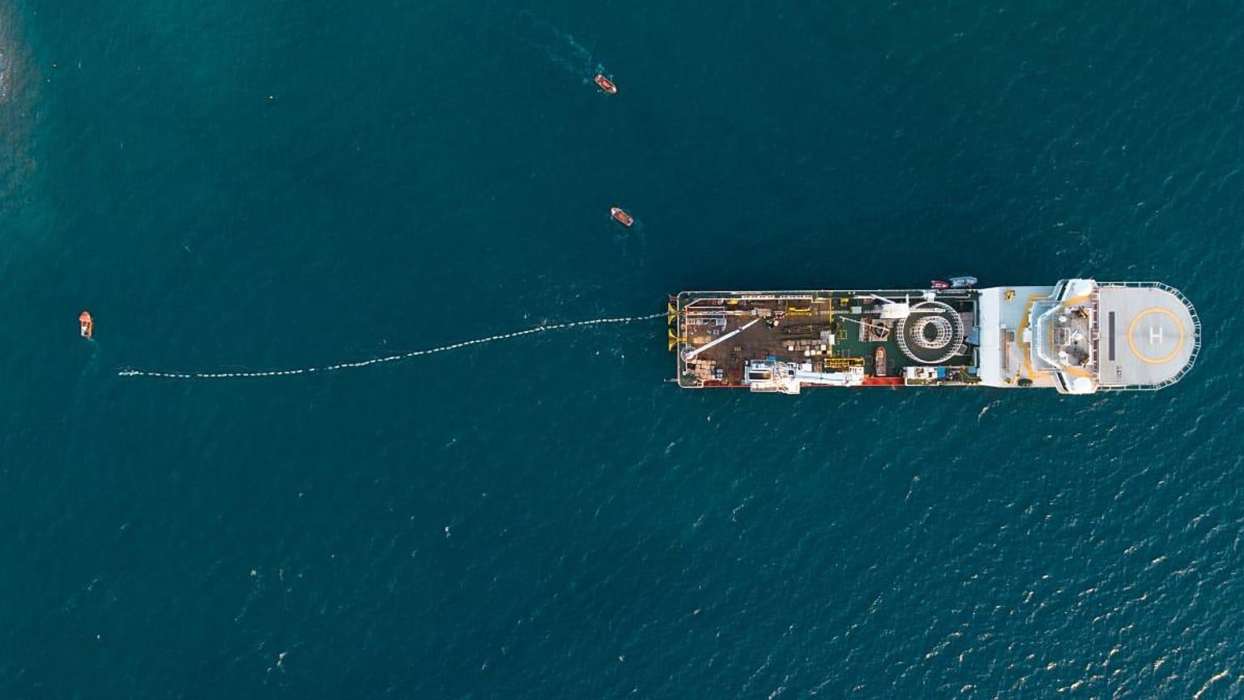
The Greece–Cyprus electricity interconnection is a strategically important energy infrastructure project intended to connect Cyprus to the wider European electricity network.
The project aims to reduce the island’s electricity isolation, strengthen regional energy security and facilitate the integration of renewable energy sources.
Its significance extends beyond electricity transmission.
The subsea cable forms part of a broader effort to develop cross-border energy infrastructure in the Eastern Mediterranean, a region where energy cooperation frequently intersects with unresolved maritime disputes.
For Greece and Cyprus, the interconnection represents an opportunity to strengthen their energy integration with the European market.
For Athens, the project’s implementation also raises questions about the exercise of maritime rights and the procedures governing offshore infrastructure.
Turkey’s differing positions on maritime jurisdiction in parts of the Eastern Mediterranean have made these questions particularly sensitive.
Against this background, Chatzivasileiou’s insistence that Greece and Cyprus are the only countries involved in the authorization process is a deliberate reaffirmation of Athens’ diplomatic position.
A Bomb Threat in the Air: “We Had No Idea What Was Happening”
During the same interview, Chatzivasileiou described his personal experience aboard a commercial flight that became the subject of a bomb threat.
The incident occurred amid a series of similar threats affecting European aviation and prompting heightened security procedures at airports.
According to the deputy foreign minister, passengers were unaware of the security situation while still aboard the aircraft.
“The airline crew acted with professionalism and seriousness, because none of us realized anything while we were on the aircraft. I only learned about what had happened after we had disembarked,” he said.
He explained that passengers initially noticed only an unusual delay in leaving the aircraft.
“We were surprised that the plane had parked in a relatively remote area and that the buses were taking so long to arrive for disembarkation,” he recalled.
The delay initially prompted complaints among passengers, who did not know why they were being kept on board.
The explanation emerged afterward.
“We later understood that there was a clear reason, as the aircraft had undergone a thorough inspection, both externally and in the baggage compartment, by the Austrian police authorities. The security protocols worked very effectively.”
His account highlights the operational challenges facing airlines and airport authorities when responding to threats that may ultimately prove false but must nevertheless be treated seriously.

“Democracies Will Not Be Terrorized”
Chatzivasileiou strongly condemned those responsible for making threats against commercial flights.
He urged passengers not to allow such incidents to undermine confidence in European aviation.
“Nobody should be afraid, because all these lunatics who are playing with the safety and patience of passengers in Europe must not be given the satisfaction of seeing people frightened,” he said.
He followed with a particularly emphatic message:
“Democracies will not be terrorized, and there is no need for anyone to worry.”
The deputy foreign minister characterized the incidents as attempts to generate anxiety and disruption rather than achieve any legitimate objective.
“It is a war of nerves conducted by some fools who are trying to damage Europe’s standing and, above all, cause disruption,” he stated.
His description reflects his assessment of the incidents. The available account does not establish the identity of those responsible or confirm that the threats form part of a coordinated campaign.
European Authorities Strengthen Aviation Security Cooperation
The deputy foreign minister also referred to measures being taken at European level to improve the response to aviation security threats.
According to Chatzivasileiou, European Commissioner Apostolos Tzitzikostas, whose portfolio includes sustainable transport, has activated an information-sharing mechanism intended to accelerate cooperation between national authorities and airlines.
“Commissioner Tzitzikostas has activated the information-exchange mechanism so that airlines and countries can immediately share data, allowing incidents of this kind to be investigated much more quickly and effectively,” he said.
Rapid information exchange is particularly important when similar threats affect flights across several countries.
Such incidents can trigger aircraft inspections, diversions, airport delays and significant operational disruption, even when no explosive device is ultimately discovered.
Closer cooperation between national security services, aviation authorities and airlines can help establish whether threats are connected and improve the coordination of responses.
For European governments, the challenge is to maintain rigorous security procedures while preventing repeated false alarms from unnecessarily undermining public confidence in air travel.
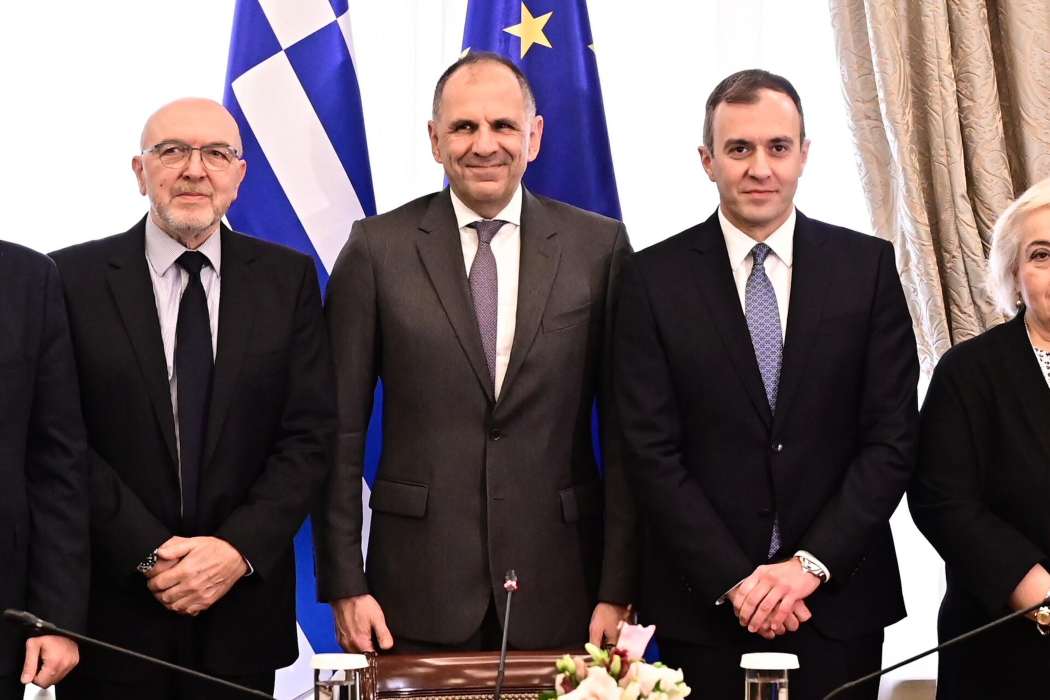
Chatzivasileiou’s remarks addressed two distinct issues confronting Greece and Europe: the strategic implementation of energy infrastructure in the Eastern Mediterranean and the security of European aviation.
On the electricity interconnection, his message was that Greece and Cyprus remain the relevant authorities for the project’s authorization procedures, with no authorization sought from Turkey.
On aviation security, he emphasized the importance of professional emergency protocols, European information sharing and public resilience in the face of intimidation.
“Democracies will not be terrorized,” he insisted.
Source: pagenews.gr
Διαβάστε όλες τις τελευταίες Ειδήσεις από την Ελλάδα και τον Κόσμο