Mocha Falls Again: How the Houthis Are Redrawing the Red Sea Order
 ΧΡΟΝΟΣ ΑΝΑΓΝΩΣΗΣ 7 '
Πηγή Φωτογραφίας: Reuters/Mocha Falls Again: How the Houthis Are Redrawing the Red Sea Order



There is a dark irony in the fall of Mocha.
The port that gave the world its name for coffee was once synonymous with trade, shipping and commercial exchange between Yemen, the Ottoman world and Europe.
Now it is back in the headlines for an entirely different reason.
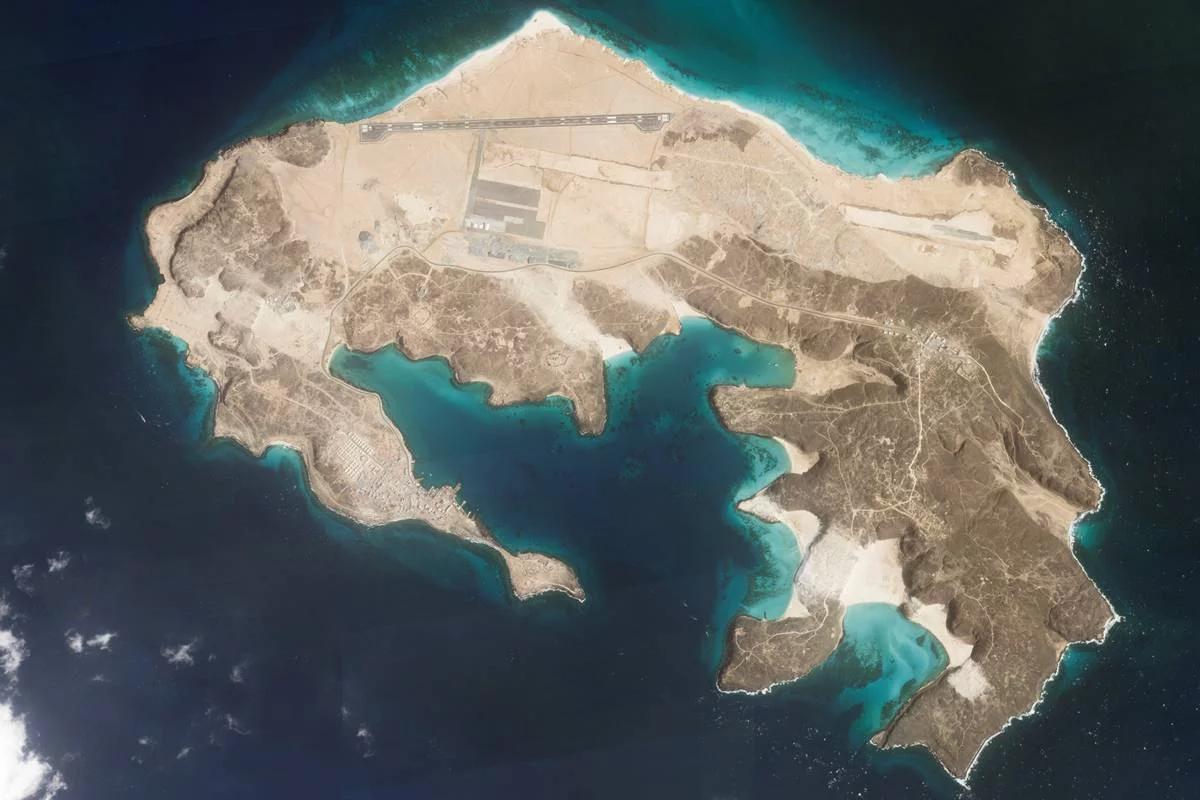
Houthi forces have taken Mocha and quickly pushed toward Perim Island, inside the Bab al-Mandeb Strait itself, giving the Iran-aligned movement a stronger position astride one of the most strategically important maritime arteries on the planet.
Mocha is small — its geography is not
Mocha is not one of Yemen’s largest cities.
But geopolitics is often determined less by population than by location.
The city lies roughly 75 kilometres north of Bab al-Mandeb, on the coastal axis leading directly toward the strait.
Its capture means the loss of one of the last major government-held nodes along Yemen’s western coast.
Even more significant is the Houthi push toward Perim and the Hanish Islands, which brings the movement closer to the point where the Red Sea narrows into the Gulf of Aden.
That changes the strategic equation.
The Houthis do not need to close the strait to gain leverage
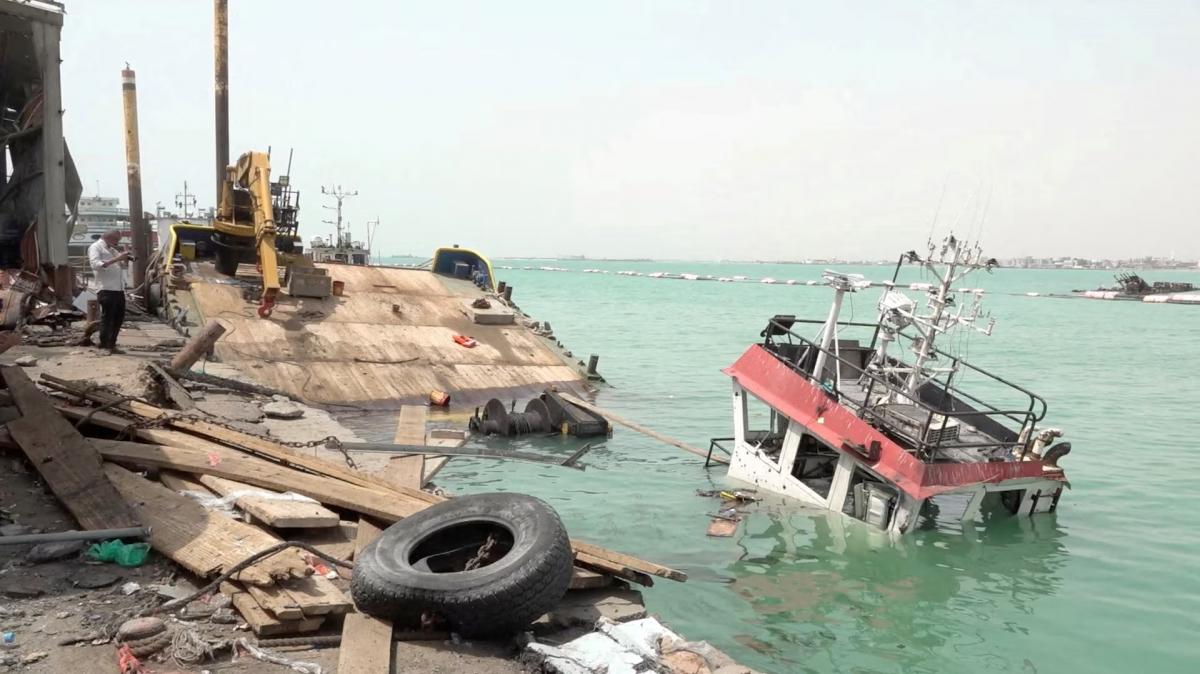
The Houthis do not need to physically shut Bab al-Mandeb to exert pressure.
They only need to convince shipping companies, insurers and governments that they have the capability to threaten traffic through it.
That distinction matters.
Houthi officials have said they do not intend to disrupt international shipping broadly. But intent and capability are not the same thing.
Once an armed movement holds positions overlooking a critical chokepoint, risk calculations change immediately.
Missiles, drones, unmanned surface vessels and mines all become more relevant.
And the first consequence is often financial rather than military: higher insurance costs, higher freight rates and longer alternative routes.
Riyadh sees pressure on a second maritime exit
For Saudi Arabia, the new reality is particularly uncomfortable.
The kingdom had increasingly relied on the Red Sea route as an alternative to the Strait of Hormuz, especially as instability in the Gulf made traditional export routes more vulnerable.
Now that western outlet is under pressure as well.
Houthi attacks on Saudi targets and infrastructure have already demonstrated the movement’s ability to threaten both energy assets and shipping.
The kingdom therefore faces a strategic problem that would have seemed unthinkable only a few years ago:
Hormuz to the east, Bab al-Mandeb to the west.
The deeper failure of Saudi strategy in Yemen
The latest Houthi advance also exposes a longer-term weakness in Saudi policy.
Years of ceasefires and externally brokered deals bought Riyadh periods of relative calm.
They did not, however, decisively alter the balance of power inside Yemen.
Government-aligned forces remained fragmented, while the Houthis preserved cohesion, command discipline and the ability to mobilise quickly when an opportunity emerged.
Mocha is the clearest evidence of that problem.
The truce produced quiet.
It did not produce victory.
Iran gains without putting its own forces on the ground
For Tehran, the strategic outcome is far more favourable.
Even without deploying large Iranian forces directly, a stronger Houthi position around Bab al-Mandeb gives Iran another powerful lever over Gulf exporters and Western military planners.
To the east lies Hormuz.
To the west, through an allied movement, lies Bab al-Mandeb.
That does not mean Iran fully controls both chokepoints.
But it does mean that any Western or Gulf energy strategy must now account for pressure at both ends.
This is the logic of asymmetric proxy warfare at its most effective.
Relatively limited investment in an allied armed movement can impose disproportionate costs on far wealthier adversaries.
The Horn of Africa is back at the centre of the game
The African side of the strait is not merely background geography.
Djibouti, Eritrea, Somaliland and the wider Horn of Africa coastline all gain strategic importance as the Yemeni side becomes more volatile.
Djibouti already hosts American, Chinese, French and other military facilities precisely because of the importance of Bab al-Mandeb.
If the northern side of the strait becomes less predictable, the southern shore becomes even more valuable.
That could trigger a new round of competition among Gulf states, Türkiye and other outside powers for access to ports, security agreements and naval logistics.
Berbera becomes more important
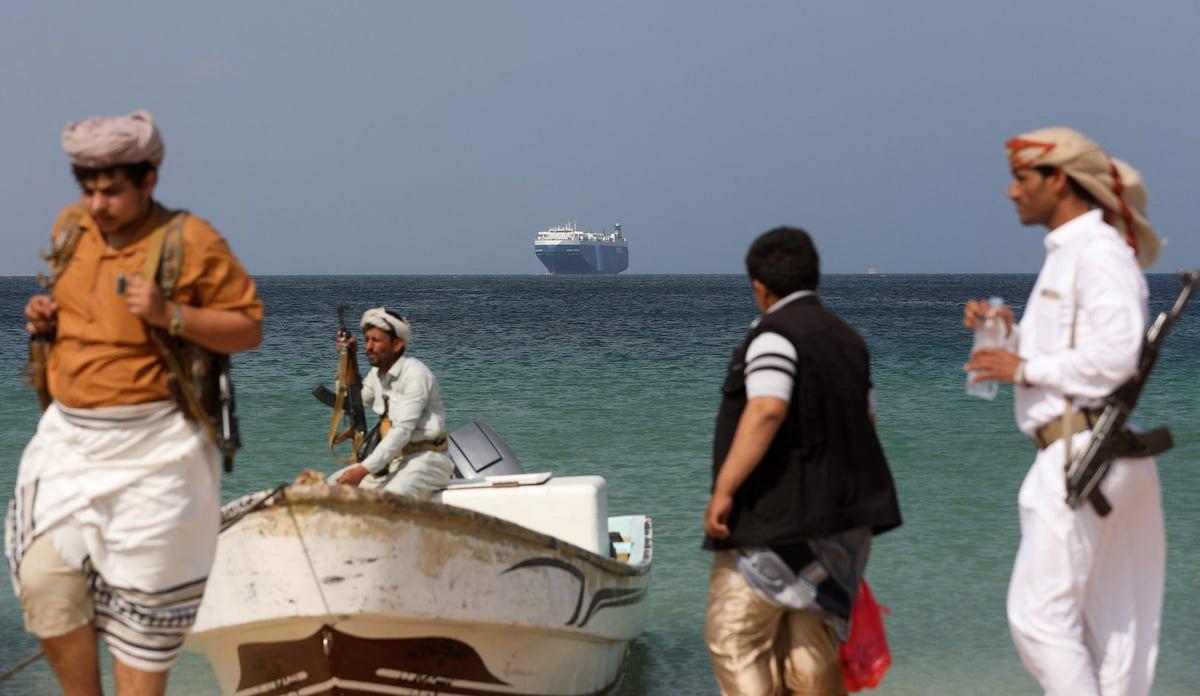
In that context, Berbera in Somaliland may acquire even greater geopolitical value.
Located across from the Red Sea corridor, it has long attracted interest as both a commercial and strategic hub.
The less predictable Yemen becomes, the more the African littoral can function as a hedge for logistics, shipping and security.
That creates new leverage for Somaliland and for any external power seeking a reliable foothold on the southern side of the strait.
Two wars are becoming one
The most important shift may be conceptual.
Yemen can no longer be treated as a separate conflict.
The direct confrontation involving Iran and its regional adversaries is increasingly converging with Yemen’s civil war.
The Houthis have transformed a domestic territorial gain into a regional strategic asset.
And Tehran can use Yemen as a second pressure front against Riyadh and Washington.
That is what makes the fall of Mocha so significant.
Trump now faces a difficult choice
Washington has so far shown little appetite for deeper involvement.
That may remain the case as long as the Houthis avoid a broad campaign against international shipping.
But the more they consolidate around Bab al-Mandeb, the higher the cost of inaction becomes.
If the Houthis remain in place without triggering a major maritime crisis, the United States may continue to hold back.
If they begin turning their geographic position into a wider blockade or systematic interdiction campaign, pressure for direct American military action will rise sharply.
At that point, Donald Trump would face the dilemma he has so far tried to avoid:
a new war in Yemen, or acceptance of a new balance of power in the Red Sea.
The real change in the Red Sea
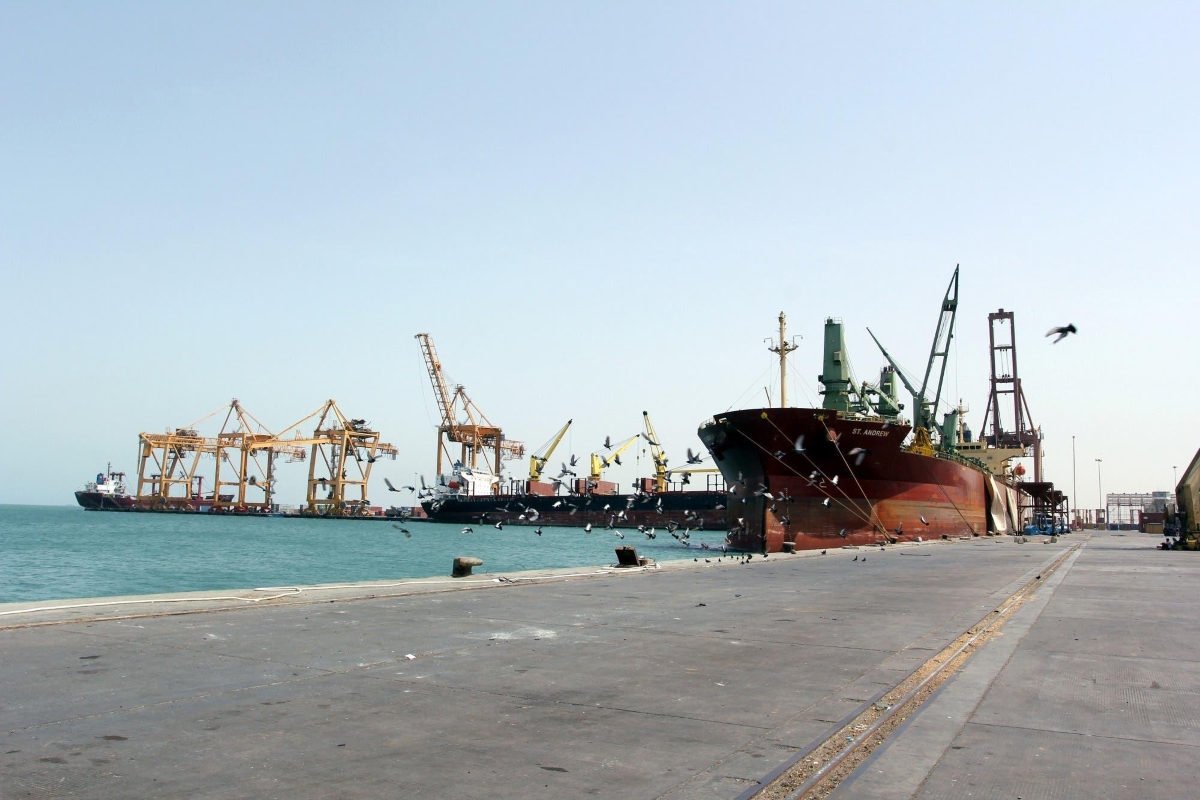
The biggest conclusion is that Bab al-Mandeb can no longer be treated as secondary to Hormuz.
The two chokepoints are increasingly part of the same geopolitical equation.
Each affects the strategic value of the other.
And by taking Mocha and advancing toward Perim and the Hanish Islands, the Houthis have gained something more valuable than territory.
They have gained leverage.
In the Middle East, leverage over a narrow waterway that carries a major share of global trade can be worth more than vast stretches of land.
That is why Mocha matters.
Not because of its size.
But because of what lies just beyond it.
Πηγή: Pagenews.gr
Διαβάστε όλες τις τελευταίες Ειδήσεις από την Ελλάδα και τον Κόσμο