Barrack Shakes Up the Vertical Gas Corridor: Turkey, US LNG and Greece’s Strategic Energy Deals
 ΧΡΟΝΟΣ ΑΝΑΓΝΩΣΗΣ 14 '
Πηγή Φωτογραφίας: AP Photo//Barrack Shakes Up the Vertical Gas Corridor: Turkey, US LNG and Greece’s Strategic Energy Deals



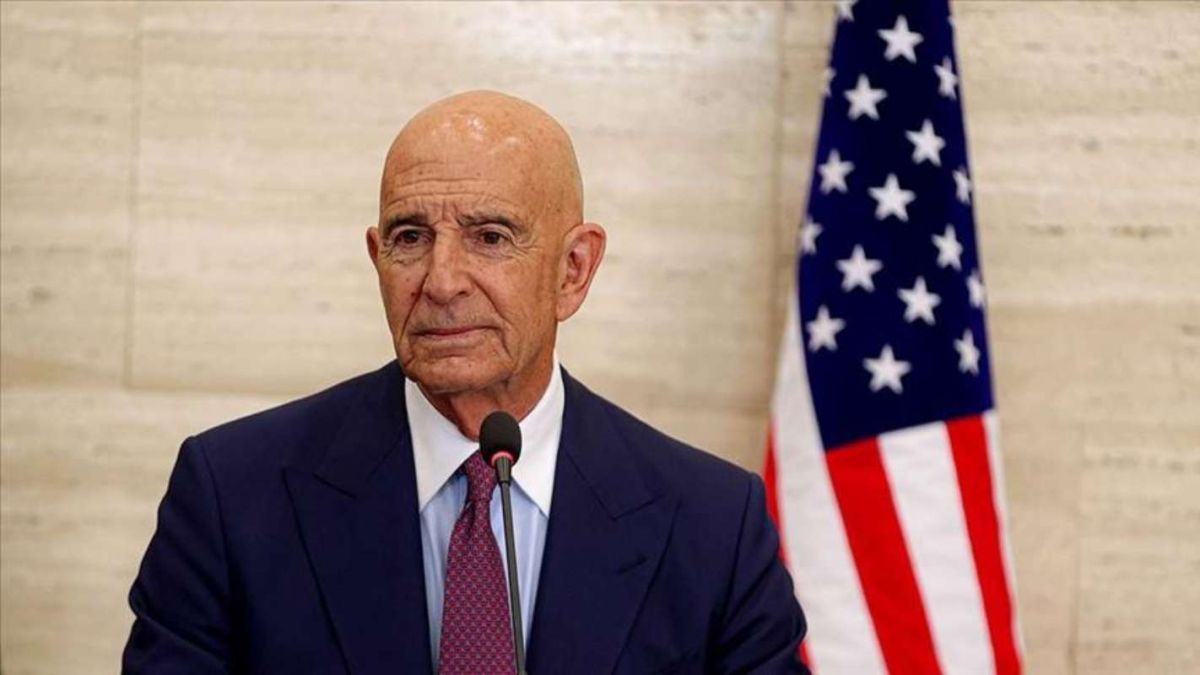
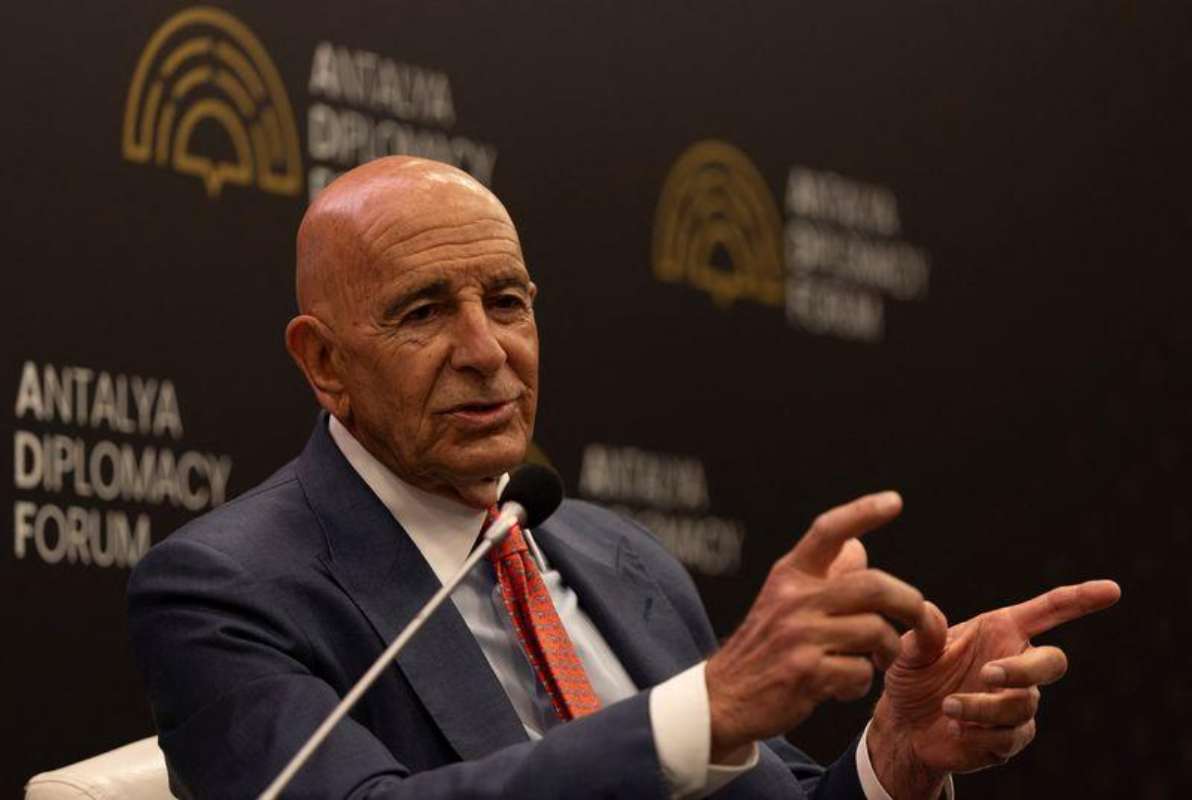
A new debate over the future energy architecture of Southeastern Europe has emerged following remarks by Tom Barrack, US ambassador to Turkey and a close associate of President Donald Trump, who openly advocated cooperation between Greece and Turkey through two energy corridors.
His intervention comes at a particularly sensitive moment for the region.
Greece has already secured major energy agreements designed to facilitate the transportation of American liquefied natural gas (LNG) to Southeastern and Central Europe, while the Vertical Gas Corridor is becoming an increasingly important component of Washington’s strategy to diversify European energy supplies.
At the same time, Turkey is seeking to strengthen its position as a regional energy hub, capitalizing on its existing pipeline infrastructure and its geographical location between major producing regions and European consumers.
The central question is whether Barrack’s proposal merely encourages cooperation between two parallel energy routes or signals a broader American interest in coordinating the energy infrastructure of Greece and Turkey.
For now, there is no confirmed official proposal for Turkey to join Greece’s Vertical Gas Corridor, nor has any concrete plan been presented to restructure the project’s existing commercial arrangements.
Nevertheless, the timing of Barrack’s comments, Washington’s broader energy objectives and intensifying competition for European gas markets give his intervention considerable geopolitical significance.
What Barrack Actually Said: “Two Energy Corridors”
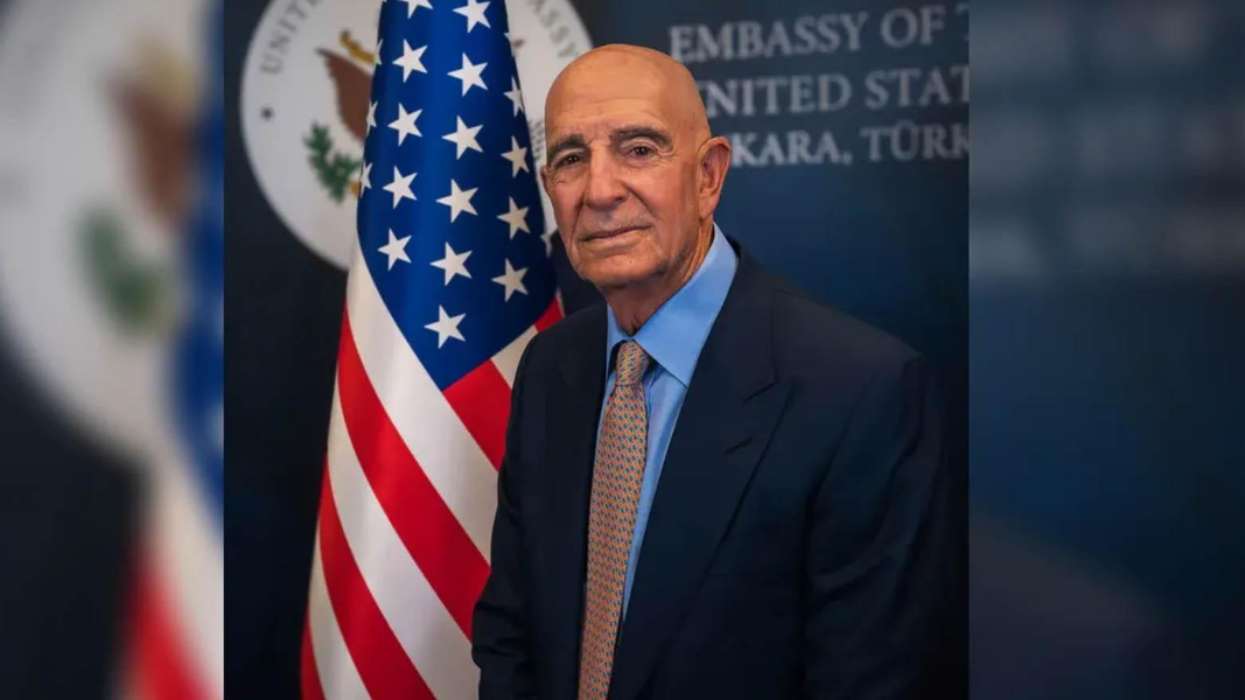
Speaking to Mario Nawfal, the US ambassador to Ankara emphasized the importance of energy cooperation between Greece and Turkey.
“Greece certainly needs to be part of the energy corridors,” Barrack said.
He also described the longstanding disputes between the two neighboring countries as an obstacle to greater cooperation.
“Greece and Turkey have been fighting forever, which is ridiculous,” he remarked.
Barrack then outlined his preferred approach:
“All they have to do is coordinate with each other and say: Fine, we will have two energy corridors and help each other.”
The reference to two corridors is particularly significant because it acknowledges the potential for parallel energy routes rather than necessarily advocating a single integrated system.
However, Barrack did not explicitly clarify whether he was referring exclusively to natural gas transportation, broader energy networks or specific infrastructure projects already under development.
Consequently, linking his remarks directly to the Vertical Gas Corridor is a legitimate subject of geopolitical and economic analysis, but it cannot yet be presented as a confirmed American proposal to redesign the project.
Turkey’s Ambition to Become a Major European Energy Hub
Turkey already occupies a significant position in the regional energy system.
Its territory hosts major infrastructure connecting different gas suppliers with European markets.
The TurkStream pipeline transports Russian natural gas, while the Trans-Anatolian Natural Gas Pipeline (TANAP) forms a crucial part of the Southern Gas Corridor, delivering Azerbaijani gas toward Europe.
Ankara’s long-term strategy is to consolidate its role as a regional center for gas transit, trading and potentially redistribution.
Europe’s efforts to reduce its dependence on Russian energy have altered the economic and geopolitical environment surrounding these routes.
Against this backdrop, Turkey’s ability to import, trade and potentially re-export natural gas, including LNG, could become increasingly important.
The prospect of Turkish infrastructure handling additional volumes of American LNG would also introduce another competitive dimension to regional energy markets.
However, there is currently insufficient evidence to establish that Ankara has formally requested participation in the Vertical Gas Corridor to compensate for revenue losses associated with restrictions on Russian energy flows.
Competition between Greek and Turkish energy routes is a genuine commercial possibility. A coordinated plan to redistribute Greece’s existing energy agreements has not been substantiated.
Greece’s Major Energy Deals: The 20-Year Venture Global Agreement
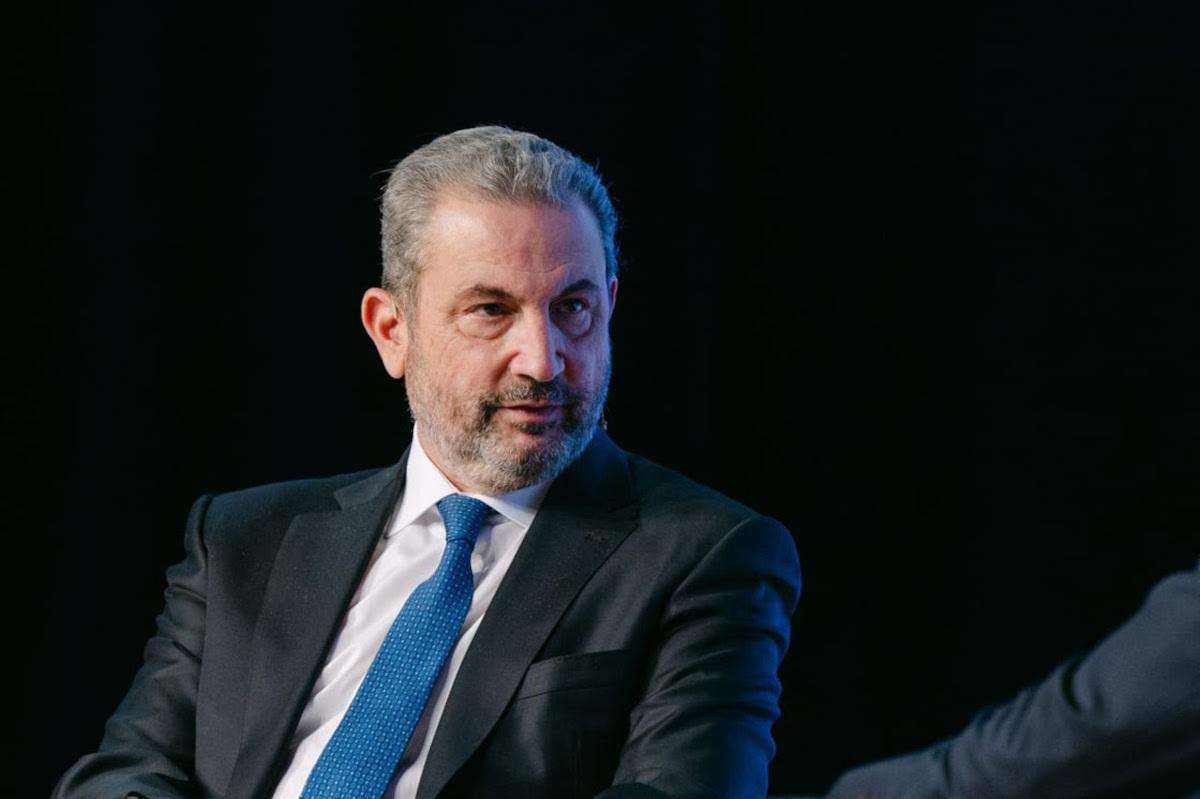
At the center of Greece’s commercial strategy stands Atlantic SEE LNG Trade, a joint venture between the AKTOR Group, holding 60%, and DEPA Commercial, holding 40%.
The company has secured a long-term agreement with American LNG producer Venture Global.
On June 12, 2026, an expansion of the agreement was announced, doubling the minimum annual contracted quantity from 500,000 metric tons to 1 million metric tons of LNG, equivalent to approximately 1.3 billion cubic meters of natural gas.
The agreement covers a 20-year period beginning in 2030.
This represents an important commercial commitment that strengthens the Greek joint venture’s ability to develop a stable portfolio of American LNG supplies.
However, securing LNG supplies is only one component of a successful energy trading strategy.
Commercial viability also depends on obtaining long-term buyers, securing sufficient transportation capacity and ensuring that delivered gas remains competitively priced.
These factors will ultimately determine how effectively Greece can translate its infrastructure investments into sustained economic returns.
Alexandros Exarchou and the Commercial Strategy Behind the Vertical Corridor
Alexandros Exarchou, head of the AKTOR Group, has repeatedly emphasized the importance of long-term supply and sales agreements in establishing a commercially sustainable route for American LNG into European markets.
In an interview with S&P Global Commodity Insights in April 2026, he outlined the company’s ambition to secure agreements involving substantial annual gas volumes.
The initial target was approximately “5 billion cubic meters per year.”
This strategy extends far beyond importing LNG cargoes into Greece.
It requires the development of an integrated commercial chain connecting American producers, LNG terminals, pipeline operators and final customers across Southeastern and Eastern Europe.
Atlantic SEE LNG Trade has already developed commercial relationships involving Ukraine’s Naftogaz and other regional counterparties.
Converting memoranda of understanding into binding long-term sales agreements remains essential to securing predictable revenues.
In this context, the emergence of additional competitive transportation routes could influence negotiations with European customers.
That does not, however, automatically mean that existing Greek contracts would be canceled, weakened or transferred to alternative operators.
The key commercial challenge is to secure customers, volumes and competitive transportation costs before competing supply routes expand their market presence.
Alexandroupolis: Greece’s Gateway to the Balkans
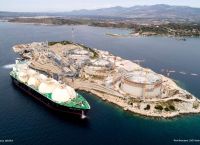
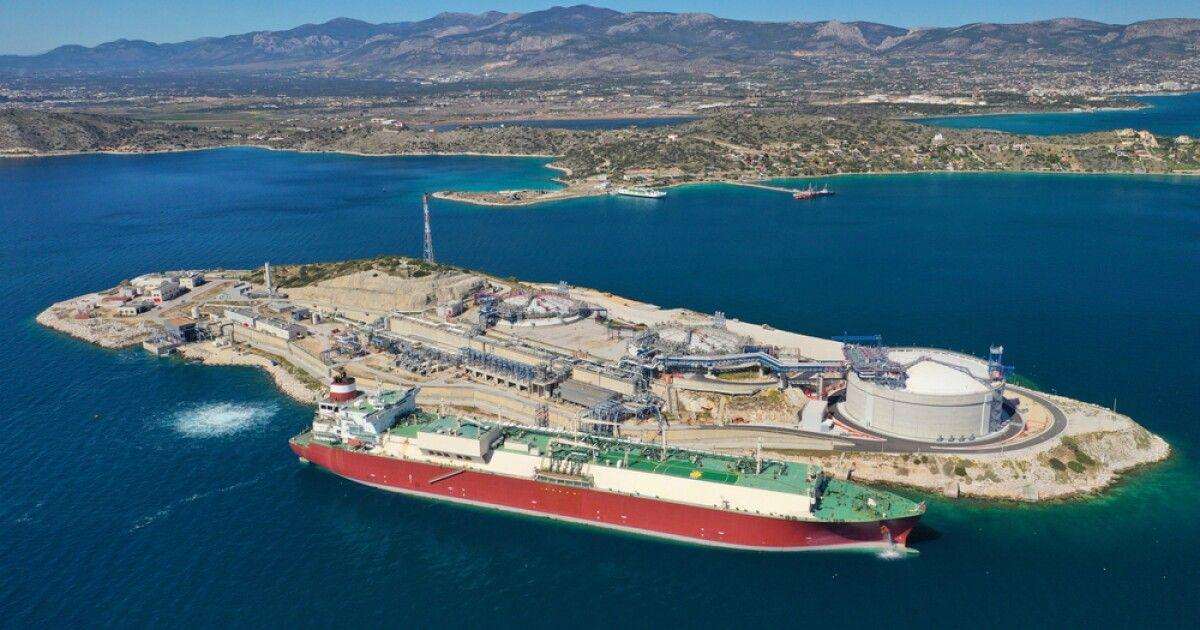
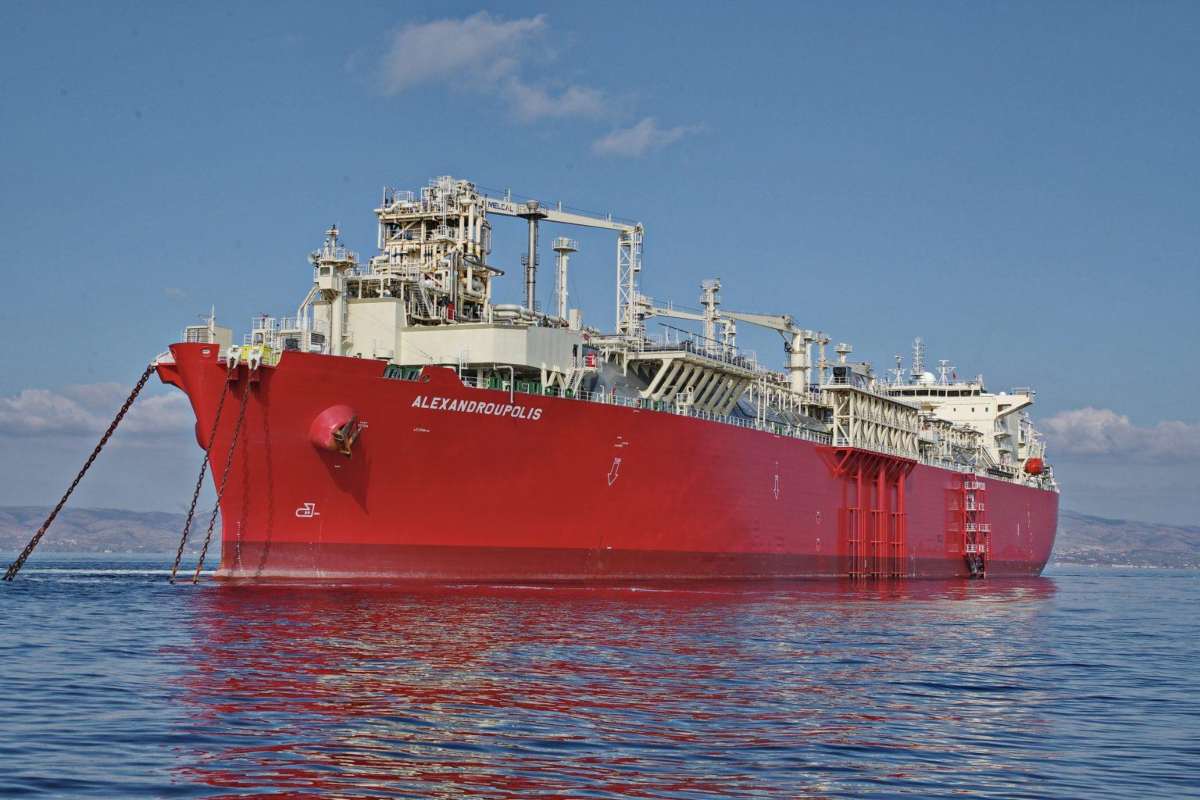
The Alexandroupolis LNG terminal is a cornerstone of Greece’s regional energy strategy.
The facility began commercial operations in October 2024 and has a nominal annual regasification capacity of approximately 5.5 billion cubic meters.
Together with the Revithoussa LNG terminal and Greece’s pipeline interconnections, Alexandroupolis strengthens the country’s capacity to receive natural gas from diversified international suppliers.
The Vertical Gas Corridor is designed to utilize interconnected national transmission systems, allowing gas to move northward through Bulgaria and Romania toward additional European markets.
Its commercial value depends on available transportation capacity, the removal of infrastructure bottlenecks and competitive transmission tariffs.
The physical existence of pipelines and terminals is not sufficient on its own to guarantee sustained commercial activity.
Actual revenues depend on reliable gas flows, long-term contractual commitments and the competitiveness of the entire transportation route.
The Belgrade Agreements: Serbia and North Macedonia Join the Initiative
An important development occurred on October 6, 2026, during a four-party ministerial meeting in Belgrade involving Greece, Serbia, Bulgaria and North Macedonia.
The meeting included Greek Minister of Environment and Energy Stavros Papastavrou and his counterparts from the three other countries.
According to the Serbian government’s official announcement, participants welcomed the inclusion of Serbia and North Macedonia in the Vertical Gas Corridor initiative through their respective transmission system operators.
Discussions also addressed the development of the Serbia–North Macedonia gas interconnection, which would link with the Greece–North Macedonia transmission system.
This development expands the geographical reach of the corridor and creates opportunities to access additional Balkan markets.
It represents tangible institutional and technical progress, independently of the geopolitical speculation surrounding Barrack’s latest remarks.
Kimberly Guilfoyle’s Departure and the Changing Diplomatic Environment
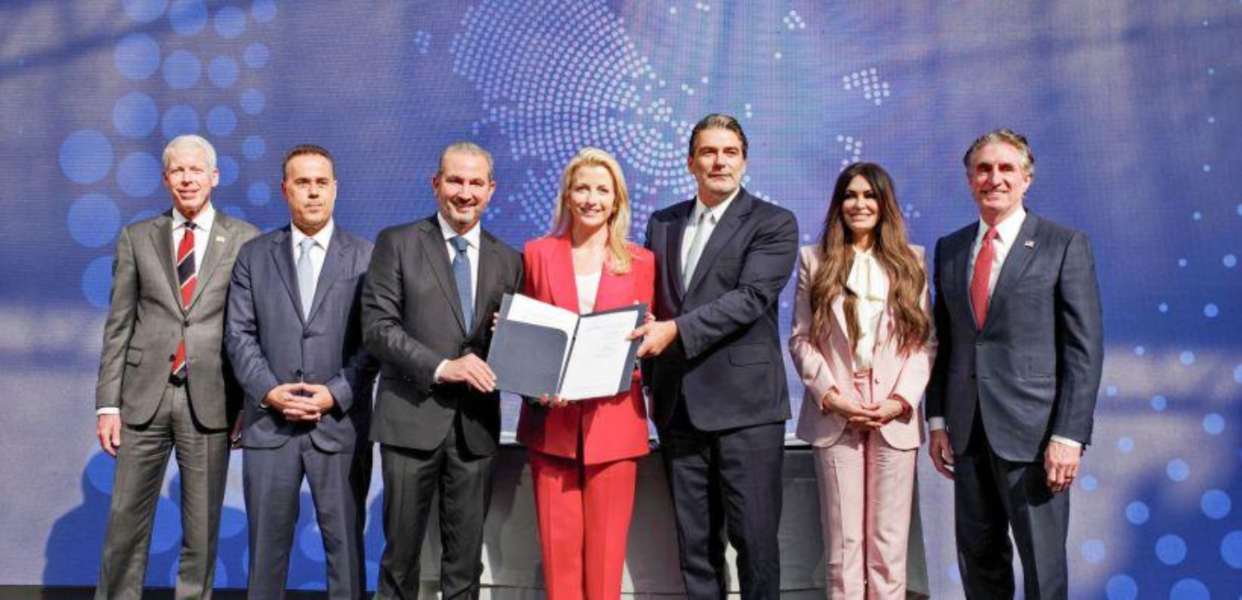
Barrack’s intervention also follows the departure of Kimberly Guilfoyle from her position as US ambassador to Greece on October 13, 2026.
Her departure followed a White House request amid reports of allegations concerning her conduct while serving in Athens.
Guilfoyle denied those allegations.
During her tenure, she had publicly supported closer Greek-American energy cooperation and participated in announcements involving major American LNG agreements.
The change in US diplomatic representation in Athens introduces a new element into the regional political environment.
However, there is no verified evidence that her departure was connected to an attempt to dismantle the Vertical Gas Corridor’s commercial structure or redirect energy business toward Turkey.
The proximity of these developments in time does not establish a causal relationship.
Any claim that her departure was intended to facilitate a restructuring of regional energy agreements would require additional documentary evidence.
Vertical Gas Corridor and Great Sea Interconnector: Two Different Projects
Another question concerns whether Barrack’s references to energy corridors could have implications beyond natural gas transportation.
The Vertical Gas Corridor is a natural gas infrastructure and trading initiative.
The Great Sea Interconnector (GSI), by contrast, is an electricity interconnection project designed to connect Greece and Cyprus.
The two projects operate under different technological, commercial and regulatory frameworks.
Although both are relevant to the Eastern Mediterranean’s evolving energy landscape, Barrack’s remarks do not establish that Washington intends to negotiate them together.
Nor do they demonstrate that progress on one project is being made conditional on arrangements involving the other.
Such interpretations would require explicit clarification from the US administration.
The Bigger Question: Who Will Deliver American LNG to Europe?
The broader strategic issue is the competition to supply European markets with American natural gas.
Europe continues to pursue diversification away from Russian energy, while the United States seeks to expand its LNG exports and strengthen long-term commercial relationships with European buyers.
Greece and Turkey possess different infrastructure assets and geographical advantages.
For Greece, the priority is to maximize the economic value of its LNG terminals, cross-border interconnections and commercial supply agreements.
For Turkey, expanding its role as a gas trading and transit hub could generate additional economic opportunities and geopolitical influence.
Cooperation between the two countries on specific infrastructure projects would not necessarily eliminate competition.
European customers will continue to evaluate potential suppliers and transportation routes based on gas prices, transit charges, contractual flexibility, reliability and security of supply.
This is where the commercial future of the Vertical Gas Corridor will ultimately be determined.
Washington’s Strategic Calculation in the Eastern Mediterranean
The United States has a clear interest in ensuring that American LNG can reach European consumers through reliable and commercially viable infrastructure.
From Washington’s perspective, multiple transportation routes could strengthen supply flexibility and reduce dependence on individual networks.
However, the existence of alternative corridors could also intensify competition among regional energy hubs.
For Greece, the challenge is to maintain the strategic importance of its infrastructure while securing long-term commercial commitments.
For Turkey, closer coordination with the United States and neighboring countries could create opportunities to expand its energy trading activities.
Barrack’s intervention should therefore be understood within the broader context of American efforts to promote regional energy connectivity.
Whether this translates into specific agreements involving Turkey and the Vertical Gas Corridor remains an open question.
The Questions Athens Must Address
Several issues now deserve particular attention.
Will Washington seek greater coordination between Greek and Turkish energy transportation routes?
Could new commercial arrangements emerge involving infrastructure in both countries?
How might additional competition affect the cost of delivering American LNG to Balkan and Eastern European customers?
And, most importantly, how can Greece ensure that its existing investments and commercial agreements remain competitive as alternative supply routes develop?
The answers will depend on negotiations among energy companies, transmission system operators, regulators and governments.
For now, no publicly confirmed arrangement demonstrates that Turkey is being incorporated into the existing Vertical Gas Corridor structure.
Greece’s Next Strategic Challenge
Greece has already taken substantial steps to strengthen its position as a gateway for American natural gas entering Southeastern Europe.
The Atlantic SEE LNG Trade agreement with Venture Global, the development of Alexandroupolis and the geographical expansion of the Vertical Gas Corridor toward the Western Balkans are concrete elements of that strategy.
Barrack’s proposal adds a diplomatic dimension by placing Greek-Turkish cooperation on the regional energy agenda.
The central issue for Athens is not simply whether Greece will participate in the emerging European energy architecture, but whether its infrastructure, commercial agreements and geographical advantages will continue to generate sustainable economic and strategic value.
Turkey’s potential role therefore deserves close scrutiny, but it cannot yet be described as a confirmed restructuring of the Vertical Gas Corridor.
The next decisive development will be whether Washington’s public statements are followed by specific commercial proposals, regulatory initiatives or intergovernmental agreements.
Until then, the Vertical Gas Corridor remains a strategically important Greek-centered route for American LNG, while the prospect of closer Greek-Turkish energy coordination remains a developing diplomatic and commercial question.
Sources: Tom Barrack’s remarks to Mario Nawfal, October 23, 2026; Serbian government announcement, October 6, 2026; DEPA Commercial, June 12, 2026; S&P Global Commodity Insights, April 8, 2026; Associated Press and CBS News, October 2026.
Διαβάστε όλες τις τελευταίες Ειδήσεις από την Ελλάδα και τον Κόσμο