Greece–Cyprus Power Link: French Research Vessel Arrives in Crete as Critical NAVTEX Decision Looms
 ΧΡΟΝΟΣ ΑΝΑΓΝΩΣΗΣ 10 '
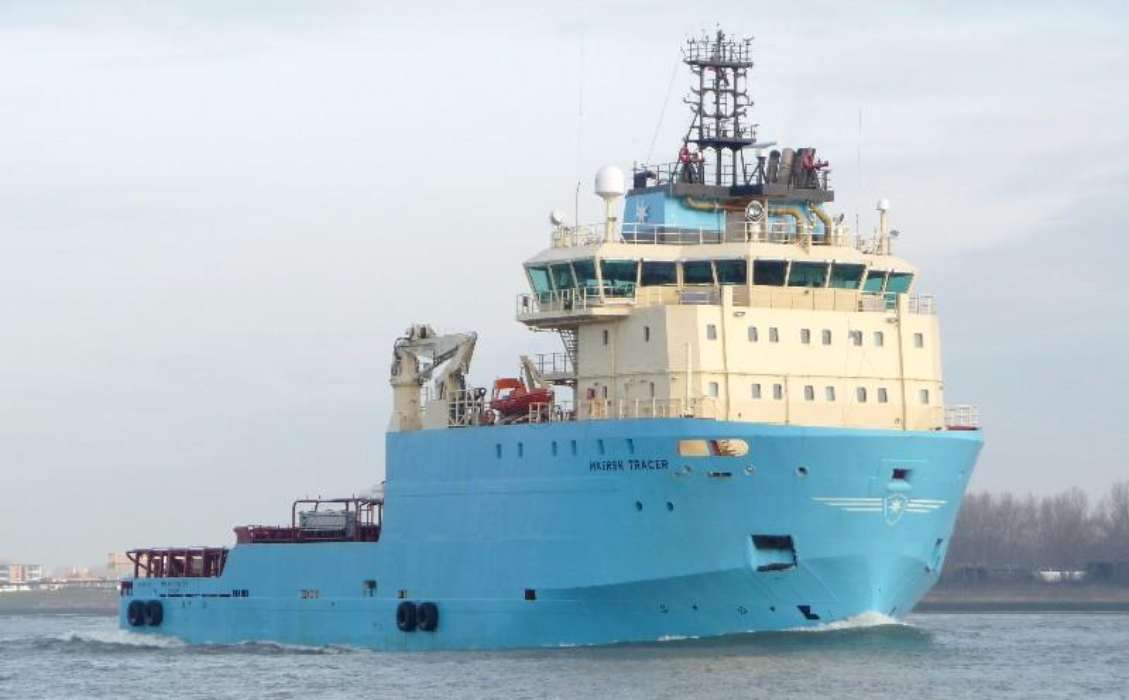



The arrival of the French-flagged research vessel Abeille Marengo at the port of Heraklion on Tuesday, October 27, has brought the strategically important Greece–Cyprus electricity interconnection project back into the geopolitical spotlight.
The vessel, which sailed from Italy, is expected to conduct specialized underwater surveys along the proposed route of the Great Sea Interconnector (GSI), an ambitious electricity infrastructure project designed to connect Cyprus with the European power grid through Greece.
For now, however, the ship remains in port, awaiting the official issuance of a NAVTEX maritime notice, which will define the areas where the planned operations can take place.
Although primarily technical, the next phase carries considerable geopolitical significance.
The project has become intertwined with competing maritime claims in the Eastern Mediterranean, particularly those advanced by Turkey, and with broader questions surrounding European energy security and regional strategic influence.
A Critical NAVTEX Decision in the Eastern Mediterranean
The forthcoming NAVTEX represents the next operational milestone for the electricity interconnection project.
It will identify the maritime areas designated for the surveys and provide essential navigational information to vessels operating nearby.
Yet the implications extend beyond routine maritime procedures.
Turkey has repeatedly challenged aspects of Greek and Cypriot maritime jurisdiction in the Eastern Mediterranean, creating uncertainty surrounding energy exploration and infrastructure development.
The Great Sea Interconnector has consequently emerged as a test of whether strategically important European energy projects can proceed without becoming entangled in regional disputes.
For Athens, the challenge is to ensure that the project advances while maintaining its commitment to international law and avoiding unnecessary escalation.
The presence of the Abeille Marengo demonstrates operational preparations are moving forward, but it does not yet mean that underwater surveys have begun.
The decisive moment will come when the vessel receives the necessary maritime clearance and proceeds toward the designated survey areas.
Greek Navy to Receive 72-Hour Advance Notification
According to the operational requirements outlined in the relevant request, the Abeille Marengo must notify the competent Greek naval authorities at least 72 hours before beginning its survey operations.
The notification procedure covers the Hellenic Navy Hydrographic Service, the Submarine Command and the Naval Aviation Command.
Daily updates will also be required throughout the survey period.
These communications must include precise geographical coordinates, descriptions of the planned activities, safety requirements and any additional information necessary to ensure safe navigation.
Local port authorities and vessels transiting the area will also receive relevant notifications.
Other ships will be required to maintain a minimum safety distance of one nautical mile from the research vessels.
According to the information reported, the operations are expected to take place under discreet monitoring by the Hellenic Coast Guard and units of the Hellenic Navy.
Such monitoring would be consistent with maritime safety and surveillance procedures and should not, by itself, be interpreted as evidence of an imminent military confrontation.
Nevertheless, the security arrangements illustrate the sensitivity surrounding the project.
French Involvement Adds a European Dimension
The participation of French companies and a French-flagged vessel reinforces the project’s wider European character.
French cable manufacturer Nexans is responsible for the construction and installation of the submarine electricity cable.
The underwater survey operations have been assigned to Italy’s Next Geosolutions Europe SpA, a member of the Marnavi maritime group specializing in offshore geophysical and geotechnical investigations.
The involvement of major European contractors underlines the importance of the interconnector beyond bilateral Greek–Cypriot relations.
The project forms part of a broader effort to strengthen electricity connectivity, diversify energy infrastructure and reduce Cyprus’s isolation from interconnected European electricity markets.
However, the presence of a French-flagged vessel does not automatically imply French military involvement or special security guarantees.
Its immediate significance remains operational, commercial and strategic.
Mapping the Seabed from Crete to Cyprus
The planned surveys will follow the proposed cable route from the Korakia coastal area, near Heraklion in northern Crete, toward Cyprus.
Their principal objective is to produce a detailed picture of the seabed and determine the safest and most technically suitable route for the submarine cables.
The research will examine geological formations, underwater slopes, seabed conditions and potential obstacles that could affect installation or long-term cable protection.
Specialized equipment will include multibeam echo sounders, side-scan sonar, magnetometers and underwater video systems.
Geotechnical sampling, penetration tests and seabed drilling are also planned.
Some investigations will be conducted in waters reaching depths of approximately 700 metres, while the broader cable route presents additional engineering challenges associated with the complex underwater geography of the Eastern Mediterranean.
These investigations are essential before cable-laying operations can proceed.
They are intended to reduce technical uncertainty, identify geological risks and support the final engineering design.
Why the French Vessel Required Special Authorization
The use of the Abeille Marengo required an additional exceptional authorization from the competent Greek maritime authorities because the vessel operates under the French flag.
According to the relevant documentation, the authorization was requested because of the specialized technical requirements of the surveys and the lack of available Greek-flagged vessels with comparable capabilities during the relevant period.
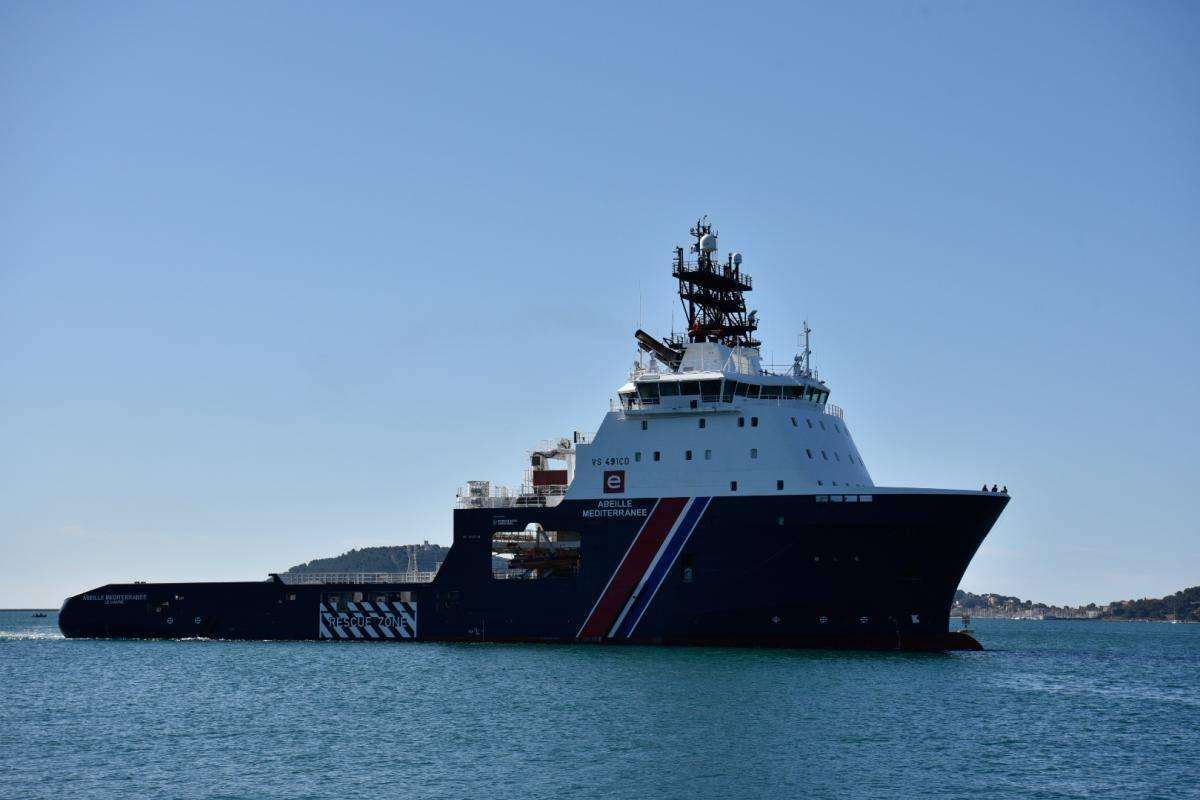
The Abeille Marengo measures approximately 73.2 metres in length and was built in Norway in 2009.
Its specialized offshore equipment makes it suitable for complex marine research operations.
The decision to deploy the vessel reflects the demanding technical characteristics of the interconnection project, particularly the need to investigate deep-water routes and challenging seabed formations.
Why the Great Sea Interconnector Matters to Europe
The Great Sea Interconnector is more than an electricity cable.
It represents a strategic infrastructure investment intended to connect Cyprus to the interconnected European electricity system through Greece.
Cyprus remains isolated from other countries’ electricity grids, making the project particularly important for its long-term energy security.
A completed interconnection could support greater integration of renewable energy, facilitate electricity exchanges and strengthen the resilience of the Cypriot power system.
For Greece, the project would reinforce its position as an energy gateway between the Eastern Mediterranean and continental Europe.
For the European Union, it would advance the broader objective of developing a more interconnected and flexible electricity market.
The potential benefits are significant, but the project continues to face financial, regulatory, engineering and geopolitical challenges.
Its successful implementation will depend not only on technical progress but also on sustained political coordination and commercial viability.
Turkey, Maritime Claims and the Strategic Stakes
The geopolitical sensitivity surrounding the project stems partly from Turkey’s longstanding maritime claims in the Eastern Mediterranean.
Ankara has disputed Greek and Cypriot positions concerning maritime jurisdiction and has previously raised objections to activities associated with regional energy infrastructure.
The proposed electricity route therefore intersects with a wider debate over maritime rights, international law and the balance of influence in the region.
From Athens’s perspective, maintaining the ability to pursue lawful infrastructure activities is an important element of its regional strategy.
At the same time, Greek diplomacy has sought to prevent disagreements over maritime jurisdiction from developing into uncontrolled crises.
The arrival of the Abeille Marengo does not establish that Turkey has issued a new objection to these specific operations.
Nevertheless, the next phase of the project will be closely watched for any diplomatic or operational response from Ankara.
The distinction is important: a potential source of geopolitical friction is not the same as a confirmed new confrontation.
A Strategic Test for Athens and Nicosia
The latest developments come at a sensitive moment for Greece and Cyprus.
Both governments have strong strategic reasons to support the interconnector, but its implementation requires coordination on financing, regulatory arrangements, technical scheduling and maritime operations.
For Cyprus, the project offers the prospect of ending its electricity isolation.
For Greece, it strengthens its role in regional energy networks and reinforces its strategic relationship with Nicosia.
The project also highlights a broader European challenge: translating ambitious energy connectivity plans into operational infrastructure in regions affected by geopolitical competition.
That challenge has become particularly relevant as the Eastern Mediterranean assumes greater importance in European energy and security discussions.
The arrival of the French vessel signals that technical preparations remain active, but the next steps will determine whether this progress can translate into sustained offshore operations.
What Happens Next?
Three developments will be particularly important in the coming days.
First, the issuance of the NAVTEX. This will establish the maritime framework for the planned survey activities and provide the first concrete indication of the operational timetable.
Second, the deployment of the research vessel. The Abeille Marengo’s departure from Heraklion toward the designated survey areas will mark a more substantive stage in the project’s technical implementation.
Third, the regional response. Any official reaction from Turkey, alongside the positions adopted by Athens and Nicosia, will help determine whether the operations proceed in a relatively stable diplomatic environment.
For now, the vessel’s arrival represents an important preparatory development rather than the completion of a major project milestone.
Yet its significance should not be underestimated.
The Great Sea Interconnector sits at the intersection of European energy security, Greek–Cypriot cooperation and Eastern Mediterranean geopolitics.
The Abeille Marengo has reached Crete. The real test will begin when it leaves the harbour and heads into the waters where engineering ambitions meet competing strategic interests.
Whether the next phase unfolds smoothly will provide an important indication of the project’s prospects — and of the wider regional environment in which Europe’s energy infrastructure ambitions must advance.
Source: pagenews.gr
Διαβάστε όλες τις τελευταίες Ειδήσεις από την Ελλάδα και τον Κόσμο