Israel on a Knife Edge: Netanyahu’s Fight for 61 Seats Under Iran’s Shadow
 ΧΡΟΝΟΣ ΑΝΑΓΝΩΣΗΣ 8 '
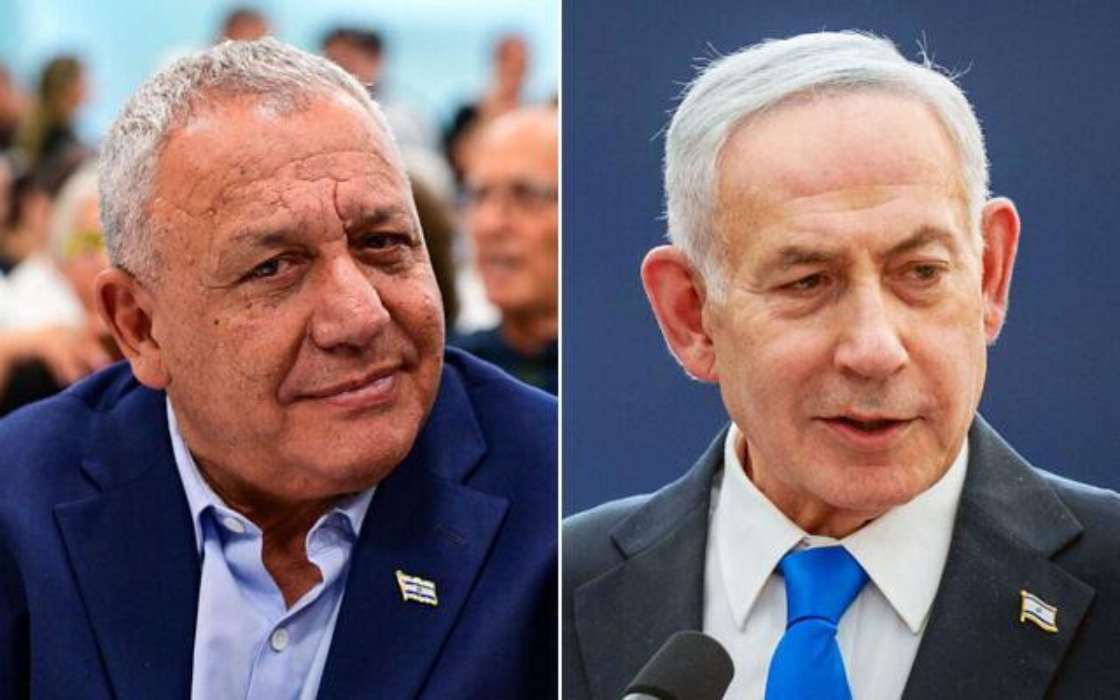
Πηγή Φωτογραφίας: AP Photo//Israel on a Knife Edge: Netanyahu’s Fight for 61 Seats Under Iran’s Shadow



“We cannot gamble with our security.”
With those words, far-right Finance Minister Bezalel Smotrich cast his ballot, summing up the governing camp’s central appeal: security, Jewish identity and continuity.
Across the political divide, Netanyahu’s opponents are demanding accountability for the October 7, 2023 security failures, stronger institutions and a different course after years of war.
Israelis are voting on Tuesday, October 27, to elect the 120 members of the Knesset, in the country’s first national election since the Hamas-led attacks and the subsequent war in Gaza. Approximately 7.3 million citizens are eligible to vote. Most polling stations close at 10pm local time, and parties must receive at least 3.25% of valid votes to enter parliament.
The decisive number, however, is 61 seats. The final pre-election surveys suggest that reaching that majority could prove difficult for both Benjamin Netanyahu and his challengers.
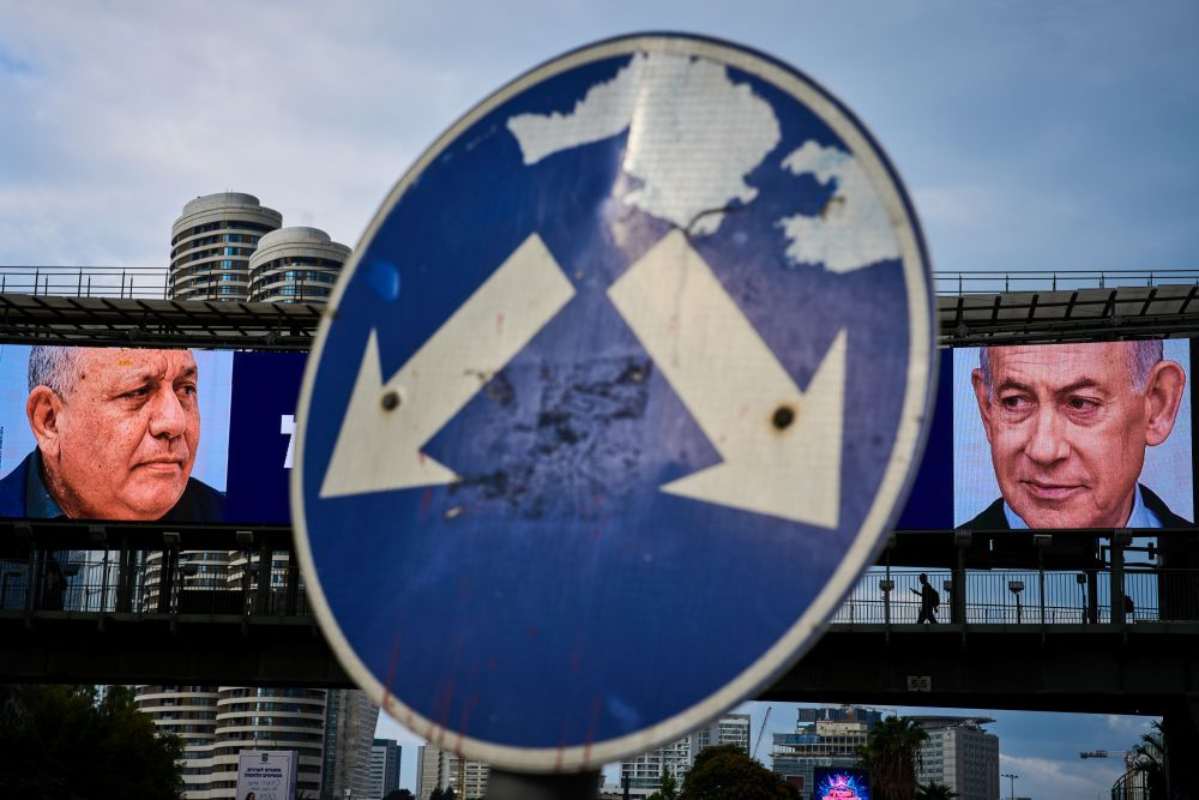
Polls Point to Deadlock, Not a Guaranteed Winner
The final pre-election survey commissioned by Zman Yisrael, The Times of Israel’s sister publication, projected 51 seats for Netanyahu’s camp and 51 for the opposing Jewish-led bloc.
Arab-led parties were projected to secure 14 seats, while the nonaligned Reservists party was forecast to win four.
A different distribution, but a similar coalition problem, emerged from the final Channel 13 survey, reported on October 24:
54 seats for the change bloc, 50 for Netanyahu’s allies and 16 for Arab-led parties.
That poll projected 22 seats for Gadi Eisenkot’s Yashar, 19 for Likud, 14 for Naftali Bennett’s B’Yachad and 10 for the Democrats.
These are pre-election seat projections, not results or exit polls. Their differences matter, but their central message is consistent: winning the largest number of seats may still leave a party unable to form a government.
Turnout and the performance of smaller parties near the electoral threshold could significantly alter the final arithmetic.
The Former General Challenging Netanyahu
Gadi Eisenkot, the former Israeli military chief and leader of Yashar, has emerged as the principal challenger. On election morning, he posted footage of his appearance in Ashdod.
The opposition bloc has not, however, announced an agreed leader for a future coalition government.
Eisenkot has framed the campaign around a fundamental question:
“What kind of leadership do people want?”
His platform emphasises accountability for security failures, national cohesion and a different relationship with state institutions. It does not amount to acceptance of Palestinian demands for statehood. He has declared:
“No Palestinian state will be established under the government we form.”
That distinction is central to the election’s geopolitical significance. A change of prime minister could alter Israel’s management of security and relations with its partners without producing an immediate resolution of the Palestinian question.
Smotrich: Security, Settlements and Judicial Change
Casting his vote, Smotrich set out priorities extending beyond Netanyahu’s political survival:
“On the election day, we should all be keen on the future of Israel. We should all go out and vote. We cannot gamble with our security.”
According to Al Jazeera’s live coverage, he added:
“We are adamant to continue to bolster our security, settlement plans and the Jewish identity, change the judiciary, and above all to Judaize Hebron.”
His remarks underline the stakes for the occupied West Bank. Another term for the current coalition would give its far-right partners an opportunity to press ahead with their agenda.
The contest therefore concerns the character of the state as well as its leadership: relations between the government and judiciary, policy in the occupied territories and the influence of coalition partners.
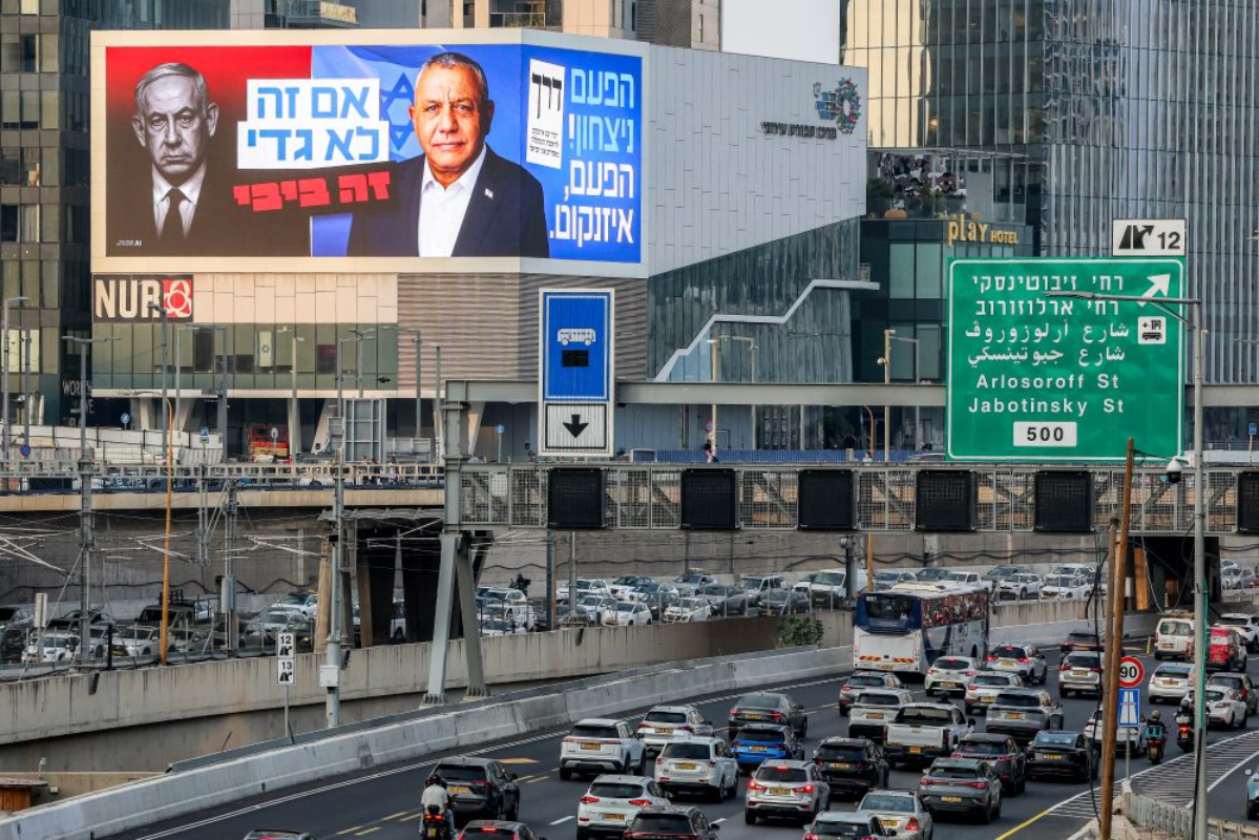
Ben-Gvir: “We Shall Win”
National Security Minister Itamar Ben-Gvir voted in Kiryat Arba, an Israeli settlement in the occupied West Bank, and expressed confidence in his camp’s prospects.
“We shall win,” he said.
He also sought to mobilise right-wing voters by invoking the prospect of Arab-party influence over an opposition government, referring to Mansour Abbas, leader of Ra’am.
“That’s why everyone must go out and vote,” he said.
“A strong, right-wing government means a strong state of Israel.”
His assertion about Abbas’s potential role was a campaign argument. No announced agreement provides for the Ra’am leader to head a future government.
Arab Seats: Numerically Critical, Politically Contentious
Polling suggests that Arab-led parties could hold a decisive number of seats. Yet coalition arithmetic collides with campaign pledges ruling out certain partnerships.
If neither main bloc reaches 61, negotiations could turn on participation in government, external support or other arrangements allowing a coalition to survive parliamentary votes.
This is the opposition’s most difficult challenge: turning agreement on removing Netanyahu into a workable governing majority.
Palestinian citizens of Israel participate in the election. Palestinians in Gaza and the occupied West Bank do not vote for the Knesset, although Israeli government decisions directly affect their lives.
A Deeper Critique: Changing the Leader Is Not Enough
Sociologist Yehouda Shenhav-Shahrabani, speaking to Al Jazeera, offered a broader challenge to the election’s framing.
“None of the leaders who present themselves as an alternative to Netanyahu can genuinely be described as left-wing,” he argued.
He described the Israeli political system as operating within a “racist framework of Jewish supremacy”, attributing current developments to deeper ideological foundations.
These are the analyst’s political and sociological assessments. His intervention highlights an important distinction: opposition to Netanyahu does not necessarily translate into support for Palestinian national rights.
Iran Overshadows the Final Campaign Hours
The confrontation with Iran intensified the political atmosphere before voting began.
The Associated Press reported controversy over a Channel 12 account of disagreement between Netanyahu and military leaders concerning an action that could trigger renewed escalation. Netanyahu’s office denied the report.
Defence Minister Israel Katz stated:
“There has been no intention by Israel of initiating an attack on Iran before the elections in Israel.”
He added that Israel would respond if attacked.
The dispute illustrates how closely domestic political competition and regional security are intertwined. It does not establish that a new military operation has been authorised.
Three Paths After the Count
First: Netanyahu finds a route to a majority.
That would require a stronger result than the cited polls suggest or an expansion of his parliamentary support after the election. The performance of smaller allies would be crucial.
Second: The opposition forms a government.
Its parties would need to agree on a prime minister, policy priorities and a viable route to 61 seats. Their shared opposition to Netanyahu would have to become a functioning governing programme.
Third: Prolonged deadlock.
Negotiations fail to produce a majority, increasing the prospect of another election while Netanyahu remains caretaker prime minister pending a successor government.
Ballots Deliver Seats. Agreements Deliver a Government.
For the Middle East, the result will determine who manages Israel’s next decisions on Gaza, the West Bank and Iran, as well as its relationship with Washington.
For Greece and Cyprus, the significance lies in regional cooperation, Eastern Mediterranean security and the avoidance of a wider conflict.
Finishing first will deliver an important political message. The decisive answer on power will emerge when a leader demonstrates the support of 61 lawmakers.
Until then, the competing declarations capture the divide. Ben-Gvir calls for “a strong, right-wing government.” Eisenkot asks “what kind of leadership do people want?”
Voters are deciding who leads the field. Coalition negotiations may ultimately decide who governs.
Source: pagenews.gr
Διαβάστε όλες τις τελευταίες Ειδήσεις από την Ελλάδα και τον Κόσμο