Saudi Arabia’s Oil Escape Route Is Hit — New Shock Looms for Brent and Tanker Rates
 ΧΡΟΝΟΣ ΑΝΑΓΝΩΣΗΣ 8 '
Πηγή Φωτογραφίας: AP Photo//Saudi Arabia’s Oil Escape Route Is Hit — New Shock Looms for Brent and Tanker Rates



Saudi Arabia has temporarily shut one of the most strategically important pieces of energy infrastructure in the Middle East, raising fresh concerns over global oil supplies, tanker rates and the security of the world’s key maritime chokepoints.
The kingdom suspended operations on its East–West Pipeline after multiple attacks on Thursday in the Riyadh and Medina regions, according to the Saudi Energy Ministry.
The shutdown was ordered as a precaution while emergency teams assess the integrity of the pipeline. The attacks caused injuries and damage, while Saudi authorities have yet to say when full operations will resume.
But this is not simply another attack on an oil facility.
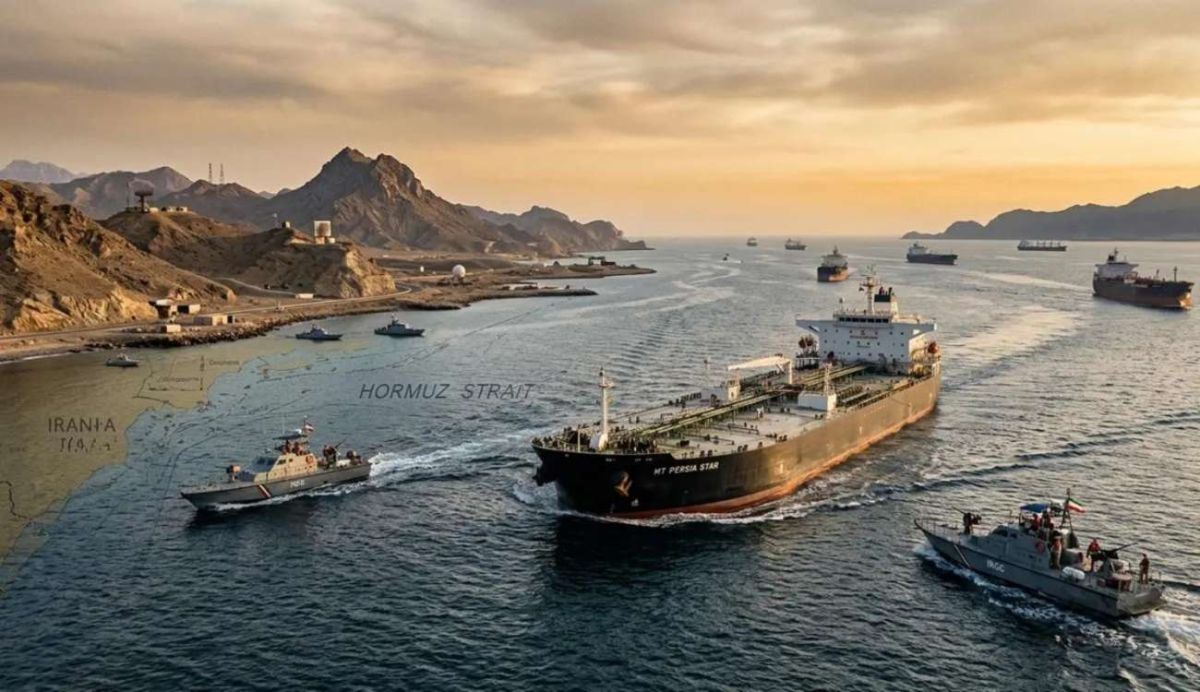
The East–West Pipeline is Saudi Arabia’s principal escape route from the Strait of Hormuz — the infrastructure designed to keep millions of barrels flowing when shipping through the Gulf becomes dangerous or impossible.
Now that escape route itself has been hit.
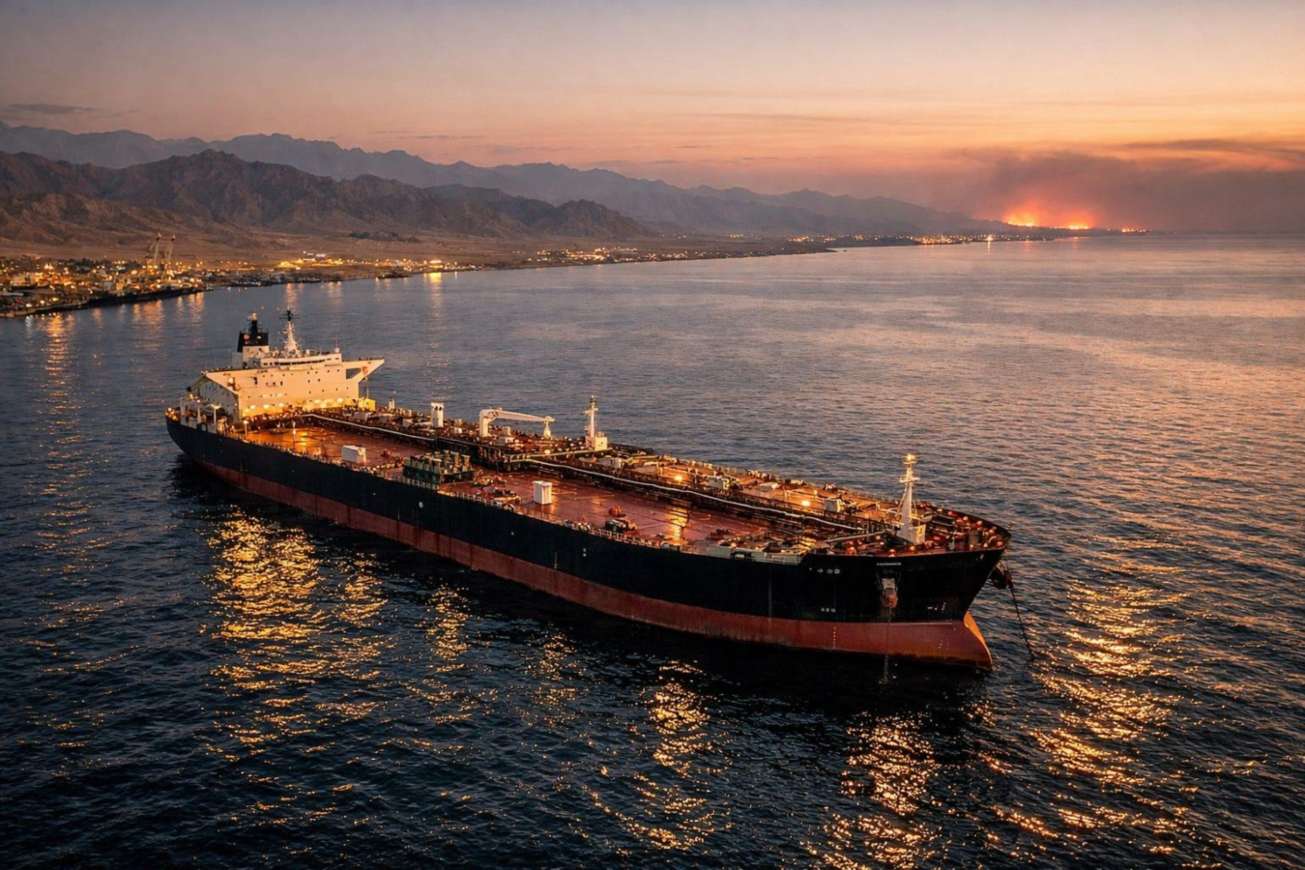
Saudi Arabia: Drones were launched from Iraq
Riyadh has officially said that several drones used in the attacks were launched from Iraqi territory.
Saudi Arabia has so far decided against military retaliation following a request from Baghdad to allow the Iraqi government to take measures against those responsible. The kingdom nevertheless warned that it reserves the right to act to protect its territory and critical infrastructure.
“The Kingdom affirms that it reserves the right to take all necessary measures to protect its sovereignty, security, facilities, citizens and residents,” the Saudi Foreign Ministry said.
The Iraqi government has condemned the attack and launched an investigation. On Saturday, Baghdad said its investigation had confirmed that the latest drones originated from Iraq and dismissed a military commander responsible for operations in Maysan province.
The incident therefore carries a geopolitical risk beyond the immediate disruption to Saudi oil exports: the possibility that the regional conflict could increasingly spill into Iraq, home to powerful Iran-aligned armed groups.
The 1,200-kilometre bypass around Hormuz
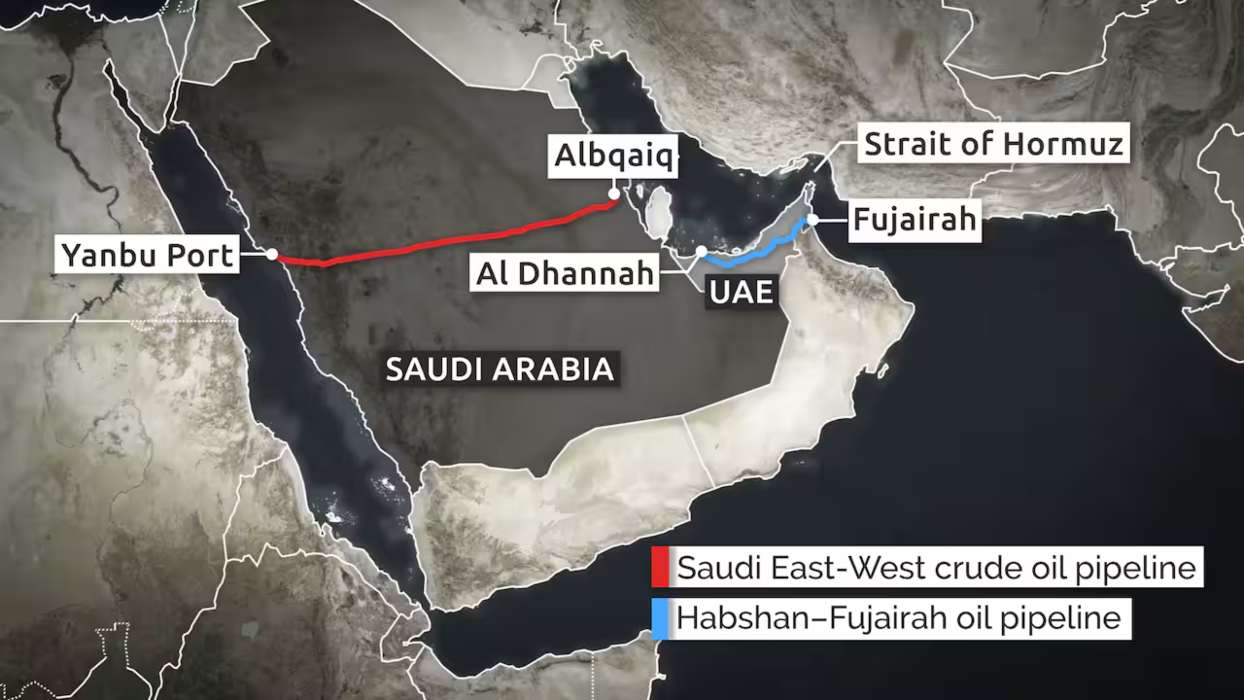
The East–West Pipeline, also known as Petroline, stretches roughly 1,200 kilometres across Saudi Arabia, linking the kingdom’s oil-producing heartland near the Gulf with the Red Sea port of Yanbu.
Its strategic purpose is straightforward.
Saudi crude can travel west across the kingdom and be loaded onto tankers in the Red Sea, avoiding the Strait of Hormuz altogether.
That capability has become extraordinarily valuable during the current Middle East conflict.
With Iran restricting traffic through Hormuz, Saudi Arabia has dramatically increased its reliance on the western route. By early June, crude exports from the Red Sea terminal had more than doubled to above 5 million barrels per day, according to figures cited by the International Energy Agency.
The pipeline itself has a capacity of around 7 million barrels per day, making it one of the most important pieces of energy-security infrastructure anywhere in the Gulf.
The nightmare scenario: Hormuz in the east, Bab el-Mandeb in the west
The attack exposes a deeper vulnerability in Saudi Arabia’s energy geography.
The kingdom may be able to bypass Hormuz by sending crude west to Yanbu.
But once tankers leave Yanbu, another strategic chokepoint lies ahead: the Red Sea and Bab el-Mandeb.
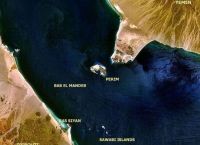
Iran-aligned Houthi forces have simultaneously made major territorial gains in Yemen and captured the strategic island of Perim in the Bab el-Mandeb Strait, increasing concerns over the security of the shipping corridor connecting the Red Sea with the Gulf of Aden.
The result is an increasingly dangerous map for global energy flows.
Oil moving east faces the Hormuz problem.
Oil redirected west depends on the East–West Pipeline.
And crude loaded at Yanbu must then navigate a Red Sea corridor increasingly exposed to Houthi military pressure.
For energy markets, this is becoming a two-chokepoint crisis.
Tanker rates could be the next shock
The impact may soon extend well beyond crude prices.
Any sustained disruption of Saudi Arabia’s pipeline network increases reliance on maritime transportation at precisely the moment when shipping through the Middle East is becoming more dangerous and expensive.
Longer voyages, vessel diversions and greater demand for available tanker capacity can push freight rates higher.
War-risk insurance premiums are another critical variable.
If shipowners and insurers conclude that the Red Sea, Bab el-Mandeb or Gulf routes carry significantly greater military risk, the cost of moving every barrel rises — even if the physical supply of crude remains available.
That means the next phase of the energy shock could increasingly be visible not only in Brent, but in VLCC and tanker freight rates, insurance premiums and voyage times.
Brent above $104 as the geopolitical premium returns
Markets are already reacting.
Brent crude ended Friday at $104.56 a barrel, gaining more than 8% over the week as traders reassessed the vulnerability of Middle Eastern supply routes.
The pipeline attack added another layer of risk to an oil market already dealing with restricted Hormuz traffic and escalating instability around the Red Sea.
The critical question is therefore changing.
It is no longer simply: How much oil can the Gulf produce?
It is increasingly: How much of that oil can safely reach the global market?
That distinction matters enormously.
A barrel sitting in Saudi Arabia does little to ease global supply pressure if the infrastructure and shipping routes required to move it are repeatedly disrupted.
Riyadh faces a strategic dilemma
Saudi Arabia built and expanded the East–West system precisely to reduce its dependence on Hormuz.
The logic was to create redundancy: if the eastern maritime gateway was threatened, crude could move across the kingdom and leave through the Red Sea.
The current conflict is testing that strategy from both ends.
The pipeline itself has now been attacked, while the security environment around its western maritime outlet is deteriorating.
This leaves Riyadh facing a difficult strategic choice: restore and protect the bypass while avoiding a broader military escalation with Iran-aligned groups in Iraq and Yemen.
Its decision not to retaliate immediately against the attack from Iraqi territory suggests the kingdom is, for now, attempting to prevent another front from opening.
But that restraint may be tested if attacks continue.
The oil market is losing its safety valves
This is ultimately why the East–West Pipeline attack matters far beyond Saudi Arabia.
Energy markets can normally absorb a disruption when alternative routes remain available.
Hormuz becomes dangerous? Redirect barrels to the Red Sea.
One terminal is disrupted? Use another.
Shipping becomes expensive? Increase pipeline flows.
The danger emerges when several alternatives begin failing simultaneously.
With Hormuz under severe pressure, the Saudi bypass temporarily shut and Houthi forces strengthening their position around Bab el-Mandeb, the Middle East’s energy map is losing precisely those safety valves designed to prevent a regional crisis from becoming a global supply shock.
The market is therefore no longer worried only about Hormuz.
It is worried that the escape route around Hormuz is becoming vulnerable too.
Source: pagenews.gr
Διαβάστε όλες τις τελευταίες Ειδήσεις από την Ελλάδα και τον Κόσμο